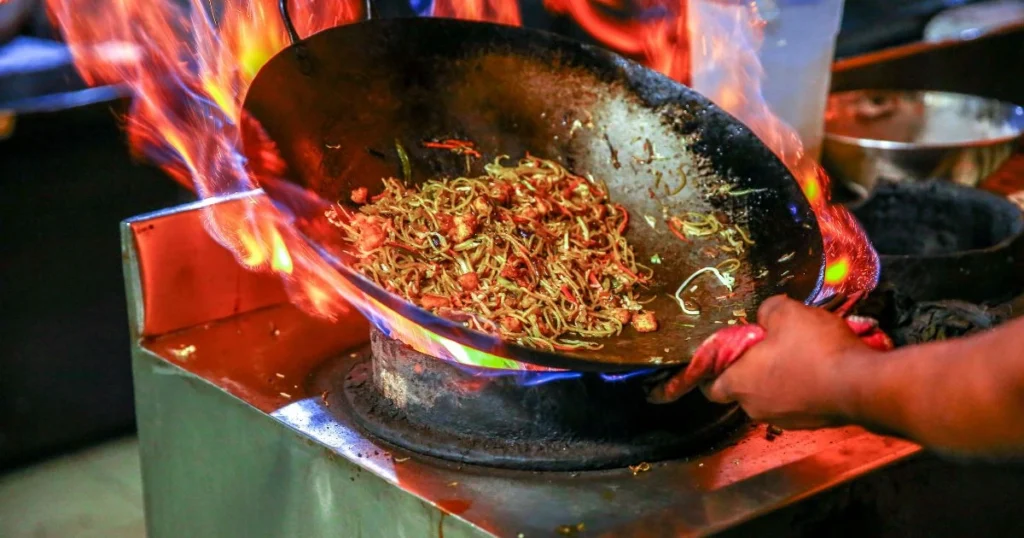
There’s a certain magic that happens when fresh vegetables, tender protein, and a rich savory sauce come together in a hot pan. The quick sizzle, the aroma of garlic and ginger, and the colorful ingredients moving together create a meal that feels exciting yet surprisingly simple.
A classic Asian stir fry recipe is one of the best examples of how a few everyday ingredients can become a flavorful homemade dinner. Whether you are trying to prepare a quick meal after a busy day, reduce your dependence on takeout, or learn a new cooking technique, stir fry gives you endless possibilities.
The best part is that you don’t need complicated equipment or rare ingredients. With a good combination of fresh vegetables, your favorite protein, and a balanced sauce, you can create a restaurant-style dish right in your own kitchen.
In this guide, you’ll learn how to make a classic Asian stir fry recipe from scratch, discover the essential ingredients, understand the cooking techniques that create the perfect texture, and learn helpful tips for making every stir fry taste better.
What Is an Asian Stir Fry Recipe?
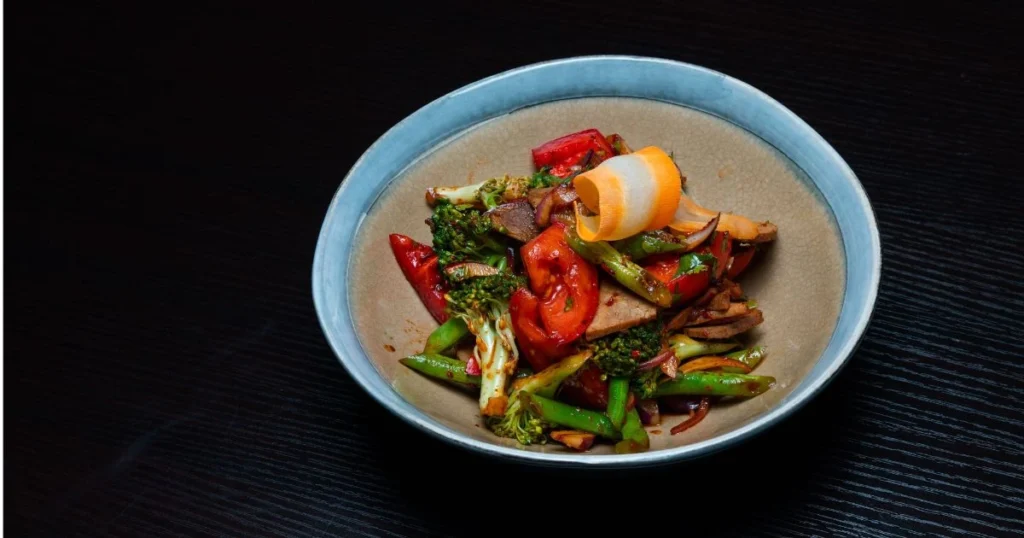
An Asian stir fry recipe is a cooking method where small pieces of meat, seafood, tofu, or vegetables are quickly cooked over high heat while being constantly stirred. This technique creates a unique combination of textures: crisp vegetables, tender protein, and a flavorful sauce that coats every ingredient.
Stir frying is strongly associated with Chinese cuisine, where the traditional wok became an essential cooking tool. The curved shape of a wok allows ingredients to cook quickly while maintaining high heat.
Unlike slow-cooked dishes, stir fry focuses on:
- Speed
- Fresh ingredients
- High temperatures
- Balanced flavors
- Crisp textures
The goal is not to overcook ingredients but to preserve their natural taste and texture.
The Five Flavor Elements of Stir Fry Cooking
A successful stir fry usually balances several flavor profiles:
Sweet
Adds a gentle contrast to savory ingredients.
Common sources:
- Honey
- Brown sugar
- Hoisin sauce
Salty
Creates the foundation of flavor.
Common sources:
- Soy sauce
- Tamari
- Oyster sauce
Sour
Brightens the dish.
Common sources:
- Rice vinegar
- Lime juice
Spicy
Adds heat and complexity.
Common sources:
- Chili flakes
- Sriracha
- Fresh peppers
Umami
Creates a deep savory taste.
Common sources:
- Mushrooms
- Soy sauce
- Oyster sauce
When these flavors work together, a simple stir fry becomes a satisfying meal.
Why You’ll Love Making This Asian Stir Fry Recipe at Home
A Quick Weeknight Dinner Solution
One of the biggest advantages of stir fry is speed.
Most recipes can be prepared in:
- 15 minutes of preparation
- 10–15 minutes of cooking
This makes it perfect for busy evenings when you want a homemade meal without spending hours in the kitchen.
Completely Customizable
A homemade stir fry allows you to create endless variations.
You can easily change:
Protein
Choose:
- Chicken
- Beef
- Shrimp
- Pork
- Tofu
- Tempeh
Vegetables
Use:
- Broccoli
- Carrots
- Mushrooms
- Peppers
- Cabbage
- Zucchini
Sauce
Adjust:
- Sweetness
- Spice level
- Saltiness
- Thickness
This flexibility makes stir fry one of the easiest meals to adapt to your preferences.
Healthier Than Many Takeout Options
Making your own Asian stir fry recipe gives you control over every ingredient.
Benefits include:
- More vegetables
- Less added sugar
- Adjustable sodium levels
- Higher-quality proteins
- Fresh ingredients
You can create a balanced meal without sacrificing flavor.
Essential Ingredients for a Classic Asian Stir Fry Recipe
The secret to a great stir fry starts with choosing the right ingredients.
Protein Options
Protein provides structure and makes your meal more filling.
Popular choices include:
| Protein | Cooking Tips |
|---|---|
| Chicken breast | Slice thinly for quick cooking |
| Chicken thighs | More juicy and flavorful |
| Beef strips | Use tender cuts and slice against the grain |
| Shrimp | Cook briefly to prevent a rubbery texture. |
| Tofu | Press before cooking for better texture |
| Pork | Thin slices work best |
Best Vegetables for Stir Fry
Fresh vegetables create color, texture, and nutrition.
| Vegetable | Benefits |
|---|---|
| Bell peppers | Adds sweetness and crunch |
| Broccoli | Provides texture and nutrients |
| Carrots | Natural sweetness |
| Mushrooms | Adds a deep, savory flavor |
| Snow peas | Fresh crisp texture |
| Bok choy | Traditional Asian ingredient |
| Cabbage | Adds volume and crunch |
| Green onions | Fresh finishing flavor |
Essential Stir Fry Sauce Ingredients
A great sauce brings everything together.
| Ingredient | Purpose |
|---|---|
| Soy sauce | Adds salty umami flavor |
| Sesame oil | Provides nutty aroma |
| Garlic | Creates savory depth |
| Ginger | Adds freshness and warmth |
| Rice vinegar | Balances flavors |
| Honey | Adds sweetness |
| Chili sauce | Adds a spicy kick |
| Cornstarch | Thickens the sauce |
Ingredients for a Classic Asian Stir Fry Recipe
Before cooking, prepare everything because stir fry moves quickly once the heat begins.
| Ingredient | Amount |
|---|---|
| Chicken or protein of choice | 1 pound |
| Mixed vegetables | 4 cups |
| Garlic cloves | 3 cloves |
| Fresh ginger | 1 tablespoon |
| Soy sauce | ¼ cup |
| Sesame oil | 1 tablespoon |
| Rice vinegar | 1 tablespoon |
| Honey or brown sugar | 1 tablespoon |
| Cornstarch | 1 tablespoon |
| Cooking oil | 2 tablespoons |
How to Prepare an Asian Stir Fry Recipe Step by Step
Step 1: Prepare All Ingredients Before Cooking
Stir frying happens quickly, so preparation is essential.
Before turning on the stove:
- Slice your protein into even pieces.
- Chop all vegetables.
- Mix your sauce ingredients.
- Prepare rice or noodles for serving.
This preparation method is called “mise en place,” which means having everything ready before cooking.
Step 2: Cook the Protein First
Heat your pan until it is very hot.
Add oil, then cook your protein in a single layer.
Important tips:
- Do not overcrowd the pan.
- Allow the meat to brown.
- Remove cooked protein before adding vegetables.
This prevents steaming and creates better flavor.
Step 3: Stir Fry the Vegetables
Vegetables should remain slightly crisp.
Add harder vegetables first:
- Carrots
- Broccoli
- Peppers
- Mushrooms
- Leafy greens
Cook until vegetables are tender but still have texture.
Step 4: Add the Sauce and Combine Everything
Return the protein to the pan and add your prepared sauce.
Toss everything together until:
- The sauce coats the ingredients.
- The flavors combine.
- The sauce slightly thickens.
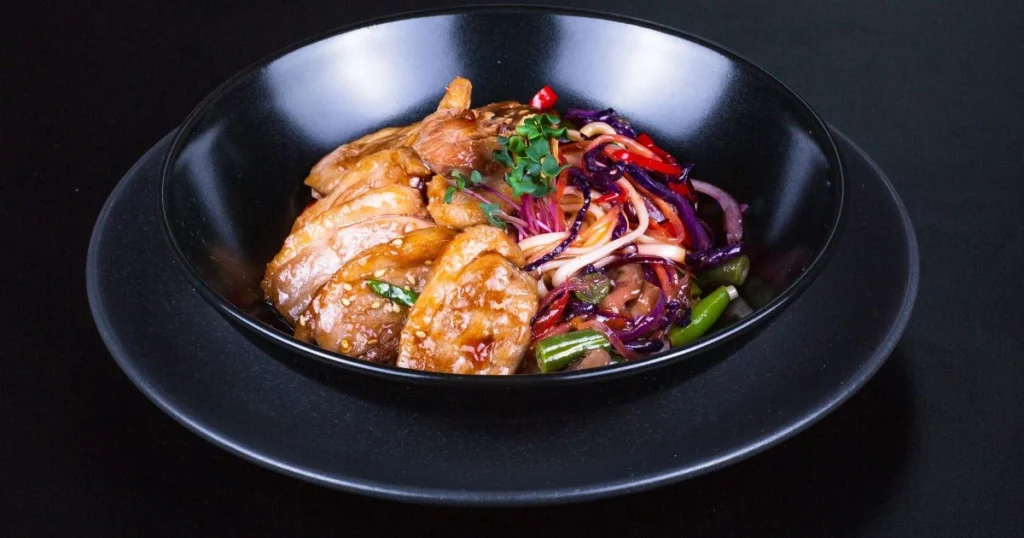
Your homemade Asian stir fry recipe is now ready to serve.
How to Make Homemade Restaurant-Style Asian Stir Fry Sauce
The sauce is the heart of any successful Asian stir fry recipe. Even simple ingredients like chicken and vegetables can become incredibly flavorful when coated with the right balance of savory, sweet, and aromatic flavors.
A great stir fry sauce should not overpower the ingredients. Instead, it should enhance the natural flavors while creating a glossy coating that brings everything together.
The Perfect Stir Fry Sauce Formula
A balanced homemade sauce usually includes five main components:
| Flavor Element | Ingredients | Purpose |
|---|---|---|
| Salty | Soy sauce, tamari | Creates a savory base |
| Sweet | Honey, brown sugar | Balances strong flavors |
| Sour | Rice vinegar, lime juice | Adds freshness |
| Aromatic | Garlic, ginger | Builds depth |
| Thickening | Cornstarch slurry | Creates a silky texture |
Simple Homemade Stir Fry Sauce Recipe
| Ingredient | Amount |
|---|---|
| Soy sauce | ¼ cup |
| Rice vinegar | 2 tablespoons |
| Honey | 1 tablespoon |
| Sesame oil | 1 teaspoon |
| Garlic | 2 minced cloves |
| Fresh ginger | 1 teaspoon |
| Cornstarch | 1 tablespoon |
| Water | 3 tablespoons |
How to Prepare the Sauce
- Add all ingredients to a small bowl.
- Whisk until combined.
- Add the sauce during the final cooking stage.
- Allow it to simmer briefly until slightly thickened.
You can prepare this sauce ahead of time and store it in the refrigerator for several days.
Best Side Dishes to Serve with Asian Stir Fry
A delicious stir fry becomes even better when served with the right side dishes. The goal is to complement the bold flavors while creating a complete meal.
Steamed Rice
Rice remains one of the most traditional pairings.
Popular choices include:
- Jasmine rice
- White rice
- Brown rice
- Basmati rice
Rice absorbs the flavorful sauce and makes every bite satisfying.
Rice Noodles
For a lighter alternative, rice noodles provide a soft texture that pairs beautifully with stir fry sauces.
They work especially well with:
- Shrimp stir fry
- Vegetable stir fry
- Chicken stir fry
Cauliflower Rice
If you prefer a lower-carbohydrate option, cauliflower rice is a great substitute.
Benefits:
- Fewer carbohydrates
- More vegetables
- Light texture
Asian-Inspired Side Dishes
Other great options include:
- Cucumber salad
- Spring rolls
- Edamame
- Miso soup
- Steamed dumplings
Expert Tips for Perfect Asian Stir Fry Every Time
Creating restaurant-quality results depends on a few important techniques.
Use High Heat
High heat is essential for proper stir frying.
It helps you achieve:
- Better browning
- Crisp vegetables
- Smoky flavor
- Faster cooking
A low temperature often causes vegetables to release water and become soft instead of crisp.
Choose the Right Cooking Oil
Because stir fry uses high temperatures, choose oils with higher smoke points.
Good options include:
- Peanut oil
- Avocado oil
- Vegetable oil
- Canola oil
Avoid oils that burn easily at high temperatures.
Avoid Overcrowding the Pan
A common cooking mistake is overcrowding the pan with too many ingredients at once.
When the pan is overcrowded:
- Temperature drops.
- Ingredients steam instead of fry.
- Meat may not brown properly.
For the best results, cook protein and vegetables separately if necessary.
Cut Ingredients Properly
Uniform pieces cook more evenly.
Follow these tips:
- Slice meat thinly.
- Cut vegetables into similar sizes.
- Separate hard and soft vegetables.
Proper preparation creates better texture.
Common Mistakes When Making an Asian Stir Fry Recipe
Even simple recipes can go wrong without the right techniques.
Adding Sauce Too Early
Adding sauce before ingredients are properly cooked can make vegetables soggy.
The best approach:
- Cook protein.
- Cook vegetables.
- Add sauce at the end.
This keeps textures fresh.
Using Too Many Ingredients
A common mistake is adding every vegetable available.
Too many ingredients can:
- Create uneven cooking.
- Hide individual flavors.
- Make the dish watery.
A simple combination often creates the best results.
Cooking Everything at Once
Different ingredients require different cooking times.
For example:
- Carrots need more time.
- Spinach cooks quickly.
- Shrimp cooks within minutes.
Adding ingredients in stages creates better texture.
Not Preparing Ingredients First
Stir frying is fast, so stopping to chop vegetables during cooking can lead to overcooked ingredients.
Always prepare everything before heating your pan.
How to Store and Meal Prep Asian Stir Fry
One of the advantages of making a homemade Asian stir fry recipe is that it works well for meal preparation.
Refrigerator Storage
| Storage Method | Recommended Time |
|---|---|
| Airtight container | 3–4 days |
Let the stir fry cool completely before placing it in storage containers.
Keep rice separate if possible to maintain the best texture.
Freezing Stir Fry
Many stir fry meals freeze well.
Best choices for freezing:
- Beef stir fry
- Chicken stir fry
- Vegetable stir fry
For best results:
- Cool completely.
- Place into freezer-safe containers.
- Remove excess air.
- Label with the date.
Use within approximately 2–3 months for the best quality.
Reheating Instructions
Stovetop Method
The stovetop provides the best texture.
Steps:
- Heat a small amount of oil.
- Add stir fry.
- Warm over medium heat.
- Add a splash of water if needed.
Microwave Method
For convenience:
- Cover loosely.
- Heat in short intervals.
- Stir between intervals.
Asian Stir Fry Recipe: Frequently Asked Questions Answered
What makes an Asian stir fry recipe authentic?
A traditional Asian stir fry recipe focuses on high-heat cooking, fresh ingredients, balanced sauces, and quick preparation. The technique is just as important as the ingredients.
Authentic stir fry usually includes:
- Fresh vegetables
- Thinly sliced protein
- Aromatic ingredients
- A balanced sauce
- Proper high-temperature cooking
What vegetables are best for an Asian stir fry recipe?
The best vegetables are those that maintain texture while cooking quickly.
Great options include:
- Broccoli
- Bell peppers
- Carrots
- Mushrooms
- Bok choy
- Snow peas
- Cabbage
- Zucchini
Can I make an Asian stir fry recipe without a wok?
Yes. While a wok is traditional, a large skillet or cast iron pan works very well.
The most important factors are:
- High heat
- Enough cooking space
- Quick movement of ingredients
How do you thicken stir fry sauce?
The most common method is using a cornstarch slurry.
Simply mix:
- Cornstarch
- Cold water
Then add it near the end of cooking.
The sauce will become glossy and slightly thick.
Is an Asian stir fry recipe healthy?
Yes, especially when prepared at home.
Benefits include:
- High vegetable content
- Lean protein options
- Controlled ingredients
- Adjustable sodium and sugar levels
You can easily customize the recipe to match your nutritional goals.
Can I prepare Asian stir fry ahead of time?
Absolutely.
For meal preparation:
- Chop vegetables ahead.
- Prepare sauce in advance.
- Cook protein separately.
- Store portions in containers.
This makes busy weeknight dinners much easier.
Conclusion: Create Your Perfect Asian Stir Fry Recipe at Home
A homemade Asian stir fry recipe is proof that delicious meals do not need to be complicated. With fresh ingredients, a flavorful sauce, and the right cooking techniques, you can create a dish that rivals your favorite restaurant.
The key to success is preparation. Chop your ingredients before cooking, use high heat, balance your flavors, and avoid overcrowding your pan. Once you understand the basics, you can create countless variations using different proteins, vegetables, and sauces.
Whether you prefer chicken stir fry, beef stir fry, shrimp stir fry, or a completely vegetarian version, this versatile meal can fit any lifestyle.
Ready to Make Your Own Asian Stir Fry?
Bring restaurant-quality flavors into your kitchen today. Try this classic Asian stir fry recipe, customize it with your favorite ingredients, and discover how easy it is to create fresh, flavorful meals at home.
Save this recipe guide, share it with fellow food lovers, and start experimenting with new stir fry combinations that your entire family will enjoy.

