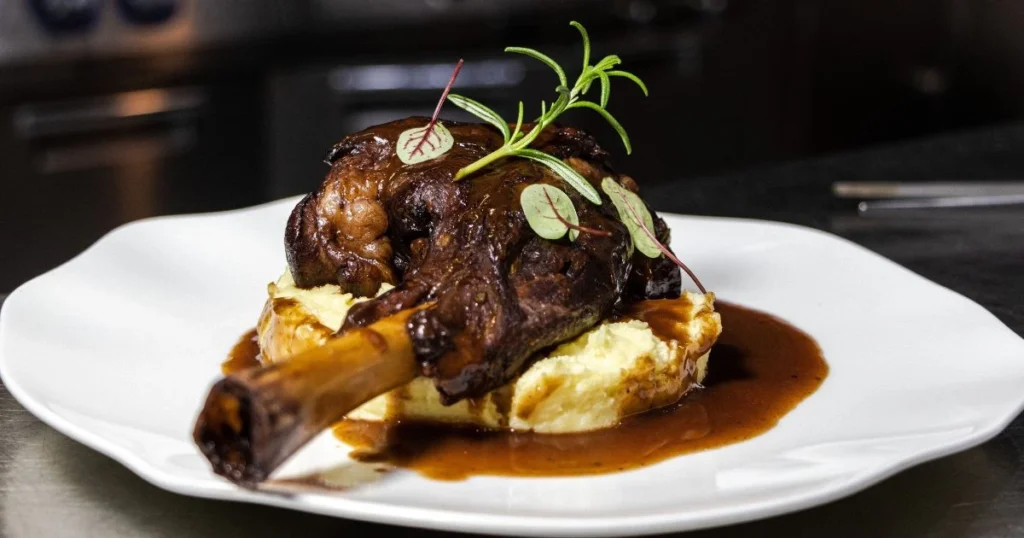
There’s something special about a meal that slowly fills your home with a rich, savory aroma. It creates anticipation, brings people into the kitchen, and often becomes the centerpiece of memorable family dinners. If you’ve ever wondered why some of the most comforting beef dishes taste so incredibly rich and tender, the answer often lies in one overlooked cut: beef shanks.
At first glance, beef shanks may not seem impressive. They’re inexpensive, lean, and naturally tough because they come from one of the hardest-working muscles of the cow. But don’t let that fool you. With the right cooking method, this humble cut transforms into fork-tender meat packed with deep beef flavor and silky, collagen-rich sauce.
Whether you’re trying beef shanks for the first time or looking to perfect your favorite recipe, this guide will show you exactly what beef shanks are, why they’re so popular, and the best ways to cook them for delicious results every time.
What Are Beef Shanks?
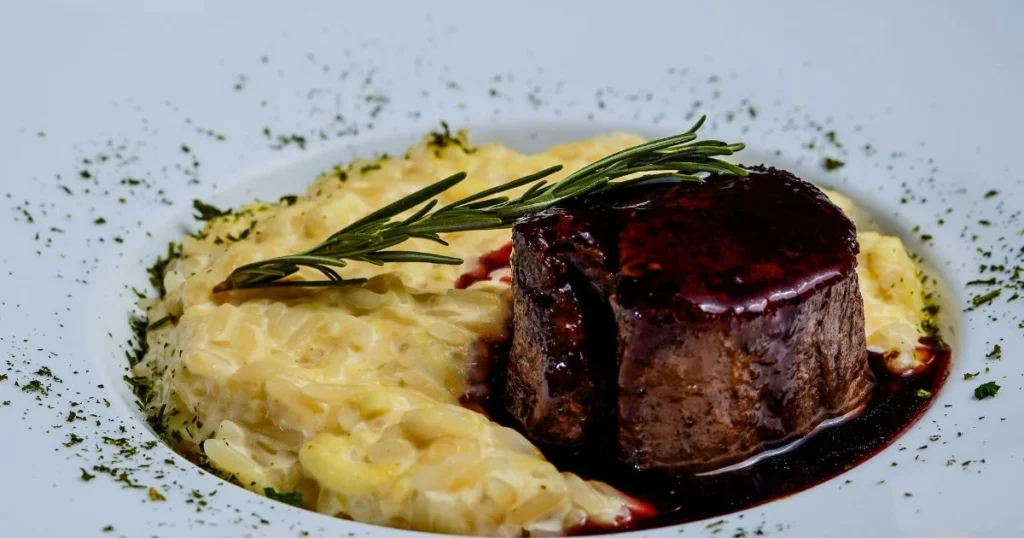
Beef shanks are cuts of meat taken from the lower leg of a cow. Because these muscles support the animal’s weight throughout its life, they develop dense muscle fibers and plenty of connective tissue. This makes the meat naturally tough when cooked quickly but incredibly tender when cooked slowly.
One of the most recognizable features of beef shanks is the round marrow bone in the center. During slow cooking, the marrow softens and enriches the cooking liquid, adding remarkable depth of flavor.
Beef shanks come in two primary varieties:
Fore Shank
The fore shank comes from the front legs of the animal. It is generally:
- Slightly smaller
- Leaner
- Excellent for soups and stews
- Ideal for slow braising
Hind Shank
The hind shank comes from the rear legs and is often:
- Larger
- Meatier
- Richer in connective tissue
- Perfect for hearty main dishes
Both cuts benefit from long, gentle cooking that allows collagen to melt into gelatin, producing juicy meat and luxurious sauces.
Why Are Beef Shanks So Popular?
Although beef shanks don’t receive as much attention as ribeye or filet mignon, experienced home cooks and professional chefs appreciate them for several reasons.
Rich, Deep Beef Flavor
Packed with muscle, bone, marrow, and connective tissue, beef shanks develop an incredibly rich, deep flavor as they cook. The result is a hearty and satisfying bite every time.
Budget-Friendly
If you’re looking for an affordable beef cut that doesn’t sacrifice flavor, beef shanks are an excellent choice. They typically cost much less than premium steaks while producing restaurant-quality meals.
High in Natural Collagen
Collagen slowly breaks down into gelatin during cooking, giving sauces and broths a silky texture that’s difficult to achieve with lean cuts.
Perfect for Meal Prep
Beef shanks often taste even better the next day as the flavors continue to develop. They’re perfect for preparing ahead of busy weekdays.
Versatile
You can use beef shanks in many dishes, including:
- Braised beef
- Beef stew
- Vegetable soup
- Osso buco
- Mexican caldo de res
- Slow cooker meals
- Pressure cooker recipes
Nutritional Value
Besides being delicious, beef shanks are packed with nutrients that support a balanced diet.
| Nutrient (Per 100g Cooked) | Approximate Amount |
|---|---|
| Calories | 230 kcal |
| Protein | 29 g |
| Fat | 12 g |
| Iron | 2.7 mg |
| Zinc | 5.2 mg |
| Vitamin B12 | 2.1 mcg |
| Collagen | Naturally High |
Why You’ll Appreciate These Nutrients
- Protein helps build and repair muscles.
- Iron supports healthy oxygen transport in your body.
- Zinc contributes to immune function.
- Vitamin B12 plays an important role in energy production and nervous system health.
- Collagen creates rich, velvety sauces and contributes to the meat’s signature tenderness.
What is Taste Like?
If you’ve never tried beef shanks before, you may wonder how they compare with other cuts.
The flavor is intensely beefy, rich, and comforting. Unlike lean steaks, beef shanks develop layers of flavor because of the marrow and connective tissue.
When properly cooked, the meat becomes:
- Fork tender
- Juicy
- Richly savory
- Slightly gelatinous
- Full of natural beef flavor
The cooking liquid also becomes deeply flavorful, making it perfect for serving over mashed potatoes, rice, or crusty bread.
Beef Shanks vs. Other Beef Cuts
Understanding how beef shanks compare with other popular cuts can help you choose the right one for your recipe.
| Beef Cut | Texture | Flavor | Best Cooking Method |
|---|---|---|---|
| Beef Shanks | Tough before cooking, tender after slow cooking | Very rich | Braising, slow cooking |
| Chuck Roast | Moderately tough | Beefy | Pot roast, slow cooker |
| Short Ribs | Tender and fatty | Extremely rich | Braising |
| Brisket | Firm | Deep beef flavor | Smoking, slow roasting |
| Oxtail | Gelatin-rich | Intensely savory | Slow simmering |
If you’re looking for maximum flavor on a reasonable budget, beef shanks are hard to beat.
Best Ways to Cook it
The secret to cooking beef shanks successfully is patience. Fast cooking methods won’t allow the connective tissue to break down, leaving the meat chewy and dry.
Instead, use slow, moist cooking techniques.
Braising
Braising is widely considered the best cooking method for beef shanks.
The process combines searing with slow cooking in liquid, creating meat that practically falls off the bone.
How to Braise it
- Pat the beef dry with paper towels.
- Season generously with salt and black pepper.
- Heat oil in a heavy Dutch oven.
- Brown each side until a deep crust forms.
- Remove the meat.
- Sauté onions, carrots, celery, and garlic.
- Stir in tomato paste.
- Deglaze the pan with red wine or beef broth.
- Return the beef to the pot.
- Add enough broth to partially cover the meat.
- Cover tightly.
- Cook at 325°F (163°C) for about 3 to 4 hours.
The result is incredibly tender beef surrounded by a rich, flavorful sauce.
Slow Cooker
If you prefer a hands-off cooking method, the slow cooker is an excellent choice.
Simply brown the meat first, then place it into the slow cooker with vegetables, broth, herbs, and seasonings.
Cook on:
- Low: 8 to 10 hours
- High: 5 to 6 hours
By dinner time, you’ll have tender beef and a flavorful broth with very little effort.
Oven-Roasted it
Cooking beef shanks in the oven produces excellent results, especially when using a Dutch oven with a tight-fitting lid.
The enclosed environment allows moisture to circulate continuously, ensuring the meat stays juicy while slowly becoming tender.
For the best texture:
- Keep the oven temperature low.
- Avoid uncovering the pot too often.
- Allow the meat to rest before serving.
Pressure Cooker or Instant Pot Beef Shanks
When you’re short on time, a pressure cooker can dramatically reduce cooking time while still producing tender meat.
Typical cooking time:
- Pressure cook for 60–75 minutes.
- Allow a natural pressure release for 15–20 minutes.
This method is perfect for busy weeknights when you want slow-cooked flavor without waiting all day.
Smoked Beef Shanks
If you enjoy barbecue, smoked beef shanks offer another delicious option.
Smoking creates a flavorful bark while preserving moisture inside the meat.
Many pitmasters finish smoked beef shanks by wrapping them with broth and continuing to cook until they become fork-tender.
Serve smoked beef shanks with barbecue sauce, roasted potatoes, or grilled vegetables for a meal that’s packed with bold flavor.
Classic Braised Beef Shanks Recipe
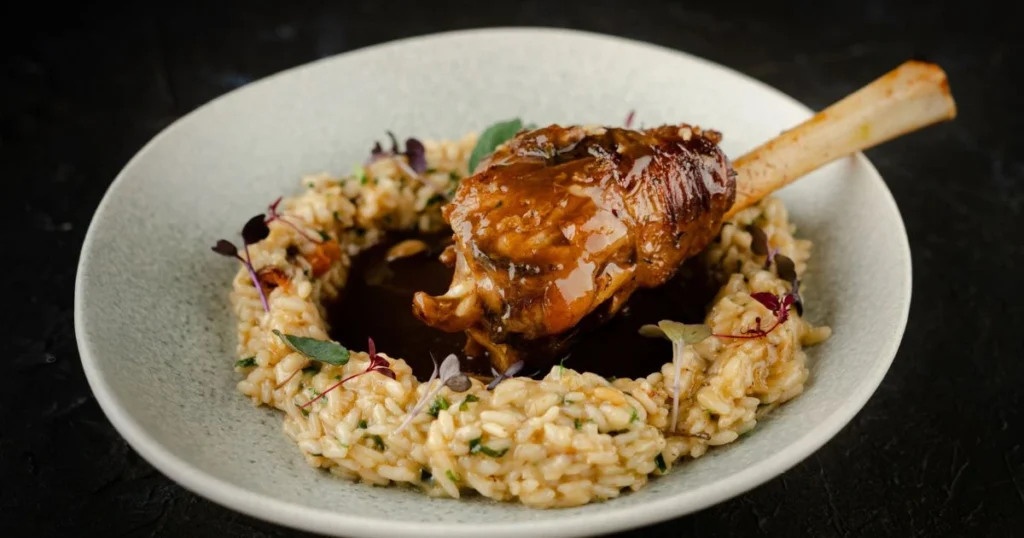
If you’re making beef shanks for the first time, this classic braised recipe is the perfect place to start. Slow braising creates tender meat that falls off the bone while the cooking liquid turns into a rich, flavorful sauce.
Ingredients
| Ingredient | Quantity |
|---|---|
| Beef shanks | 4 pieces (about 3–4 lbs) |
| Olive oil | 2 tablespoons |
| Onion, diced | 1 large |
| Carrots, chopped | 2 medium |
| Celery stalks, chopped | 2 |
| Garlic, minced | 5 cloves |
| Tomato paste | 2 tablespoons |
| Dry red wine (optional) | 1 cup |
| Beef broth | 4 cups |
| Bay leaves | 2 |
| Fresh thyme | 3 sprigs |
| Salt | To taste |
| Black pepper | To taste |
Step-by-Step Instructions
- Pat the beef shanks dry with paper towels.
- Season both sides generously with salt and black pepper.
- Heat olive oil in a Dutch oven over medium-high heat.
- Sear the beef shanks for 4–5 minutes per side until deeply browned.
- Remove the meat and set it aside.
- Place the onion, carrots, and celery into the pot.. Cook for about 5 minutes.
- Stir in the garlic and tomato paste, cooking for another minute.
- Pour in the red wine to deglaze the pan, scraping up the browned bits from the bottom.
- Add the beef broth, thyme, and bay leaves.
- Return the beef shanks to the pot, ensuring they’re partially submerged.
- Cover with a lid and bake at 325°F (163°C) for 3 to 4 hours.
- Once the meat is fork-tender, remove the herbs and serve with your favorite side dish.
Pro Tip
For an even richer sauce, remove the cooked beef and simmer the braising liquid on the stovetop for 10–15 minutes until it reduces slightly.
Slow Cooker Beef Shanks Recipe
If convenience is your priority, the slow cooker delivers exceptional results with minimal effort.
Ingredients
| Ingredient | Quantity |
|---|---|
| Beef shanks | 4 pieces |
| Beef broth | 4 cups |
| Onion | 1 large |
| Garlic | 4 cloves |
| Worcestershire sauce | 2 tablespoons |
| Carrots | 3 |
| Potatoes | 4 medium |
| Thyme | 2 teaspoons |
| Salt | To taste |
| Pepper | To taste |
Instructions
- Brown the beef shanks in a skillet.
- Transfer them to your slow cooker.
- Add the vegetables and garlic.
- Pour in the broth and Worcestershire sauce.
- Season with herbs, salt, and pepper.
- Cook on Low for 8–10 hours or High for 5–6 hours.
- Serve with the vegetables and spoon the cooking juices over everything.
This method is ideal when you want dinner ready after a long day.
Instant Pot Beef Shanks Recipe
Need dinner faster? The Instant Pot shortens cooking time without sacrificing tenderness.
Ingredients
| Ingredient | Quantity |
|---|---|
| Beef shanks | 4 pieces |
| Olive oil | 2 tablespoons |
| Onion | 1 large |
| Garlic | 4 cloves |
| Tomato paste | 2 tablespoons |
| Beef broth | 3 cups |
| Fresh rosemary | 2 sprigs |
| Salt | To taste |
| Black pepper | To taste |
Instructions
- Select the Sauté setting.
- Brown the beef shanks on both sides.
- Remove the meat.
- Cook the onion and garlic for 3–4 minutes.
- Stir in the tomato paste.
- Add the beef broth and scrape the bottom of the pot.
- Return the beef shanks to the Instant Pot.
- Lock the lid and cook on High Pressure for 70 minutes.
- Allow a 15–20 minute natural release before opening.
- Serve with mashed potatoes, rice, or buttered noodles.
Common Mistakes When Cooking Beef Shanks
Even though beef shanks are forgiving, a few common mistakes can affect the final result.
1. Cooking Too Quickly
High heat doesn’t give collagen enough time to break down. Slow cooking is the key to tender meat.
2. Skipping the Browning Step
Searing develops a flavorful crust that adds depth to the finished dish.
3. Using Too Little Liquid
Braising requires enough liquid to keep the meat moist throughout cooking.
4. Underseasoning
Because beef shanks are a thick cut, don’t be shy with salt, pepper, herbs, and spices.
5. Removing the Meat Too Soon
If the meat is still firm, continue cooking until it becomes fork-tender. Properly cooked beef shanks should shred easily.
6. Forgetting to Rest the Meat
Allow the beef to rest for 10–15 minutes before serving so the juices can redistribute.
Best Side Dishes for Beef Shanks
A hearty main course deserves equally satisfying side dishes. Here are some excellent options to complete your meal.
Classic Pairings
- Creamy mashed potatoes
- Buttered egg noodles
- Parmesan risotto
- Creamy polenta
- Steamed white rice
Vegetable Sides
- Roasted carrots
- Green beans
- Brussels sprouts
- Sautéed spinach
- Garlic broccoli
- Roasted asparagus
Bread Options
- Rustic sourdough
- French bread
- Dinner rolls
- Garlic bread
The rich braising sauce is perfect for soaking into bread or spooning over potatoes and rice.
Tips for Buying the Best Beef Shanks
The quality of your ingredients plays a major role in the final dish.
When shopping for beef shanks, look for:
- Bright red meat with no gray discoloration
- Evenly cut pieces for consistent cooking
- Bones with visible marrow
- Moderate marbling for added flavor
- A fresh, clean smell
- Meat from a trusted butcher or reputable grocery store
If possible, choose thicker cuts, as they tend to stay juicier during long cooking times.
How to Store Beef Shanks
Leftover beef shanks are just as delicious the next day, making them an excellent option for meal prep.
Refrigerating
- Allow the meat to cool completely.
- Store it in an airtight container with some of the cooking liquid.
- Refrigerate for up to 4 days.
Keeping the meat in its braising liquid helps prevent it from drying out.
Freezing
Beef shanks freeze exceptionally well.
- Portion the meat into freezer-safe containers or bags.
- Include some of the sauce to preserve moisture.
- Freeze for up to 3 months.
Thaw overnight in the refrigerator before reheating.
How to Reheat Beef Shanks
Proper reheating helps maintain tenderness and flavor.
Oven
- Place the beef in a covered baking dish.
- Add a splash of broth.
- Heat at 325°F (163°C) for 20–30 minutes.
Stovetop
Warm the beef gently over low heat in its braising liquid until heated through.
Microwave
Use medium power and cover the dish to help retain moisture. Heat in short intervals, stirring or turning the meat as needed.
Avoid overheating, as this can make the meat less tender.

