
Do you remember the first time you tasted that iconic, tangy burger topping? For many of us, that flavor defines the ultimate comfort food. Recreating that magic in your kitchen is surprisingly simple. It only needs basic pantry staples.
You don’t need fancy kitchen tools or rare ingredients for professional results. By mixing a few common ingredients, you can make your burgers taste like your favorite drive-thru. Mastering this recipe lets you enjoy that signature taste anytime, right at home.
Key Takeaways
- Discover the secret blend of pantry staples that creates the classic flavor.
- Learn that professional results require no special kitchen tools.
- Save time and money by preparing your own condiments at home.
- Customize the intensity of the tang to suit your personal preference.
- Elevate your backyard grilling game with this authentic-tasting addition.
Understanding the Flavor Profile of the Iconic Big Mac Sauce
Ever wondered what’s in big mac sauce? You’re looking for that perfect mix of tang and creaminess. This sauce has a special balance of sharp, acidic notes and a smooth, fatty base. Learning this balance is key to making it at home.
The Balance of Tangy and Creamy
The sauce’s magic comes from the delicate interplay between mayonnaise and acidic parts. Mayonnaise gives it body and feel, while vinegar and relish add the needed brightness. This cuts through the fat of a beef patty.
“The secret to a great sauce is not complexity, but the precise ratio of acidity to richness that keeps the palate engaged.”
To get the right taste, focus on these key parts:
- Creaminess: A good mayonnaise is the base for all flavors.
- Tanginess: Vinegar and pickle relish add the sharp contrast.
- Depth: Subtle spices add depth to prevent the sauce from being one-dimensional.
Why Simple Ingredients Create Authentic Results
Surprisingly, you don’t need fancy items to make this sauce. When you look into what’s in big mac sauce, you’ll find it uses common pantry items. These basic ingredients create a familiar, nostalgic taste that fancy additives can mess up.
Using simple ingredients lets you control the quality and freshness of your sauce. By tweaking the ratios of these basic items, you can fine-tune your sauce until it’s just right. Simplicity is truly the key to a professional, restaurant-style finish at home.
Essential Pantry Staples You Need
Starting your burger sauce journey with these pantry staples is key. High-quality ingredients mean every batch tastes consistently delicious. You don’t need a fancy kitchen to make it taste like a restaurant.
Selecting the Right Mayonnaise Base
The base of your sauce is the mayonnaise. Choose a full-fat, creamy mayonnaise for the best taste. Low-fat or whipped mayo won’t give you the richness you need.
A top-notch base lets your spices and acids shine. This makes your sauce smooth and rich, not thin or watery.
The Role of Sweet Pickle Relish
Sweet pickle relish adds a special crunch and flavor. It brings a delightful sweetness that balances the mayonnaise’s fat. This mix is key to a great taste.
“The secret to a great sauce is the balance between the creamy fat and the sharp, sweet tang of the pickles.”
The relish’s small bits also add a nice texture. This makes your burger bites more exciting and fulfilling.
Choosing the Best Mustard for Depth
Mustard is the heart of your sauce’s complexity. While yellow mustard is common, a high-quality prepared mustard adds depth. It adds a subtle tang that complements the relish’s sweetness.
Try different mustards to see how they change your sauce. A bit of mustard gives your sauce a sophisticated finish that makes you want more.
The Secret Behind the Signature Color Big Mac
To get that signature light orange color, you need to master your homemade sauce. The base is important, but the color makes it stand out. You can get this look by mixing the right pantry staples.
Using Paprika for Hue and Flavor
Paprika is key for that warm, inviting glow. It’s not just for color; it adds a subtle, earthy depth. Use high-quality sweet or smoked paprika to keep the flavor balanced.
When you mix paprika into your mayonnaise, it spreads evenly. A little goes a long way. Start with a small amount and adjust until you get the right shade. This spice enhances both the look and taste of your sauce.
The Importance of Tomato Paste or Ketchup
Adding a bit of tomato-based product is crucial for the classic color. Ketchup is common because it adds sweetness and acidity. Tomato paste is good for a more intense flavor.
These ingredients help mix everything together for a smooth finish. They also make the sauce look appealing on a burger. But don’t add too much, or it’ll be too tomato-heavy.
Achieving the Perfect Consistency
Consistency is as important as color for a top-notch sauce. You want it thick enough to stick to the burger without dripping. Mixing well ensures everything blends together perfectly.
If your sauce is too thin, add more mayonnaise or chill it. Cooling helps the fats firm up, improving the texture. Check the table below to see how different ingredients affect your sauce’s look and feel.
| Ingredient | Primary Function | Visual Impact | Texture Contribution |
|---|---|---|---|
| Sweet Paprika | Flavor Depth | Adds warm orange hue | Minimal |
| Ketchup | Sweetness/Acid | Deepens the color | Increases viscosity |
| Mayonnaise | Base/Body | Provides light canvas | Creates creamy structure |
| Pickle Relish | Texture/Tang | Adds flecks of green | Adds chunky consistency |
How to Make Big Mac Sauce Step by Step
Learning how to make Big Mac sauce is all about mixing textures and flavors right. By following a clear plan, you make sure every bite tastes just right.
Combining Your Wet Ingredients
Begin by mixing your main ingredients in a bowl. Start with mayonnaise, sweet pickle relish, and white vinegar. This creates a solid base.
Whisk these ingredients well until they’re completely consistent. A smooth base helps the dry spices mix in evenly, avoiding clumps.
Incorporating the Dry Spices
Now, add your dry spices to the wet base. Sprinkle paprika, onion powder, and garlic powder slowly while stirring. This prevents clumps.
Adding spices slowly ensures they mix well. If you add them all at once, you might get dry spots in your sauce.
The Importance of Resting Time for Flavor Development
Don’t serve the sauce right after mixing. Resting your sauce in the fridge for at least an hour is key.
This time lets the vinegar and spices blend with the mayonnaise. It turns separate ingredients into a unified, tasty sauce.
| Stage | Action | Goal |
|---|---|---|
| Preparation | Whisk wet base | Achieve smoothness |
| Seasoning | Add dry spices | Ensure distribution |
| Maturation | Refrigerate | Develop deep flavor |
By following these steps on how to make Big Mac sauce, you improve your cooking. Remember, the quality of your sauce comes from paying attention to the details.
What Is in Big Mac Sauce Beyond the Basics
To understand what’s in big mac sauce, look beyond the basics. The creamy base is just the start. It’s the seasonings that give it its signature savory depth.
The Role of Onion Powder and Garlic Powder
Onion and garlic powders are key for a strong flavor. They mix well with the mayonnaise without adding moisture. This keeps the sauce thick and spreadable.
These powders add a deep umami taste. They give a flavor that stays with you. Using powders helps avoid making the sauce too wet.
Adjusting Acidity with White Vinegar
White vinegar cuts through the mayonnaise’s richness. It adds a sharp, clean tang. This balances the sauce’s fats.
When you’re figuring out what’s in big mac sauce, vinegar is a personal choice. Start with a little and adjust to taste. This ensures the sauce is just right for you.
Balancing Salt and Sugar Levels
Salt and sugar work together to make the sauce addictive. Salt brings out the garlic and onion’s savory taste. Sugar softens the vinegar’s sharpness.
Getting the balance right is crucial for making what’s in big mac sauce at home. Adjust these levels based on your relish or mustard choice.
| Ingredient | Primary Function | Flavor Impact |
|---|---|---|
| Onion Powder | Savory Depth | Mild & Aromatic |
| Garlic Powder | Umami Boost | Pungent & Rich |
| White Vinegar | Acidity | Sharp & Bright |
| Sugar | Balance | Sweet & Mellow |
By carefully managing these ingredients, you can make a sauce that tastes just like the original. Remember, patience is your best friend when mixing these elements. Let the flavors blend for the best taste.
How Do I Make a Big Mac at Home
If you’ve ever wondered how do I make a big mac like the real one, you’re in the right spot. Moving from the sauce to putting the whole burger together is key. Learning to make a big mac and its special build is the last step to making it just like fast food at home.
Selecting the Right Bun Structure
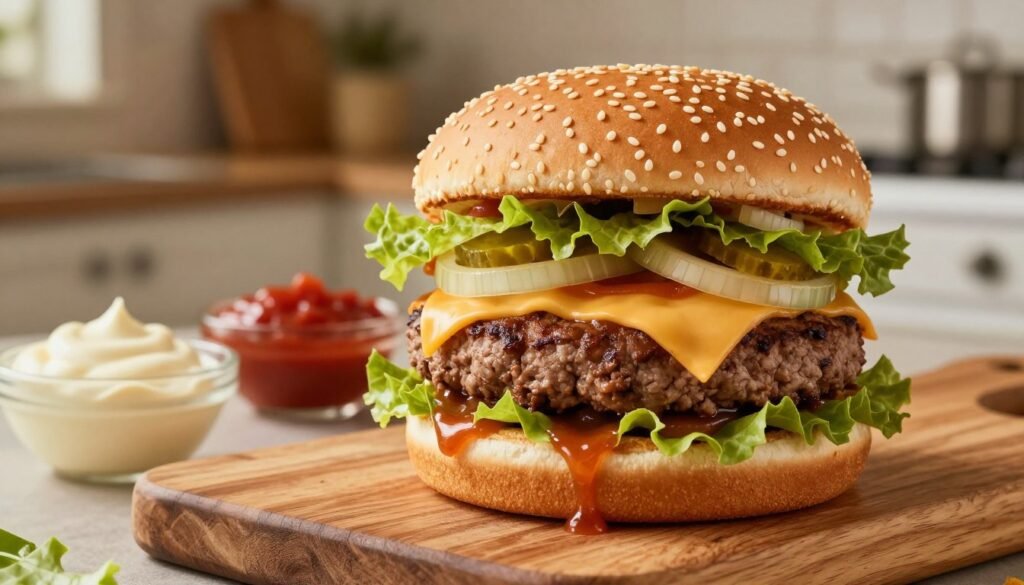
The bun is the base of your burger. You need a soft, sesame seed bun that can hold two patties and lots of sauce. Toasting the cut sides of the bread helps keep it dry.
For the real deal, you’ll need a middle bun layer. You can make this by cutting a third bun or using the bottom half of an extra bun. This extra layer helps keep everything stacked up high.
Preparing the Shredded Lettuce and Cheese
Texture is important in a great burger. Use iceberg lettuce for its crisp, refreshing crunch. Shred it thin so it’s evenly spread in every bite.
For cheese, go with classic American cheese slices. Place the cheese on the hot patty right after cooking so it melts well. This makes a creamy bond between the meat and toppings.
Cooking the Perfect Thin Beef Patties
The secret to a classic burger is thin beef. Make small, thin patties that cook fast and get a crispy, caramelized crust. A high-heat sear is key to keeping the meat juicy and tender.
Remember, thin patties are essential for a real big mac. They let the sauce and lettuce flavors stand out. Use the table below to make sure your burger is perfectly balanced.
| Component | Preparation Method | Purpose |
|---|---|---|
| Beef Patties | Thin, high-heat sear | Flavor and texture |
| Bun | Lightly toasted | Structural integrity |
| Lettuce | Finely shredded | Fresh crunch |
| Cheese | Single slice | Creamy finish |
Customizing Your Homemade Sauce
Your homemade sauce is a blank canvas for creativity and personal touch. The classic version is loved for its balance, but you can change it to fit your taste. Experimenting with your recipe lets you turn a simple sauce into a unique topping that shows off your kitchen style.
Adding a Spicy Kick with Cayenne
Want a little heat? Cayenne pepper is a great choice. Start with a small amount, as the spice can grow stronger over time. A subtle warmth can enhance the tangy flavors of vinegar and pickles, making the sauce more interesting.
“Cooking is like painting or writing a song. Just as there are only so many notes or colors, there are only so many flavors—it’s how you combine them that sets you apart.”
Creating a Smoked Version with Liquid Smoke
For a gourmet twist, try adding liquid smoke. A little goes a long way, adding a smoky aroma that’s great with grilled meats. Remember, you’re enhancing the flavors, not overpowering them.
Adjusting Texture for Different Burger Styles
The sauce’s thickness should match your burger. For thin beef patties, a thinner sauce spreads better. Thicker sauces work well with turkey or plant-based burgers, holding toppings.
To change the sauce’s thickness, adjust the mayonnaise ratio. Adding minced onion or relish can add a nice crunch. Keep tweaking until it’s just right for your next meal.
Storage and Shelf Life Tips
Managing your homemade condiment right ensures every burger tastes fresh. Since it’s based on mayonnaise, it needs careful handling. Follow these tips to enjoy it for longer.
Proper Refrigeration Techniques
Store your sauce in an airtight container to avoid odors. Glass jars with tight lids are ideal. Keep it in the fridge’s main area, not the door, where it’s colder.
Signs That Your Sauce Has Expired
Check your sauce before using it. Look for unusual changes in color or smell. If it smells sour or has mold, throw it away. Also, if it separates and doesn’t mix well, it’s time for a new batch.
Freezing Considerations for Long-Term Storage
Freezing is not the best option for your sauce. It can make the mayonnaise grainy or oily. Instead, make smaller batches to use within a week.
| Storage Method | Recommended Duration | Best Practice |
|---|---|---|
| Refrigerator | 5 to 7 Days | Use airtight glass jars |
| Countertop | Not Recommended | Keep chilled at all times |
| Freezer | Not Recommended | Avoid to maintain texture |
Pairing Your Sauce with Other Foods
This sauce is not just for burgers. It can add a creamy, tangy flavor to many meals. It’s a great way to make your cooking more comforting and familiar.
Using the Sauce as a Dipping Condiment
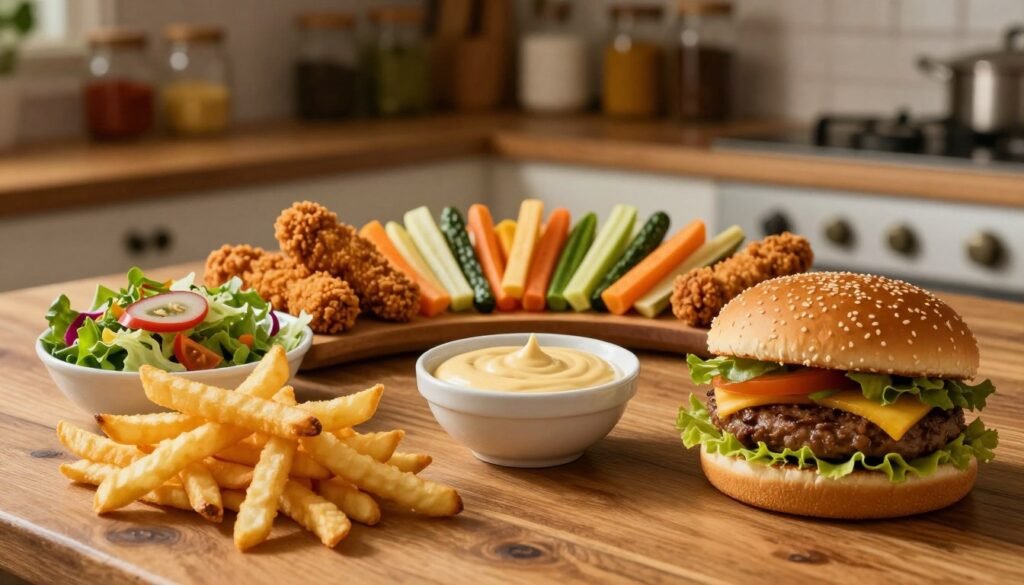
This sauce is a great dip for many snacks. It’s perfect with crispy fries or onion rings. You can also use it with fresh veggies like carrots or bell peppers.
Its sweet and tangy taste is great with fried foods. It’s a better choice than plain ketchup or ranch. Just put it on your appetizer platter and watch it go fast.
Elevating Your Fried Chicken Sandwiches
For a tasty fried chicken sandwich, use this sauce. It adds moisture and flavor to the breading. It makes your sandwich taste like a gourmet meal.
Spread it on both buns for the best taste. It pairs well with pickles and lettuce. It balances the crunch of the chicken with the soft bun.
Incorporating the Sauce into Potato Dishes
Potatoes are a great base for this sauce. It’s perfect for baked potatoes, wedges, or potato salad. It adds a creamy, savory flavor.
Try it on roasted potato skins with bacon and chives. Or mix it into mashed potatoes for a surprise. This sauce makes your potato dishes exciting.
Common Mistakes to Avoid When Mixing
To get that perfect restaurant-style sauce, you need to pay close attention to how you mix. Even with the right ingredients, how you mix them makes all the difference. Knowing these common mistakes helps keep your homemade sauce stable and tasty every time.
Preventing a Runny Consistency
Many home cooks struggle with a sauce that’s too thin. This often happens when using low-fat mayonnaise or adding too much liquid. Start with high-quality, full-fat mayonnaise for a thick base.
If your sauce is still too thin, add a bit more mayonnaise or finely minced pickles. Be patient; let it chill in the fridge for at least an hour. This helps the sauce thicken naturally.
Avoiding Overpowering the Flavor with Too Much Vinegar
Vinegar adds a nice tang, but too much can overpower the other flavors. Add vinegar in small amounts to avoid an acidic overload.
Check the taste after each addition to keep the balance right. If it’s too sharp, a bit more sugar or mayonnaise can fix it. Getting the balance right is key to a professional taste.
Ensuring Proper Emulsification of Ingredients
Good emulsification gives the sauce a smooth texture. If not done right, you might get a grainy sauce. Whisk wet ingredients well before adding dry spices and relish.
Make sure all ingredients are at room temperature before mixing. Cold ingredients can make the sauce break. Mix slowly and steadily for a smooth, velvety finish that sticks to your burgers.
Ingredients in a Big Mac and How They Compare
Ever wonder how the ingredients in a big mac compare to what you make at home? The fast food version is made for speed and consistency. But, your kitchen lets you focus on quality, something hard to do on a big scale.
Analyzing the Original Fast Food Components
The commercial burger uses specific, shelf-stable parts to keep every burger the same. This includes processed cheeses, sauces, and patties that are flash-frozen. Efficiency is key, but it might mean missing out on rich, complex flavors.
Why Homemade Versions Often Taste Fresher
When you make your own meal, you pick the quality of your beef and the freshness of your lettuce. Using fresh, local ingredients in a big mac style burger brings out flavors that processed foods can’t. You’re not bound by supply chain rules, so you can focus on taste.
The Health Benefits of Controlling Your Ingredients
Cooking at home lets you control what you eat, avoiding too much sodium, sugar, and preservatives. Fast food often has lots of additives to keep it fresh longer. By making your own big mac and similar burgers, you can use natural sugars and less salt, fitting your health goals.
- Quality Control: You choose the meat and veggies’ freshness.
- Additive Reduction: You cut out preservatives and artificial stuff.
- Customized Nutrition: You control the meal’s size and calories.
Conclusion
Making your own burger sauce can turn a simple meal into a gourmet dish. You now know how to mix tangy and creamy flavors using common ingredients.
Customizing your sauce lets you play with heat, smoke, and acidity. You choose every ingredient, making your sauce taste better than store-bought. This means your homemade sauce is always fresh.
Be proud of your cooking skills when you serve these burgers. You can make flavors that are both familiar and your own. Start making your next batch today and see the difference it makes.