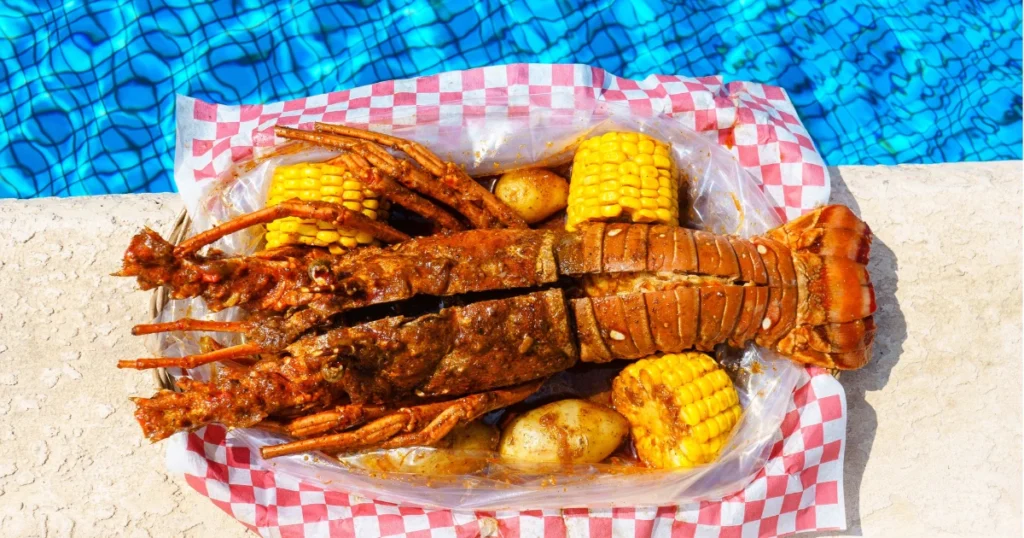
A Feast That Brings Everyone Together
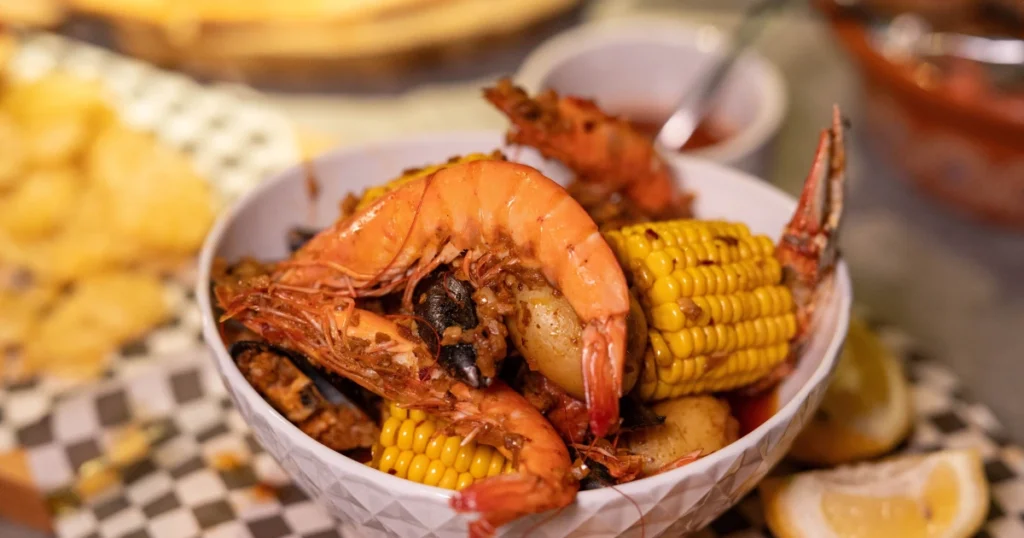
Few meals create excitement quite like a seafood boil. There is something unforgettable about gathering around a table filled with steaming seafood, buttery sauce, sweet corn, tender potatoes, and smoky sausage. It transforms an ordinary meal into a shared experience filled with conversation, laughter, and memorable flavors.
Whether you’re hosting a summer cookout, celebrating a family gathering, or simply craving a restaurant-style seafood feast at home, understanding the right seafood boil ingredients is essential.
Choosing quality ingredients and combining them properly allows you to recreate the rich, coastal flavors that make seafood boils so popular. From selecting the freshest shellfish to seasoning the broth perfectly, every detail contributes to an incredible dining experience.
This guide covers everything you need to know about seafood boil ingredients, including seafood options, vegetables, seasonings, cooking techniques, and expert tips to help you prepare a delicious seafood feast with confidence.
What Is a Seafood Boil?
A seafood boil is a one-pot meal traditionally prepared by boiling seafood, vegetables, sausage, and seasonings together in a large stockpot.
It originated in coastal communities where fresh seafood was abundant and communal dining was part of everyday life.
Over time, several regional variations emerged, including:
- Cajun seafood boils
- Low Country boils
- Louisiana crawfish boils
- Garlic butter seafood boils
- Southern shrimp boils
The appeal of a seafood boil lies in its simplicity and abundance.
Instead of serving separate dishes, everything cooks together, allowing flavors to blend beautifully.
Many families enjoy spreading the finished seafood directly onto a large table lined with paper for a casual and festive presentation.
Why Seafood Boils Remain Popular
Seafood boils continue to gain popularity because they offer:
- A fun dining experience
- Customizable ingredient combinations
- Easy preparation for large groups
- Bold and satisfying flavors
- A memorable centerpiece for celebrations
Whether you’re feeding four people or twenty guests, seafood boils provide flexibility and excitement.
Why Choosing the Right Seafood Boil Ingredients Matters
The quality of your ingredients directly affects the final result.
Fresh seafood, flavorful vegetables, and carefully selected seasonings can elevate your meal from ordinary to exceptional.
Better Flavor
Fresh seafood naturally tastes sweeter and more delicate.
Premium ingredients enhance the overall richness of the broth and improve texture.
Higher-quality seasonings also contribute significantly to authentic seafood boil flavor.
Improved Texture
Cooking seafood properly begins with selecting ingredients of similar quality.
Fresh shrimp remain tender.
Potatoes stay creamy.
Corn develops a pleasant sweetness.
Using inferior ingredients can result in rubbery seafood or bland vegetables.
Balanced Cooking Times
Different ingredients cook at different rates.
Choosing ingredients carefully ensures they finish cooking at roughly the same time.
This prevents overcooked shrimp or undercooked potatoes.
Essential Seafood Boil Ingredients for a Classic Recipe
Building a classic seafood boil starts with understanding the essential components.
Typically, a seafood boil includes four main categories:
- Seafood
- Vegetables
- Sausage
- Seasonings
Seafood Selection
Seafood is naturally the star of the meal.
You can customize your boil according to personal preferences and availability.
Popular seafood choices include:
Shrimp
Shrimp is perhaps the most common seafood boil ingredient.
Benefits include:
- Quick cooking time
- Mild flavor
- Easy availability
- Affordable pricing
Large shrimp with shells on tend to retain moisture and flavor during cooking.
Crab Legs
Crab legs add luxury and richness.
Common varieties include:
- Snow crab
- King crab
- Dungeness crab
Crab contributes sweet meat and an elegant presentation.
Crawfish
Crawfish are especially popular in Louisiana-style boils.
They offer:
- Slightly sweet flavor
- Traditional Southern appeal
- Authentic Cajun character
Lobster Tails
For special occasions, lobster tails provide a premium addition.
Their buttery texture pairs beautifully with seasoned broth.
Mussels and Clams
Shellfish introduce additional complexity.
They absorb seasoning well and add depth to the overall seafood flavor.
Fresh Versus Frozen Seafood
Both fresh and frozen seafood work well.
Fresh seafood offers superior texture.
Frozen seafood provides convenience and year-round availability.
If using frozen products:
- Thaw gradually
- Refrigerate overnight
- Pat dry before cooking
Avoid thawing seafood at room temperature.
Vegetables Used in Seafood Boils
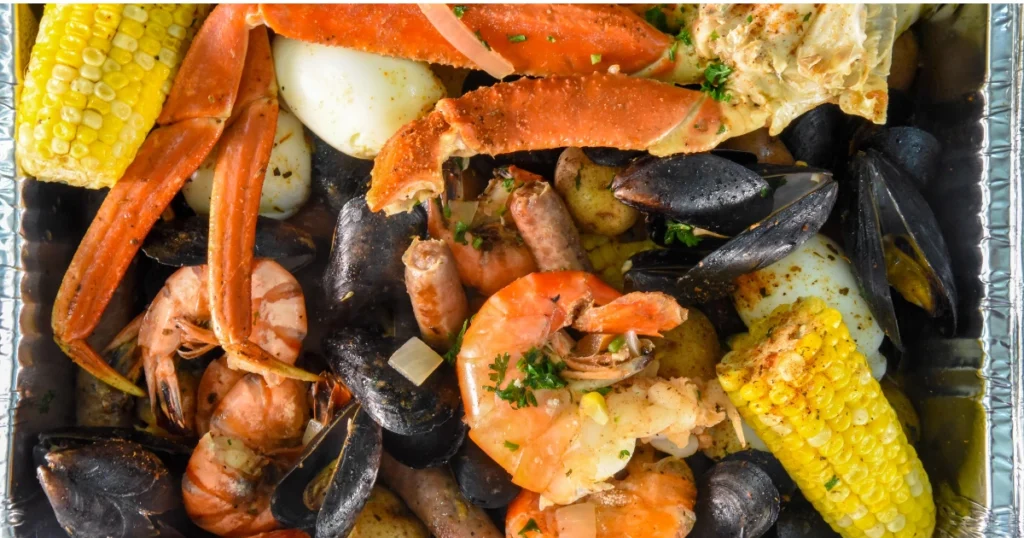
Vegetables help balance the richness of seafood while adding heartiness.
They also absorb seasonings exceptionally well.
Corn on the Cob
Corn provides natural sweetness.
Its juicy kernels complement spicy seasonings perfectly.
Many cooks cut each ear into smaller sections for easier serving.
Baby Potatoes
Potatoes are considered essential seafood boil ingredients.
Benefits include:
- Creamy texture
- Filling quality
- Excellent seasoning absorption
Red potatoes and Yukon Gold potatoes are popular choices.
Garlic
Fresh garlic enhances aroma and depth.
Whole cloves soften during cooking and become incredibly flavorful.
Many seafood lovers enjoy spreading cooked garlic directly onto bread.
Onions
Onions contribute sweetness and complexity.
Quartered onions release flavor into the broth without becoming overly soft.
Lemons
Lemon plays multiple roles.
It adds:
- Acidity
- Brightness
- Fresh aroma
- Flavor balance
Lemon halves are often squeezed into the cooking liquid before being added directly to the pot.
Protein Additions
Although seafood remains the centerpiece, sausage is an important addition.
It contributes smoky richness and complements shellfish beautifully.
Andouille Sausage
Andouille sausage is widely used in Cajun cooking.
Its advantages include:
- Bold flavor
- Mild heat
- Smoky aroma
- Traditional Southern character
Smoked Sausage
Smoked sausage provides a slightly milder profile.
It pairs particularly well with shrimp and crab.
Kielbasa
Kielbasa delivers a gentler flavor.
Families seeking a less spicy seafood boil often prefer this option.
Chorizo
For those who enjoy heat, chorizo offers an exciting alternative.
Its spices introduce additional complexity to the dish.
Seafood Boil Seasonings and Spices
Seasonings transform simple ingredients into an unforgettable meal.
A properly seasoned broth creates the signature taste seafood boils are known for.
Essential Seafood Boil Seasonings
Common spices include:
- Old Bay seasoning
- Cajun seasoning
- Garlic powder
- Onion powder
- Paprika
- Black pepper
- Cayenne pepper
- Sea salt
These ingredients provide layers of flavor that penetrate seafood and vegetables.
Aromatics
Fresh aromatics enhance the cooking liquid.
Popular choices include:
- Garlic cloves
- Lemon slices
- Bay leaves
- Parsley
- Celery
These additions create a fragrant broth that elevates every ingredient.
Seafood Boil Ingredients Table
Classic Seafood Boil Ingredient List
| Ingredient | Quantity | Purpose |
|---|---|---|
| Shrimp | 2 pounds | Main seafood |
| Crab legs | 2 pounds | Rich flavor |
| Corn | 6 ears | Sweetness |
| Baby potatoes | 2 pounds | Texture |
| Andouille sausage | 1 pound | Smoky flavor |
| Garlic | 2 heads | Aromatics |
| Lemon | 3 | Brightness |
| Butter | 1 cup | Sauce base |
| Old Bay seasoning | 4 tablespoons | Traditional seasoning |
| Cajun seasoning | 2 tablespoons | Heat and depth |
| Bay leaves | 3 | Aroma |
| Onion | 1 large | Flavor enhancer |
These ingredients create a balanced seafood boil suitable for six to eight people.
How to Prepare a Classic Seafood Boil
Now that you have gathered the essential seafood boil ingredients, it’s time to bring everything together. The secret to a successful seafood boil lies in proper timing, seasoning, and layering ingredients according to their cooking times.
Although seafood boils may look impressive, they are surprisingly easy to prepare once you understand the process.
Step 1 – Gather and Prepare Your Ingredients
Before turning on the stove, organize all your ingredients.
Preparation helps streamline the cooking process and ensures nothing overcooks while you’re busy chopping or measuring.
Checklist
✔ Seafood cleaned and thawed if frozen
✔ Potatoes washed
✔ Corn cut into smaller sections
✔ Sausage sliced
✔ Lemons halved
✔ Garlic heads separated
✔ Seasonings measured
✔ Butter prepared for sauce
Having everything ready before boiling begins makes the cooking process far easier.
Step 2 – Create a Rich and Flavorful Broth
The broth serves as the foundation of the entire seafood boil.
Every ingredient absorbs flavor from this seasoned cooking liquid.
Ingredients for the Broth
- 12 cups water
- 4 tablespoons Old Bay seasoning
- 2 tablespoons Cajun seasoning
- 3 bay leaves
- 2 halved lemons
- 1 large onion, quartered
- 2 heads garlic, halved
- 1 tablespoon black pepper
Instructions
- Fill a large stockpot with water.
- Add seasonings.
- Squeeze lemons into the pot.
- Add lemon halves.
- Add onions and garlic.
- Bring everything to a rolling boil.
Allow the broth to simmer for about 10 minutes before adding other ingredients.
This step develops a deeper flavor profile.
Step 3 – Cook Ingredients in the Right Order
Timing is one of the most important aspects of preparing seafood boils.
Different ingredients require different cooking durations.
Adding everything simultaneously often results in overcooked seafood.
Recommended Cooking Sequence
Potatoes First
Cook potatoes for approximately:
15–18 minutes
Potatoes require the longest cooking time.
Test them with a fork before proceeding.
Add Sausage
Once potatoes begin softening, add sliced sausage.
Cook for:
5 minutes
This allows smoky flavors to infuse throughout the broth.
Add Corn
Corn cooks quickly.
Allow it to simmer for:
5–7 minutes
It absorbs seasoning while maintaining sweetness.
Add Crab Legs
Most crab legs are pre-cooked.
They only need reheating.
Cook for:
4–5 minutes
Add Shrimp
Shrimp cooks very fast.
Usually:
2–3 minutes
Watch closely.
Shrimp should become pink and opaque.
Overcooked shrimp can become rubbery.
Add Mussels or Clams
Shellfish require:
5–7 minutes
Throw away any shellfish that stay closed after cooking.
Garlic Butter Seafood Boil Sauce
Many modern seafood boils feature a rich garlic butter sauce.
This finishing touch elevates the meal significantly.
Ingredients
| Ingredient | Quantity |
|---|---|
| Butter | 1 cup |
| Garlic | 8 cloves |
| Lemon juice | 2 tablespoons |
| Cajun seasoning | 1 tablespoon |
| Paprika | 1 teaspoon |
| Red pepper flakes | 1 teaspoon |
| Fresh parsley | 2 tablespoons |
Instructions
Melt the Butter
Heat butter over medium-low heat.
Avoid boiling.
Add Garlic
Cook garlic for one minute.
Stir frequently.
Garlic should become fragrant but not brown.
Add Seasonings
Mix in:
- Cajun seasoning
- Paprika
- Lemon juice
- Red pepper flakes
Simmer briefly.
Toss Seafood
Drizzle sauce over cooked seafood.
Toss gently.
You can also offer it on the side as a dipping sauce..
Tips for Choosing Fresh Seafood Boil Ingredients
Quality ingredients make a noticeable difference.
Fresh seafood contributes sweetness, tenderness, and cleaner flavors.
Seafood Buying Tips
Consider the following guidelines.
Shrimp
Look for:
- Firm texture
- Mild ocean smell
- Intact shells
- Bright appearance
Avoid shrimp with strong fishy odors.
Crab Legs
Purchase crab legs that feel heavy.
Frozen crab is often processed immediately after harvesting, preserving freshness.
Lobster
Fresh lobster should be:
- Active
- Responsive
- Stored properly
Purchase from trusted seafood suppliers.
Mussels and Clams
Shells should remain tightly closed.
Discard broken shellfish.
Open shells that fail to close when tapped should not be consumed.
Frozen Seafood Tips
Frozen seafood can be excellent quality.
Proper handling is essential.
Best Practices
- Thaw overnight in the refrigerator
- Keep seafood cold
- Avoid repeated freezing
- Use seafood within two days after thawing
These practices help preserve texture and flavor.
Popular Seafood Boil Variations
One of the reasons seafood boils remain so beloved is their versatility.
You can customize the ingredients based on personal taste.
Cajun Seafood Boil
This is perhaps the most popular variation.
Features include:
- Extra Cajun seasoning
- Additional cayenne pepper
- Garlic butter sauce
- Bold spice profile
Ideal for those who enjoy heat.
Low Country Boil
This Southern classic is simpler.
Common ingredients include:
- Shrimp
- Corn
- Potatoes
- Sausage
Seasonings tend to be milder.
It is especially popular in coastal regions.
Garlic Butter Seafood Boil
This restaurant-inspired version focuses heavily on sauce.
Ingredients often include:
- Butter
- Garlic
- Lemon
- Parsley
- Cajun seasoning
Many seafood enthusiasts consider this variation the most indulgent.
Luxury Seafood Boil
For special occasions, premium seafood can transform the experience.
Options include:
- Lobster tails
- King crab legs
- Scallops
- Jumbo shrimp
Perfect for celebrations and holidays.
Common Mistakes to Avoid
Even experienced home cooks occasionally make errors.
Avoiding these mistakes helps ensure better results.
Overcooking Seafood
This remains the most common issue.
Remember:
Shrimp cooks in minutes.
Crab requires reheating.
Lobster cooks quickly.
Monitor timing carefully.
Underseasoning the Water
The cooking liquid should be well seasoned.
Ingredients absorb flavor while boiling.
A bland broth leads to bland seafood.
Taste and adjust seasoning as needed.
Using Low-Quality Seafood
Freshness matters tremendously.
Investing in quality seafood improves:
- Flavor
- Texture
- Appearance
- Overall enjoyment
Forgetting the Butter Sauce
Although optional, butter sauce enhances the entire meal.
It adds:
- Richness
- Moisture
- Flavor intensity
- Restaurant-quality appeal
Serving Suggestions for Seafood Boils
Presentation plays an important role.
Many hosts prefer serving seafood boils family-style.
Spread ingredients directly across a covered table.
This creates an interactive dining experience.
Popular Side Dishes
Serve alongside:
- Garlic bread
- Cornbread
- Coleslaw
- Green salad
- Rice
- Roasted vegetables
Beverage Pairings
Refreshing drinks complement seafood beautifully.
Consider:
- Lemonade
- Sweet tea
- Sparkling water
- Citrus mocktails
- Fruit-infused beverages
Frequently Asked Questions About Seafood Boil Ingredients
What are the essential seafood boil ingredients?
Classic seafood boil ingredients include shrimp, crab legs, corn, potatoes, sausage, garlic, lemons, butter, and seafood seasonings.
What seafood works best in a seafood boil?
Popular options include:
- Shrimp
- Crab
- Lobster
- Crawfish
- Mussels
- Clams
Can frozen seafood be used?
Yes.
Frozen seafood is convenient and often very fresh because it is frozen shortly after harvesting.
Proper thawing ensures excellent results.
Which seasoning is best for seafood boils?
Old Bay seasoning remains a favorite.
Cajun seasoning also adds authentic Southern flavor.
Many cooks combine both.
What vegetables belong in a seafood boil?
Traditional vegetables include:
- Corn
- Potatoes
- Onions
- Garlic
- Lemons
These ingredients absorb seasonings beautifully.
How much seafood should I buy per person?
A good guideline is:
- ½ pound shrimp
- ½ pound crab
- 1 sausage link
- 1 ear corn
- Several potatoes
Adjust quantities depending on appetite and side dishes.
Conclusion
Understanding the right seafood boil ingredients is the foundation for creating an unforgettable seafood feast. From succulent shrimp and sweet crab legs to hearty potatoes, smoky sausage, and flavorful seasonings, each ingredient contributes to the overall experience.
Whether you’re preparing a traditional Cajun seafood boil, a Low Country classic, or a rich garlic butter variation, selecting quality ingredients and following the proper cooking order will help you achieve delicious results every time.
Ready to Host Your Own Seafood Boil?
Gather your favorite seafood boil ingredients, invite family and friends, and turn an ordinary meal into a memorable celebration. With the right ingredients and a little preparation, you’ll enjoy a restaurant-worthy seafood feast right at home.

