
The Secret Ingredient That Makes Every Burger Better

You’ve probably experienced it before. You order a burger from your favorite restaurant, take a bite, and immediately wonder what makes it taste so much better than the burgers you prepare at home.
Often, the answer isn’t the beef, the cheese, or even the bun.
It’s the sauce.
A great hamburger sauce recipe has the power to transform a simple burger into something memorable. It adds creaminess, tanginess, sweetness, and just enough richness to tie all the flavors together.
The good news is that you don’t need specialty ingredients or advanced cooking skills to create restaurant-quality burger sauce at home. In fact, most homemade burger sauces rely on common pantry staples that you likely already have in your kitchen.
Whether you’re grilling cheeseburgers for a backyard gathering, making smash burgers for dinner, or searching for the perfect dipping sauce for fries, this guide will teach you exactly how to make a flavorful homemade hamburger sauce recipe that rivals your favorite fast-food versions.
What Is a Hamburger Sauce Recipe?
A hamburger sauce recipe is a creamy condiment made by combining mayonnaise, ketchup, mustard, pickles, seasonings, and other flavor enhancers.
It serves as a flavorful topping for burgers, sandwiches, wraps, and even appetizers.
Unlike plain ketchup or mayonnaise, hamburger sauce delivers multiple flavor layers.
You get:
- Creaminess
- Tanginess
- Mild sweetness
- Savory depth
- A hint of acidity
- Balanced seasoning
Many restaurants guard their burger sauce recipes closely because they contribute significantly to a burger’s unique identity.
Fortunately, creating your own version at home is remarkably easy.
Why Homemade Hamburger Sauce Is Worth the Effort
Store-bought sauces certainly offer convenience.
However, homemade burger sauce provides several advantages.
Fresher Flavor
Fresh ingredients produce better results.
Homemade sauces often taste brighter and more balanced compared to bottled alternatives.
You can also customize flavors according to your preferences.
Better Ingredient Control
When you prepare your own hamburger sauce recipe, you decide exactly what goes into it.
This means you can avoid:
- Artificial preservatives
- Excess sugar
- Unnecessary additives
- High sodium levels
You gain full control over quality.
Budget-Friendly
Making burger sauce yourself costs significantly less than purchasing specialty condiments.
Most ingredients are inexpensive and readily available.
A single batch can last several meals.
Endless Customization
One of the best aspects of homemade sauce is flexibility.
You can create:
- Spicy burger sauce
- Smoky burger sauce
- Low-calorie burger sauce
- Keto-friendly sauce
- Sweet and tangy sauce
- Garlic-infused sauce
Every batch can be adjusted to suit your taste.
Key Ingredients for a Classic Hamburger Sauce Recipe
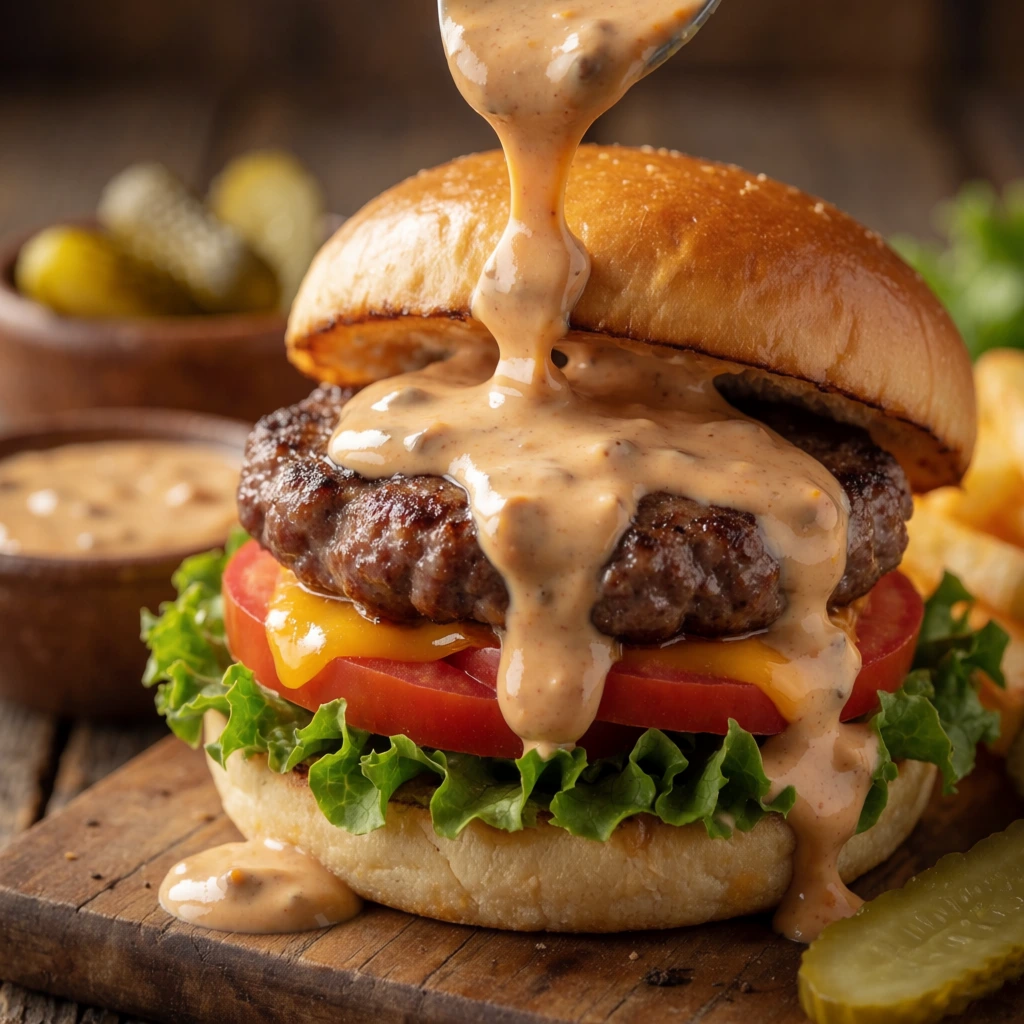
The foundation of a great burger sauce lies in a handful of everyday ingredients.
Each component serves an important purpose.
Ingredient Table
| Ingredient | Quantity | Purpose |
|---|---|---|
| Mayonnaise | 1 cup | Creamy base |
| Ketchup | ¼ cup | Sweetness |
| Mustard | 1 tablespoon | Tangy flavor |
| Pickle relish | 2 tablespoons | Texture and acidity |
| Vinegar | 1 teaspoon | Brightness |
| Garlic powder | ½ teaspoon | Savory notes |
| Onion powder | ½ teaspoon | Depth |
| Paprika | ¼ teaspoon | Mild smokiness |
| Black pepper | To taste | Seasoning |
These ingredients combine beautifully to create a balanced sauce that complements burgers perfectly.
Why Mayonnaise Is Important
Mayonnaise provides richness and body.
Without it, the sauce lacks the creamy texture that makes burger sauce so satisfying.
High-quality mayonnaise usually produces superior results.
Some cooks prefer using:
- Full-fat mayonnaise
- Avocado oil mayonnaise
- Olive oil mayonnaise
- Light mayonnaise
Each option creates subtle differences in flavor.
Ketchup Adds Sweetness
Ketchup introduces sweetness and acidity.
It also contributes the familiar color associated with traditional burger sauce.
Some people choose reduced-sugar ketchup for a lighter version.
Others prefer organic varieties.
Both work exceptionally well.
Mustard Provides Balance
Mustard cuts through richness.
Its sharpness helps balance creamy ingredients.
Yellow mustard remains the most common choice.
However, you can experiment with:
- Dijon mustard
- Spicy brown mustard
- Honey mustard
These alternatives create interesting flavor variations.
Pickles and Relish
Relish is often overlooked, but it plays a major role.
It contributes:
- Texture
- Acidity
- Sweetness
- Crunch
Dill relish creates a tangier sauce.
Sweet relish offers a slightly milder profile.
Fresh chopped pickles can also replace relish.
Easy Steps to Make Hamburger Sauce at Home
This recipe is popular because of its simple preparation.
There is no cooking involved.
No complicated preparation.
Only a few minutes stand between you and a delicious homemade condiment.
Step 1: Gather Your Ingredients
Before mixing, assemble everything you’ll need.
Equipment
- Medium bowl
- Measuring spoons
- Whisk
- Rubber spatula
- Storage jar
Organization helps speed up preparation.
Step 2: Add Base Ingredients
Place mayonnaise into a bowl.
Add ketchup.
Mix until fully incorporated.
At this stage, the sauce will already begin developing its signature color.
Step 3: Add Flavor Components
Next, add:
- Mustard
- Relish
- Vinegar
- Garlic powder
- Onion powder
- Paprika
- Black pepper
Whisk thoroughly.
Continue stirring until the mixture becomes smooth.
Step 4: Taste and Adjust
Flavor preferences vary greatly.
You might enjoy:
More tanginess?
Add extra mustard.
Want additional sweetness?
Increase ketchup slightly.
Prefer heat?
Incorporate hot sauce or cayenne pepper.
Taste testing ensures the sauce matches your personal preferences.
Step 5: Refrigerate
The sauce can be used immediately, but letting it chill improves the flavor significantly.
Allow the sauce to rest for:
30 minutes minimum
Many cooks prefer refrigerating it overnight.
This allows ingredients to meld together.
The result is a richer, more cohesive flavor profile.
Homemade Hamburger Sauce Recipe
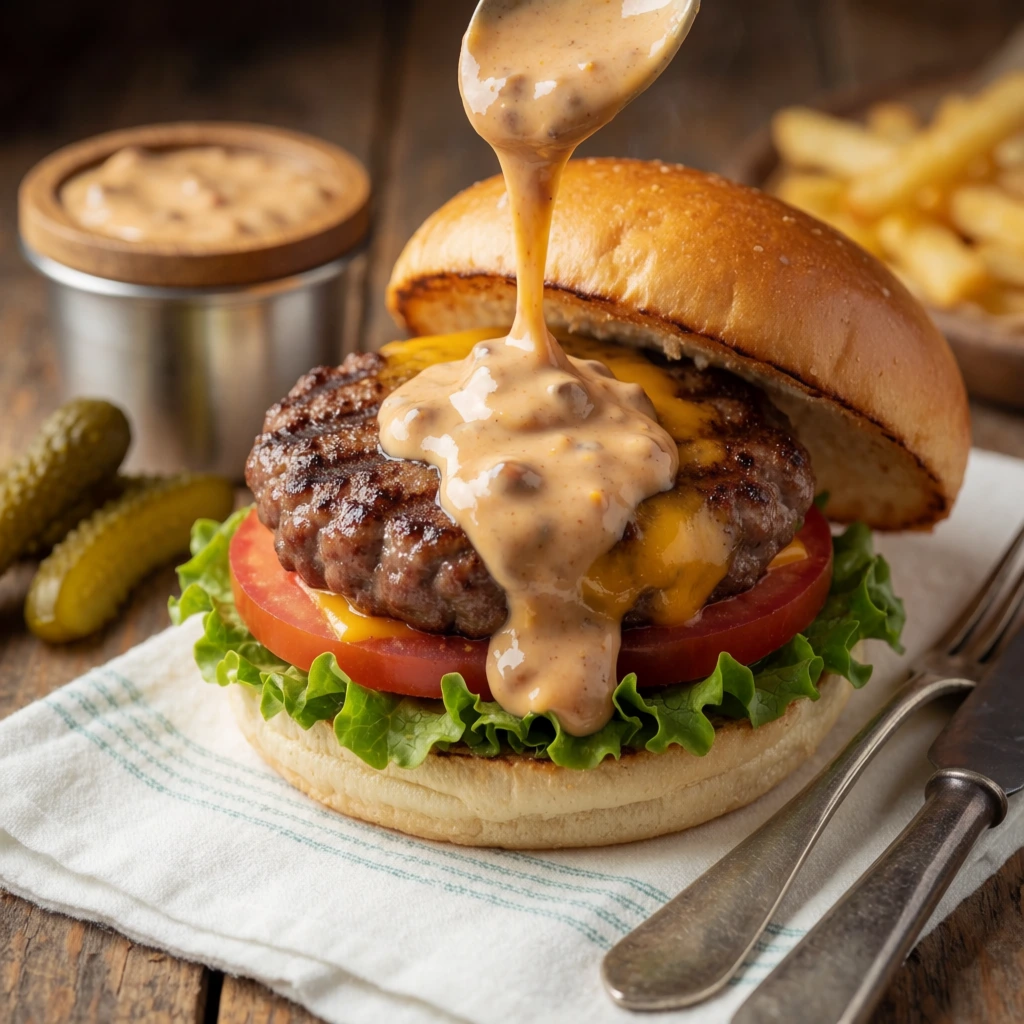
Ingredients
| Ingredient | Amount |
|---|---|
| Mayonnaise | 1 cup |
| Ketchup | ¼ cup |
| Yellow mustard | 1 tablespoon |
| Pickle relish | 2 tablespoons |
| White vinegar | 1 teaspoon |
| Garlic powder | ½ teaspoon |
| Onion powder | ½ teaspoon |
| Paprika | ¼ teaspoon |
| Pepper | ¼ teaspoon |
Directions
- Combine mayonnaise and ketchup.
- Stir until smooth.
- Add remaining ingredients.
- Mix thoroughly.
- Refrigerate for at least thirty minutes.
- Serve on burgers, sandwiches, or fries.
Preparation time:
5 minutes
Chilling time:
30 minutes
Yield:
Approximately 1¼ cups
Best Ways to Use Hamburger Sauce
Most people associate burger sauce exclusively with hamburgers.
However, it is surprisingly versatile.
Burgers
Naturally, burgers remain the most popular application.
Try it on:
- Cheeseburgers
- Bacon burgers
- Smash burgers
- Turkey burgers
- Chicken burgers
- Veggie burgers
The sauce complements virtually every burger style.
Sandwiches
Spread burger sauce onto sandwiches for added moisture and flavor.
Excellent choices include:
- Chicken sandwiches
- Club sandwiches
- Roast beef sandwiches
- Turkey wraps
- Grilled paninis
It can easily replace traditional mayonnaise.
Best Ways to Use Hamburger Sauce
One of the biggest benefits of a homemade hamburger sauce recipe is its versatility. While burgers are the obvious choice, this creamy condiment can enhance many other meals.
Burgers and Cheeseburgers
A classic hamburger sauce belongs on burgers.
It pairs exceptionally well with:
- Traditional cheeseburgers
- Double burgers
- Bacon burgers
- Mushroom Swiss burgers
- Smash burgers
- Turkey burgers
- Grilled chicken burgers
Spread the sauce generously on both sides of a toasted bun for maximum flavor.
Sandwiches and Wraps
Homemade burger sauce works beautifully as a sandwich spread.
Try it with:
- Grilled chicken sandwiches
- Turkey wraps
- Ham sandwiches
- Roast beef subs
- Club sandwiches
- Deli-style wraps
Its creamy consistency helps keep sandwiches moist while adding tangy flavor.
Dipping Sauce for Snacks
You can also use hamburger sauce as a dip.
Popular options include:
- French fries
- Sweet potato fries
- Onion rings
- Chicken tenders
- Mozzarella sticks
- Fried pickles
- Potato wedges
Many people find that homemade burger sauce tastes better than standard ketchup.
Popular Hamburger Sauce Variations
Once you’ve mastered the classic recipe, experimenting with different flavor combinations becomes easy.
Small ingredient adjustments can create entirely new sauces.
Spicy Hamburger Sauce Recipe
If you enjoy heat, this variation delivers extra kick.
Additional Ingredients
| Ingredient | Amount |
|---|---|
| Hot sauce | 1 teaspoon |
| Cayenne pepper | ¼ teaspoon |
| Sriracha | 1 teaspoon |
| Jalapeño | Finely diced |
Flavor Profile
- Creamy
- Spicy
- Slightly smoky
- Bold
This version pairs especially well with grilled burgers and crispy chicken sandwiches.
Smoky Hamburger Sauce
Smoky flavors complement grilled meats perfectly.
Add
- Smoked paprika
- Barbecue sauce
- Chipotle powder
- Liquid smoke
This sauce works wonderfully for backyard cookouts.
Healthy Hamburger Sauce Recipe
You can lighten the recipe without sacrificing flavor.
Ingredient Swaps
| Original Ingredient | Healthier Alternative |
|---|---|
| Mayonnaise | Greek yogurt |
| Full-fat mayo | Light mayonnaise |
| Regular ketchup | Reduced sugar ketchup |
| Relish | Chopped pickles |
Benefits include:
- Fewer calories
- Less fat
- More protein
- Reduced sugar content
Garlic Burger Sauce
Garlic enthusiasts usually opt for a more savory take.
Simply increase:
- Garlic powder
- Fresh minced garlic
- Roasted garlic paste
The result is a rich, flavorful condiment ideal for gourmet burgers.
Pro Tips for Making the Best Hamburger Sauce
Professional chefs often rely on simple techniques to elevate homemade sauces.
These small adjustments can significantly improve your results.
Use High-Quality Ingredients
Better ingredients produce better flavor.
Choose:
- Premium mayonnaise
- Fresh spices
- Good-quality ketchup
- Fresh relish
Even subtle upgrades can make a noticeable difference.
Refrigerate Before Serving
Freshly mixed sauce tastes good.
However, chilled sauce tastes even better.
Allowing it to rest helps flavors develop fully.
Recommended chilling times:
- Minimum: 30 minutes
- Preferred: 2 hours
- Best: Overnight
Season Gradually
Avoid adding too much seasoning at once.
Instead:
- Add small amounts.
- Mix thoroughly.
- Taste.
- Adjust as needed.
This approach prevents overpowering flavors.
Make Larger Batches
Burger sauce stores well.
Preparing a larger batch saves time.
You can use it throughout the week for multiple meals.
Common Mistakes to Avoid
Although hamburger sauce is simple to prepare, a few mistakes can affect the final taste.
Using Too Much Vinegar
Acidity adds brightness.
Too much vinegar creates an overpowering flavor.
Start with a small amount.
Increase only if necessary.
Overusing Mustard
Mustard provides balance.
However, excessive mustard can dominate the sauce.
Maintain a proper ratio between creamy and acidic ingredients.
Skipping Refrigeration
Resting time is important.
Freshly mixed ingredients need time to blend.
Chilling allows flavors to mellow and deepen.
Adding Too Much Sugar
Some recipes include sugar.
Be cautious.
Ketchup already contributes sweetness.
Excess sugar can make the sauce taste artificial.
How to Store Homemade Hamburger Sauce
Proper storage preserves freshness and flavor.
Refrigeration Guidelines
Keep hamburger sauce refrigerated at all times.
Store in:
- Airtight containers
- Glass jars
- Sealed condiment bottles
Storage Table
| Storage Method | Duration |
|---|---|
| Refrigerator | 5–7 days |
| Airtight jar | Best freshness |
| Freezer | Not recommended |
Signs the Sauce Should Be Discarded
Throw away sauce if you notice:
- Sour odor
- Separation
- Discoloration
- Unusual texture
Always use clean utensils to extend shelf life.
Nutritional Information
The exact nutritional values depend on ingredient choices.
Approximate values per serving (2 tablespoons):
| Nutrient | Amount |
|---|---|
| Calories | 90–110 |
| Fat | 9 grams |
| Protein | 1 gram |
| Carbohydrates | 2–3 grams |
| Sodium | Varies |
Using lighter ingredients can reduce calories significantly.
Common Questions About Hamburger Sauce Recipe
What is hamburger sauce made of?
A hamburger sauce recipe is a creamy condiment made from mayonnaise, ketchup, mustard, relish, and seasonings. It enhances burgers, sandwiches, wraps, and side dishes.
How do you make a hamburger sauce recipe at home?
Simply combine mayonnaise, ketchup, mustard, relish, vinegar, and seasonings in a bowl. Mix thoroughly and refrigerate before serving.
What ingredients go into a hamburger sauce recipe?
Traditional ingredients include:
- Mayonnaise
- Ketchup
- Mustard
- Pickle relish
- Garlic powder
- Onion powder
- Vinegar
- Paprika
- Black pepper
Is hamburger sauce the same as burger sauce?
Generally, yes.
The terms are often used interchangeably.
However, some restaurants use proprietary recipes with unique ingredients.
Can I make a spicy hamburger sauce recipe?
Absolutely.
Add ingredients like:
- Hot sauce
- Sriracha
- Cayenne pepper
- Jalapeños
These additions provide extra heat while maintaining creaminess.
How long does homemade hamburger sauce last?
When stored properly in the refrigerator, homemade hamburger sauce typically stays fresh for five to seven days.
Conclusion
A delicious hamburger sauce recipe is one of the easiest ways to elevate homemade burgers and sandwiches. With just a few pantry staples, you can create a creamy, tangy, and flavorful condiment that rivals restaurant favorites.
The beauty of homemade burger sauce lies in its flexibility. You can keep it classic, make it spicy, add smoky flavors, or lighten it up with healthier ingredients. Once you discover your favorite combination, you’ll have a signature sauce ready for burgers, fries, wraps, and countless other meals.
Ready to Upgrade Your Burgers?
Gather your ingredients, mix up a fresh batch of hamburger sauce, and discover how one simple recipe can completely transform your next meal. Experiment with flavors, personalize the recipe to suit your tastes, and enjoy restaurant-quality results right from your own kitchen.

