

Do you remember the comforting aroma of a home-cooked dinner after a long day? For many, ground beef and egg noodles are the ultimate comfort food. This dish is a staple in American kitchens, turning simple ingredients into a warm, satisfying meal.
When life gets busy, you need quick family meals that are tasty and easy. Mastering this recipe is about knowing how a few key ingredients come together. By using quality basics, you can make a hearty meal that everyone will love.
Key Takeaways
- This classic dish is perfect for busy weeknights.
- Using high-quality pantry staples makes the dish taste better.
- The meal brings comfort and nostalgia to the whole family.
- Knowing the core ingredients makes it easy to add your own twist.
- Preparing this dinner quickly saves time without losing flavor.
The Foundation of Ground Beef and Egg Noodles
A steaming bowl of ground beef and egg noodles is a true home cooking classic. It’s a staple in many American kitchens, bringing warmth and comfort. Mastering the basics makes this meal feel both familiar and satisfying.
Understanding the Comfort Food Appeal
This meal is a classic comfort food for a reason. The mix of savory meat and soft pasta is nostalgic. It brings a sense of security and contentment, thanks to its simple ingredients.
Preparing this dish connects you to a long tradition of simplicity and flavor. The contrast between tender noodles and rich beef is key. Here’s why it’s a favorite:
- Nostalgia: It reminds many of family dinners and childhood kitchens.
- Simplicity: It’s easy to make, for any skill level.
- Versatility: It’s a canvas for your favorite herbs and spices.
The Role of Quality Ingredients in Home Cooking
Choosing high-quality ingredients is crucial for a great dish. Fresh, flavorful ingredients make your ground beef and egg noodles unforgettable. Even simple classic comfort food needs quality parts to shine.
Using top-notch beef and pasta changes your cooking. Good ingredients need less work to taste amazing. They let their natural flavors shine. By focusing on these basics, you make cooking a rewarding experience.
Selecting the Best Ground Beef for Your Dish
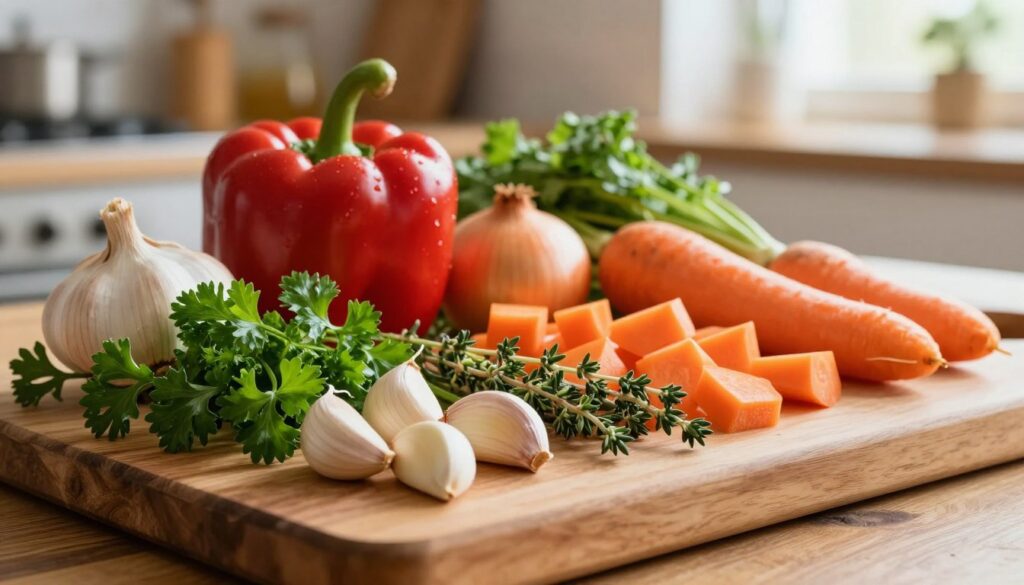
Your journey to the perfect meal starts at the meat counter. Choosing the right protein is key. It affects the flavor and richness of your dish. By picking wisely, you ensure your cooking ground beef turns out great.
Fat Content Ratios and Their Impact on Flavor
The fat in your meat carries flavor. An 80/20 ratio, with 20% fat, is great for classic dishes. It makes a smooth, savory sauce. For a lighter taste, try a 90/10 blend. You might need to add olive oil for extra moisture.
“Quality ingredients are the foundation of every great dish; when you start with superior meat, the rest of the recipe naturally falls into place.”
Freshness Indicators to Look for at the Butcher Counter
At the butcher counter, look for meat that’s bright red. Avoid brown or gray meat, as it’s old. The meat should feel firm, not mushy or slimy.
Check the “sell-by” date for freshness. A clean, neutral smell is a good sign. These checks help you cook at home with high standards.
Alternative Beef Options for Health-Conscious Cooks
For a healthy beef dinner, try grass-fed beef. It tastes earthy and is full of nutrients. Ground sirloin is also lean but still savory.
| Beef Type | Fat Content | Best Use |
|---|---|---|
| 80/20 Chuck | High | Rich, flavorful sauces |
| 90/10 Sirloin | Low | Lean, healthy beef dinner |
| Grass-Fed | Moderate | Premium flavor profiles |
Mastering cooking ground beef needs patience and detail. The right cut makes your meal nutritious and satisfying. Whether you pick a classic or leaner option, quality shows in every bite.
Choosing the Right Type of Egg Noodles
The type of noodle you pick is key for a great meal. It’s like painting a canvas with your sauce. Finding the right egg noodle recipes is crucial for a balanced dish.
Wide Versus Extra-Wide Noodles
The noodle’s width affects how it takes sauce. Wide noodles are classic and light, perfect for thin gravies. Extra-wide noodles are stronger, great for thick, meaty sauces.
“The secret to a great pasta dish lies in the marriage of the sauce’s viscosity and the noodle’s surface area.”
Fresh Versus Dried Pasta Varieties
Choosing between fresh and dried pasta depends on texture and convenience. Dried pasta is always ready, with a firm bite. Homemade noodles are tender and rich, hard to find in stores.
- Dried pasta is great for quick meals because it lasts long.
- Fresh pasta soaks up sauce well, blending flavors.
- Both types can be excellent if cooked right.
Cooking Techniques to Achieve the Perfect Al Dente Texture
To get al dente pasta, watch your timer and water. Noodles should be firm, not mushy. Salt the water well to season the pasta inside.
Drain noodles just before they’re fully tender. They’ll cook a bit more with the sauce. This trick makes your dish feel like it’s from a top restaurant.
Essential Aromatics and Flavor Enhancers
Mastering aromatics can turn a simple meal into a gourmet dish. These ingredients lay the foundation for a complex flavor profile. By using aromatic vegetables, every bite becomes rich and layered.
The Importance of Fresh Onions and Garlic
Onions and garlic are key to your dish. Sautéing them in oil or butter releases natural sugars. This creates a sweet, savory base.
To get the best results, follow these steps:
- Dice your onions into uniform pieces for even cooking.
- Sauté them over medium heat until they turn translucent and soft.
- Add minced garlic during the final minute of cooking to prevent burning.
Using Herbs to Elevate the Flavor Profile
Herbs connect your meat to the savory sauce. They can make your dish brighter and more professional.
Try adding these herbs to enhance your meal:
- Thyme: Adds an earthy, floral note that pairs well with beef.
- Parsley: Provides a fresh, clean finish to balance the richness.
- Rosemary: Offers a bold, pine-like aroma that deepens the overall profile.
Balancing Salt and Pepper for Depth
Seasoning is crucial for a great dish. Salt enhances flavors, while pepper adds a subtle heat. This enhances the umami flavor of the beef.
Season in small amounts as you cook. Taste your food often to adjust salt and pepper. It’s easier to add more seasoning than to fix an over-salted dish.
Creating a Savory Sauce Base
The secret to a top-notch dish often lies in the liquid base. A savory beef sauce is key to tying your meat and noodles together. By focusing on the liquid, you can make your home cooking shine like a pro’s.
Beef Broth Versus Stock for Richness
Choosing the right liquid is crucial for a rich beef broth base. Broth is made from simmered meat, while stock uses bones for a deeper feel. High-quality stock adds richness without extra work.
For a lighter taste, regular broth is fine. But for deeper flavors, concentrated stock is better. Always check the liquid’s salt before adding more, as store-bought can vary a lot.
The Role of Worcestershire Sauce and Soy Sauce
Secret flavor enhancers like Worcestershire sauce and soy sauce are key. Worcestershire adds a tangy depth, while soy sauce gives a subtle umami punch. They make your dish taste like it simmered for hours.
Just a little of these sauces can make a big difference. But be careful, as they are strong.
Thickening Agents for a Creamy Consistency
Getting the right creamy beef pasta consistency is all about thickening. You can use different agents to make your sauce velvety. Here are some top picks for your kitchen.
| Thickening Agent | Best Use Case | Texture Result |
|---|---|---|
| All-Purpose Flour | Classic roux base | Thick and opaque |
| Cornstarch | Gluten-free needs | Glossy and smooth |
| Heavy Cream | Rich finishing | Velvety and indulgent |
| Arrowroot Powder | Light sauces | Clear and stable |
When making your creamy beef pasta, mix your thickener with cold liquid first. This avoids lumps and gives a smooth finish. A good beef broth base and these tips ensure a great meal every time.
Incorporating Vegetables for Texture and Nutrition
Adding fresh produce to your meal can make it vibrant and healthy. It brings colors and flavors that make your dish stand out. This way, you create a meal that looks good and is full of nutrients.
Adding Peas and Carrots for Color
Peas and carrots add a bright touch to your skillet. They have a sweet taste that complements the beef well.
For ease, use frozen peas and carrots. They’re frozen at their best. Just add them for the last few minutes to keep them tender.
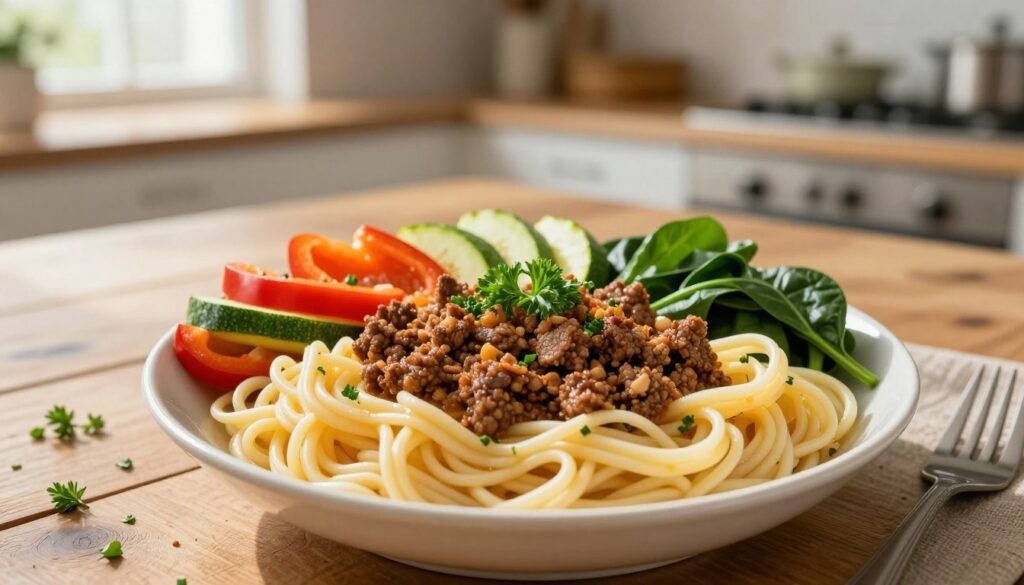
Sautéing Mushrooms for Umami Depth
Mushrooms are key for a perfect texture. Cooking them in a hot pan makes them tender and adds a rich flavor.
Pro tip: Cook mushrooms in batches. This helps them brown well instead of steaming.
When to Add Vegetables to Maintain Crispness
Timing is crucial for keeping vegetables crisp. Add soft veggies like peas last. Harder veggies like carrots or bell peppers need a bit more time.
Here’s a guide to get your veggies just right:
| Vegetable | Preparation | Cooking Time | Texture Goal |
|---|---|---|---|
| Carrots | Diced small | 4-5 minutes | Tender-crisp |
| Mushrooms | Sliced thin | 6-8 minutes | Golden brown |
| Peas | Thawed | 2 minutes | Bright and soft |
| Bell Peppers | Chopped | 3-4 minutes | Firm and vibrant |
By controlling cooking times, you get a balanced meal. This effort makes your dinner both delicious and nutritious for your family.
Mastering the Cooking Process for Ground Beef and Egg Noodles
To make a meal like a restaurant at home, you need to master heat and timing. Focus on these skills to make your ground beef and egg noodles delicious every time. Good preparation makes a big difference in your meal.
Browning the Meat Properly
The first step in cooking ground beef is getting a deep, golden-brown sear. Use a heavy-bottomed skillet and don’t overcrowd it. This lets moisture evaporate, not steam the meat. High heat is key for a rich flavor.
Deglazing the Pan to Capture Flavor
After browning the meat, you’ll see flavorful brown bits at the bottom of your skillet. This is called fond and it’s full of umami. Pour a bit of broth or wine into the pan to lift these bits. Use a wooden spoon to scrape the bottom and mix them into your sauce.
Combining the Noodles and Sauce for Uniform Coating
When your sauce is ready, add the cooked noodles. Fold the pasta into the skillet gently. This makes sure every strand is coated in the flavorful sauce.
Managing Heat Levels During the Final Simmer
After mixing the ingredients, lower the heat to a low setting. A gentle simmer blends the flavors without drying out the sauce. Watch the pan closely, as too much heat can change the taste.
Preventing Overcooked or Mushy Noodles
To keep the perfect dinner texture, watch your timing. It’s often better to slightly undercook your noodles before adding them to the sauce. They will soften more while simmering. This trick helps prevent mushy noodles.
| Cooking Stage | Primary Goal | Key Technique |
|---|---|---|
| Browning | Flavor Development | High heat, no crowding |
| Deglazing | Fond Recovery | Liquid addition, scraping |
| Simmering | Flavor Integration | Low heat, gentle folding |
Tips for Customizing Your Classic Recipe
Want to shake up your dinner routine? Try adding some creative twists to your cooking. Once you master the basics, it’s easy to make the dish your own. These tweaks keep your classic comfort food exciting and new every time.
Adding Dairy for a Creamy Finish
For a luxurious feel, add heavy cream or sour cream at the end. This makes your creamy beef pasta feel extra special. Remember to cool the pan first to avoid curdling the dairy.
Incorporating Cheese for Extra Indulgence
Cheese can really elevate your egg noodle recipes. Try adding Parmesan for a salty kick or mozzarella for a gooey texture. Here are some cheeses to consider:
- Sharp Cheddar: Brings a bold, tangy taste.
- Gruyère: Adds a sophisticated, nutty flavor.
- Parmesan: Boosts the dish’s umami.
Spicing Up Your Dish with Red Pepper Flakes
For a spicy twist, add red pepper flakes. You can mix them in during cooking or sprinkle them on top. This lets you adjust the heat to please everyone at your table, making your creamy beef pasta perfect for all.
Conclusion
Cooking a hearty bowl of ground beef and egg noodles brings warmth to any dining table. You now know how to pick the best ingredients and improve your cooking skills. This ensures you get great results every time.
Using top-quality beef and fresh pasta makes your home cooking better. These easy steps help you make quick meals that everyone loves. You feel more confident as you mix savory flavors and rich sauces in your kitchen.
Try adding different herbs or cheeses to make the dish your own. This lets you keep dinner exciting and tasty. These quick meals become a staple in your weekly menu.
Share your favorite versions with friends or family to share the joy of cooking. You can turn simple ingredients into a memorable meal. Enjoy improving your cooking with every dish you make.

