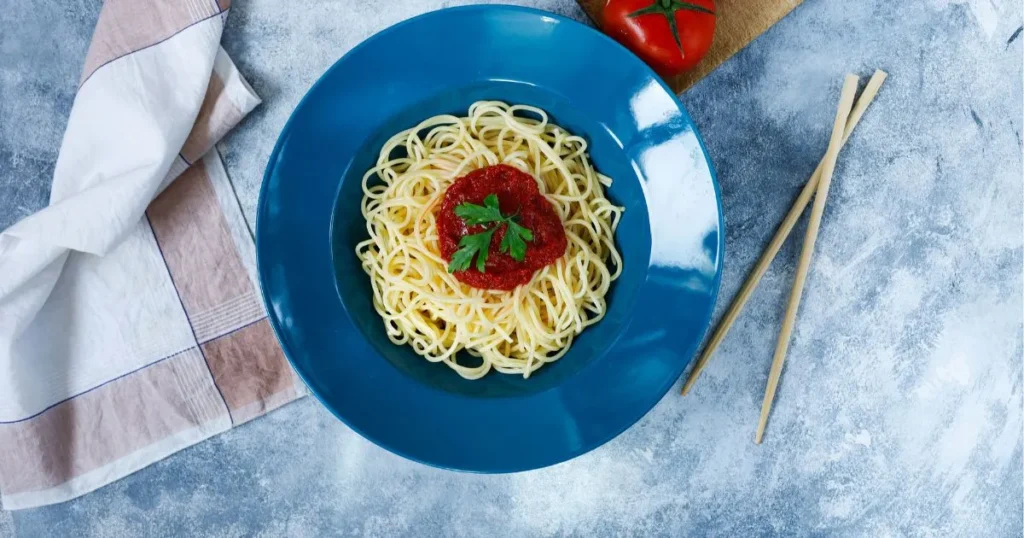
There’s something special about the aroma of spaghetti sauce slowly bubbling away on the stove. It fills your kitchen with the comforting scents of tomatoes, garlic, onions, and herbs, creating the kind of anticipation that makes everyone ask, “When’s dinner ready?” Whether you’re cooking a family meal on a busy weeknight or preparing a traditional Sunday dinner, homemade spaghetti sauce transforms simple ingredients into a rich and satisfying dish.
If you’ve always relied on jarred pasta sauce, you’re in for a pleasant surprise. Making spaghetti sauce from scratch is easier than many people think, and the results are well worth the extra effort. You control the ingredients, adjust the seasonings to your taste, and create a sauce that’s fresher, healthier, and bursting with authentic flavor.
In this complete guide, you’ll discover what spaghetti sauce is, how it differs from other tomato sauces, the ingredients that create the best flavor, and the step-by-step process for making a delicious homemade version that your family will request again and again.
What Is Spaghetti Sauce?
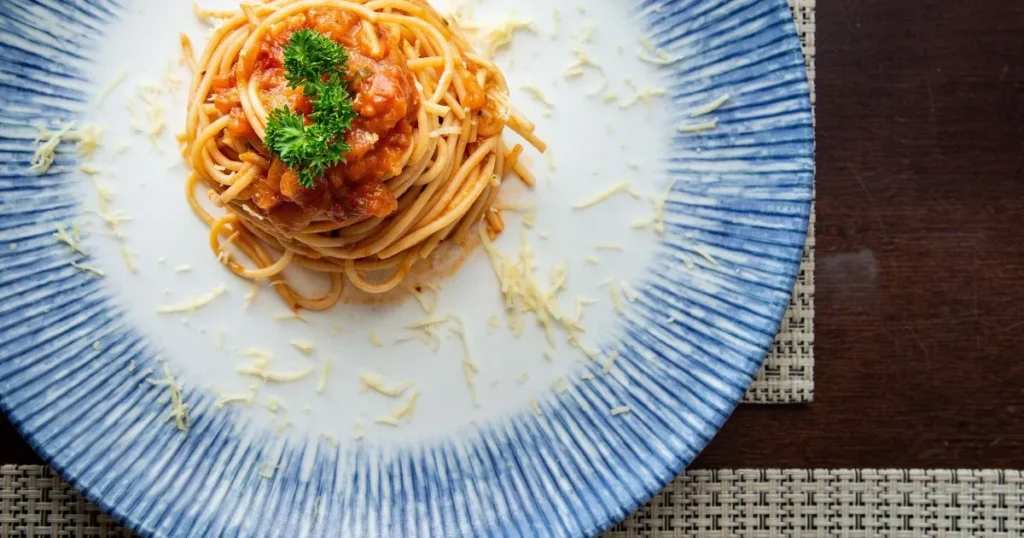
Spaghetti sauce is a tomato-based sauce traditionally served with spaghetti and other pasta dishes. It typically combines tomatoes, onions, garlic, olive oil, herbs, and seasonings that are slowly simmered to create a rich, balanced flavor.
While the basic recipe is simple, spaghetti sauce is incredibly versatile. Some recipes include ground beef, Italian sausage, mushrooms, bell peppers, or even red wine to add depth and complexity.
Unlike some lighter pasta sauces, spaghetti sauce is usually simmered longer, allowing the flavors to blend together while naturally thickening the sauce.
Spaghetti Sauce vs. Marinara Sauce
Many people use these names interchangeably, but there are some differences.
| Feature | Spaghetti Sauce | Adds a rich tomato base |
|---|---|---|
| Texture | Creates a robust, hearty sauce | Light and smooth |
| Cooking Time | 1–3 hours | 20–45 minutes |
| Ingredients | Often includes extra herbs, vegetables, or meat | Simple tomatoes, garlic, olive oil, basil |
| Flavor | Adds savory depth | Fresh and bright |
Marinara is excellent when you need a quick meal, while spaghetti sauce develops a richer flavor through longer cooking.
Why You’ll Love Homemade Spaghetti Sauce
Once you make spaghetti sauce from scratch, you’ll understand why so many home cooks never go back to store-bought versions.
Fresh Flavor
Fresh onions, garlic, herbs, and quality tomatoes create layers of flavor that bottled sauces often can’t match.
Budget-Friendly
A large pot of homemade spaghetti sauce costs less than buying several premium jars and provides multiple meals.
Easy to Customize
You can adjust the ingredients to suit your preferences.
For example, you can make it:
- Vegetarian
- Vegan
- Spicy
- Meaty
- Low-sodium
- Gluten-free
Perfect for Meal Prep
Spaghetti sauce stores well in both the refrigerator and freezer, making it an excellent choice for busy weeks.
Essential Ingredients for the Best Homemade Spaghetti Sauce
The secret to exceptional spaghetti sauce isn’t complicated ingredients—it’s using quality ingredients and allowing them time to develop flavor.
Recipe Ingredients
| Ingredient | Amount | Benefit |
|---|---|---|
| Olive oil | 2 tablespoons | Sautéing vegetables |
| Yellow onion | 1 medium, diced | Flavor base |
| Garlic | 4 cloves, minced | Aroma and depth |
| Crushed tomatoes | 2 (28-ounce) cans | Main ingredient |
| Tomato sauce | 1 (15-ounce) can | Smooth consistency |
| Tomato paste | 2 tablespoons | Helps thicken the sauce |
| Italian seasoning | 2 teaspoons | Herbal blend |
| Dried basil | 1 teaspoon | Traditional Italian flavor |
| Dried oregano | 1 teaspoon | Provides a warm, earthy aroma |
| Salt | To taste | Provides a savory finish |
| Black pepper | To taste | Balances acidity |
| Sugar (optional) | 1 teaspoon | Reduces tomato acidity |
| Fresh basil | ¼ cup, chopped | Fresh finish |
| Parmesan cheese | Optional | Sprinkle on top before serving. |
Ingredient Tips
Choose Quality Tomatoes
Tomatoes make up the majority of your sauce, so their quality matters.
Many cooks prefer:
- San Marzano tomatoes
- Fire-roasted tomatoes
- Vine-ripened canned tomatoes
These varieties often provide richer flavor with less acidity.
Fresh vs. Dried Herbs
Dried herbs work well during simmering because they release flavor slowly.
Fresh herbs, however, should usually be added near the end of cooking to preserve their aroma.
Should You Add Sugar?
Not always.
If your tomatoes taste particularly acidic, a small amount of sugar helps balance the flavor.
Alternatively, finely grated carrots provide natural sweetness without refined sugar.
Fresh Tomatoes vs. Canned Tomatoes
Both options produce delicious spaghetti sauce, but each has advantages.
| Feature | Fresh Tomatoes | Canned Tomatoes |
|---|---|---|
| Flavor | Best during summer | Consistent year-round |
| Preparation | More peeling and chopping | Ready to use |
| Cooking Time | Longer | Shorter |
| Cost | Seasonal | Affordable year-round |
If fresh tomatoes are out of season, high-quality canned tomatoes often produce better results.
Essential Kitchen Equipment
Fortunately, homemade spaghetti sauce requires only basic kitchen tools.
You’ll need:
- Large saucepan or Dutch oven
- Wooden spoon
- Chef’s knife
- Cutting board
- Measuring cups
- Measuring spoons
- Blender or immersion blender (optional)
If you enjoy a smoother sauce, an immersion blender allows you to puree part or all of the sauce without transferring it to another container.
How to Make Spaghetti Sauce at Home
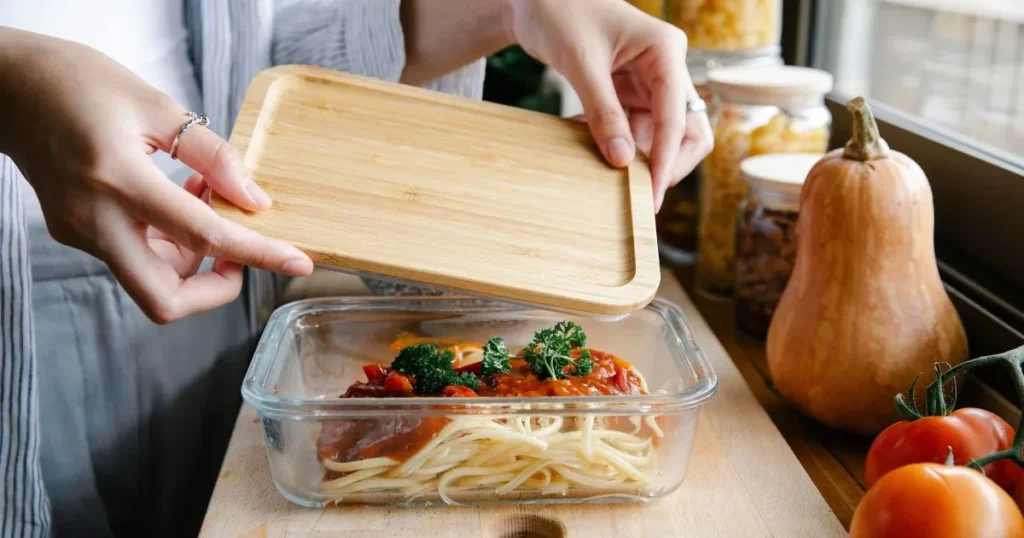
Creating homemade spaghetti sauce is less about complicated techniques and more about allowing simple ingredients to develop flavor over time.
Step 1: Prepare the Ingredients
Before turning on the stove, prepare all of your ingredients.
Dice the onion into small, even pieces.
Mince the garlic finely.
Measure your dried herbs and seasonings.
Having everything ready makes the cooking process much more enjoyable and prevents overcooking.
Step 2: Sauté the Aromatics
Heat the olive oil in your large pot over medium heat.
Add the diced onions.
Cook for about 5 to 7 minutes, stirring occasionally until they become soft and translucent.
Next, stir in the garlic.
Cook for another 30 to 60 seconds.
Avoid letting the garlic brown too much because burnt garlic creates bitterness that can affect the entire sauce.
This simple combination of onions and garlic forms the flavor foundation of nearly every great spaghetti sauce.
Step 3: Add the Tomatoes
Once the aromatics are fragrant, stir in:
- Crushed tomatoes
- Tomato sauce
- Tomato paste
Mix thoroughly until the tomato paste dissolves completely.
The tomato paste not only thickens the sauce but also adds concentrated tomato flavor that develops beautifully during simmering.
Step 4: Season the Sauce
Now add:
- Italian seasoning
- Dried basil
- Dried oregano
- Salt
- Black pepper
- Sugar (if needed)
Stir well to distribute the herbs evenly throughout the sauce.
As the sauce cooks, the herbs gradually release their essential oils, giving your spaghetti sauce its classic Italian-inspired flavor.
Step 5: Simmer Slowly
Bring the sauce to a gentle simmer.
Reduce the heat to low.
Cover the pot partially with a lid, leaving a small opening for steam to escape.
Allow the sauce to simmer gently, stirring every 15 to 20 minutes.
Patience is one of the most important ingredients in homemade spaghetti sauce. The longer it simmers, the more balanced and flavorful it becomes.
Spaghetti Sauce: What Is It and How Do You Make It at Home?
Step 6: Taste and Adjust the Seasoning
After your sauce has simmered for at least 30 minutes, it’s time to taste it. This is your opportunity to fine-tune the flavor before serving.
Depending on your tomatoes and personal preference, you may want to add:
- A pinch of salt to enhance the overall flavor
- Freshly ground black pepper for a little warmth
- A small pinch of sugar if the tomatoes taste overly acidic
- Chopped fresh basil adds a bright, fresh finish.
- Top with a little extra virgin olive oil for a rich, silky finish.
If the sauce tastes too thick, stir in a small amount of water, vegetable broth, or pasta cooking water until it reaches your desired consistency.
The Perfect Cooking Time for Homemade Spaghetti Sauce
The cooking time plays a major role in the final flavor and texture of homemade spaghetti sauce. While a quick sauce can be ready in about 30 minutes, allowing it to simmer longer creates a deeper, richer taste.
Cooking Time Guide
| Cooking Method | Approximate Time | Results |
|---|---|---|
| Quick Weeknight Sauce | 30 minutes | Fresh tomato flavor |
| Traditional Homemade Sauce | 1–2 hours | Rich, balanced flavor |
| Slow-Simmered Sauce | 3–4 hours | Deep, complex flavor |
Why Longer Simmering Helps
As the sauce cooks:
- Excess moisture evaporates.
- Tomatoes become sweeter.
- Herbs blend more evenly.
- Garlic and onions mellow.
- The sauce naturally thickens.
If you have the time, aim for at least one hour of gentle simmering.
Expert Tips for the Best Homemade Spaghetti Sauce
Restaurant-quality spaghetti sauce doesn’t require fancy ingredients—it comes from mastering simple techniques and using them consistently.
1. Start with Quality Tomatoes
Because tomatoes are the main ingredient, they have the biggest impact on flavor.
Look for:
- San Marzano-style tomatoes
- Vine-ripened canned tomatoes
- Crushed tomatoes with no added sugar
2. Cook Low and Slow
Avoid boiling the sauce.
A gentle simmer allows flavors to develop gradually without scorching the tomatoes.
3. Sauté the Onion Before the Garlic
Garlic cooks much faster than onions.
If you add both at the same time, the garlic may burn before the onions soften.
Cook onions first, then stir in the garlic during the final minute.
4. Don’t Rush the Herbs
Allow dried herbs time to infuse the sauce with their full flavor.
Fresh herbs should be added near the end to preserve their aroma and color.
5. Taste Throughout Cooking
Your sauce changes as it simmers.
Taste it every 20 to 30 minutes and adjust the seasoning if necessary.
6. Use Pasta Water
Before draining your pasta, save about one cup of the cooking water.
Adding a small amount to the sauce helps it cling better to the pasta because the starchy water creates a smoother consistency.
7. Let the Sauce Rest
After turning off the heat, allow the sauce to rest for 10 to 15 minutes.
This short resting period allows the flavors to settle and blend even further.
Common Mistakes to Avoid
Even experienced home cooks occasionally make mistakes that affect the flavor of spaghetti sauce.
Burning the Garlic
Garlic burns quickly.
Burnt garlic creates bitterness that spreads throughout the sauce.
Always cook it briefly over medium heat.
Cooking Over High Heat
Boiling the sauce too aggressively can cause uneven cooking and may scorch the bottom of the pot.
A slow simmer produces much better results.
Skipping Tomato Paste
Tomato paste adds concentrated tomato flavor and helps create a thicker, richer sauce.
Without it, the sauce may taste thinner and less robust.
Over-Seasoning Too Early
As the sauce cooks, liquid evaporates and flavors become more concentrated.
If you add too much salt at the beginning, the finished sauce may become overly salty.
Season gradually.
Using Watery Tomatoes
Low-quality tomatoes often contain excess liquid and less natural sweetness.
Choosing high-quality canned tomatoes usually results in a noticeably better sauce.
Forgetting to Stir
A thick tomato sauce can stick to the bottom of the pot during long simmering.
Stir every 15 to 20 minutes to prevent scorching.
Easy Variations of Homemade Spaghetti Sauce
One of the best things about homemade spaghetti sauce is how easy it is to personalize.
Classic Italian Spaghetti Sauce
Keep it simple with:
- Tomatoes
- Garlic
- Onion
- Olive oil
- Basil
- Oregano
This timeless version pairs well with almost any pasta.
Meat Spaghetti Sauce
For a heartier meal, brown one pound of:
- Ground beef
- Italian sausage
- Ground turkey
- Ground chicken
Drain excess fat before adding the tomatoes.
The meat adds richness and extra protein.
Vegetarian Spaghetti Sauce
Increase the vegetables by adding:
- Mushrooms
- Bell peppers
- Zucchini
- Carrots
- Spinach
These ingredients add texture, nutrients, and natural sweetness.
Spicy Arrabbiata-Style Sauce
If you enjoy spicy food, stir in:
- Crushed red pepper flakes
- Cayenne pepper
- Fresh chili peppers
Start with a small amount and adjust the heat gradually.
Creamy Tomato Sauce
For a richer texture, stir in:
- Heavy cream
- Half-and-half
- Cream cheese
- Mascarpone cheese
The result is a silky tomato sauce that’s excellent with penne or fettuccine.
Slow Cooker Spaghetti Sauce
You can also prepare spaghetti sauce in a slow cooker.
After sautéing the onions and garlic, transfer everything to the slow cooker.
Cook:
- Low: 6 to 8 hours
- High: 3 to 4 hours
This method develops exceptional flavor with very little effort.
What to Serve with Homemade Spaghetti Sauce
While spaghetti is the classic choice, your homemade sauce pairs beautifully with many dishes.
Pasta Options
- Spaghetti
- Linguine
- Fettuccine
- Penne
- Rigatoni
- Rotini
- Angel hair
- Pappardelle
Side Dishes
Complete your meal with one or more of these favorites:
- Garlic bread
- Homemade breadsticks
- Caesar salad
- Garden salad
- Roasted broccoli
- Sautéed spinach
- Grilled zucchini
- Parmesan cheese
A simple green salad balances the richness of the tomato sauce and creates a satisfying meal.
How to Store Homemade Spaghetti Sauce
Homemade spaghetti sauce stores extremely well, making it perfect for meal prep.
Refrigerator Storage
Allow the sauce to cool completely before transferring it to airtight containers.
Store it in the refrigerator for:
Up to 4 days
Many people notice the flavor improves after sitting overnight because the herbs continue blending with the tomatoes.
Freezing Homemade Spaghetti Sauce
Spaghetti sauce freezes exceptionally well.
For best results:
- Let the sauce cool completely.
- Divide it into meal-sized portions.
- Use freezer-safe containers or freezer bags.
- Label each container with the date.
The sauce keeps well for:
Up to 3 months
Thaw overnight in the refrigerator before reheating.
Reheating Instructions
To reheat on the stovetop:
- Pour the sauce into a saucepan.
- Heat over medium-low heat.
- Stir occasionally until fully warmed.
If the sauce has thickened during storage, add a splash of water, broth, or reserved pasta water until it reaches your preferred consistency.
For microwave reheating, warm in 30-second intervals, stirring between each interval for even heating.

