
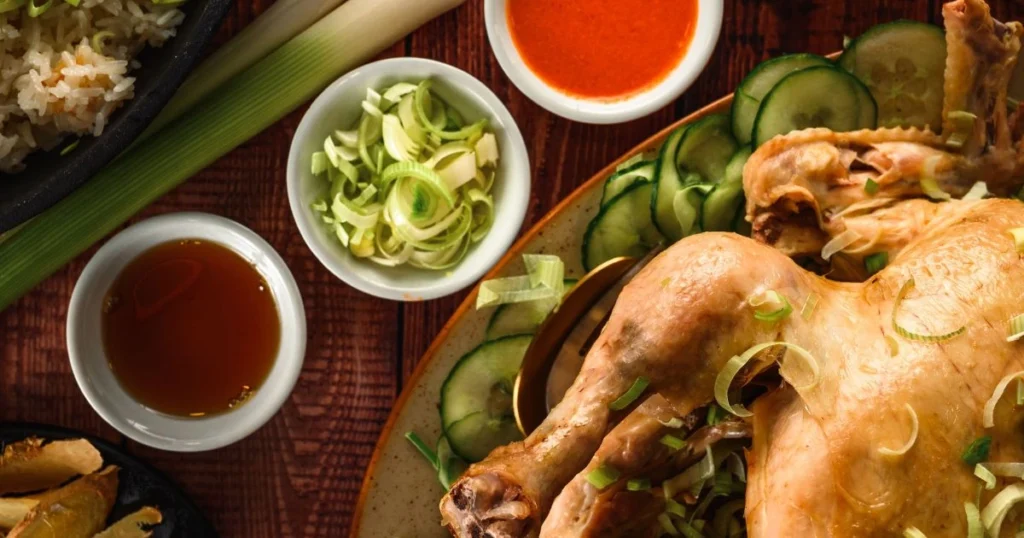
There is something deeply comforting about a roast chicken dinner with warm gravy poured over the top. If you usually look at the juices left in the roasting pan as something to clean up, you may be missing one of the easiest ways to add serious flavor to your meal.
Those golden chicken drippings can become the foundation of a smooth, savory homemade gravy. With a little flour, chicken stock, and a few minutes at the stove, you can turn them into a sauce that brings mashed potatoes, roasted vegetables, biscuits, and chicken together.
The best part? You don’t need complicated ingredients or special equipment. Once you understand how to make gravy using chicken drippings, you can adjust the consistency and seasoning to suit your dinner.
Table of Contents
What Is Gravy Made With Chicken Drippings?

Chicken drippings are the flavorful juices and rendered fat left behind after roasting or cooking chicken. They can contain chicken fat, natural juices, seasoning, and browned pieces from the bottom of the roasting pan.
These browned bits are particularly useful because they can give your gravy a deeper roasted flavor.
Why Chicken Drippings Add So Much Flavor
When chicken roasts, its juices combine with the seasonings and browned portions of the pan. Using those drippings instead of starting with plain stock gives your gravy a more developed flavor.
Your drippings may contain:
- Rendered chicken fat
- Concentrated chicken juices
- Seasonings from the chicken
- Browned bits from the roasting pan
- Small amounts of caramelized onion or herbs
Before making the gravy, strain out large burnt pieces or unwanted solids. Small flavorful browned pieces, however, can be worth keeping.
Ingredients for Gravy Using Chicken Drippings
You only need a handful of ingredients for this easy chicken gravy recipe.
Chicken Drippings Gravy Ingredients
| Ingredient | Amount | Purpose |
|---|---|---|
| Chicken drippings | ¼–½ cup | Provides the main chicken flavor |
| Unsalted butter | 2 tbsp, if needed | Adds richness and helps form the roux |
| All-purpose flour | 2 tbsp | Thickens the gravy |
| Chicken stock | 1½–2 cups | Creates the liquid base |
| Salt | To taste | Balances the flavor |
| Black pepper | To taste | Adds seasoning |
| Garlic powder | ¼ tsp, optional | Adds extra savory flavor |
| Fresh thyme or sage | 1 tsp, optional | Adds an herbal note |
The amount of chicken drippings you have can vary, so don’t worry if your measurements aren’t exactly the same. The important thing is to taste the gravy as you cook and adjust it.
How Do You Make Gravy Using Chicken Drippings?
Making gravy using chicken drippings is mostly about getting the order of the steps right. Start with the fat and flour, gradually add the liquid, and then allow the gravy to simmer until it reaches the consistency you want.
Step 1 — Collect and Strain the Chicken Drippings
After removing your roasted chicken from the pan, carefully pour the liquid into a heatproof measuring cup or bowl.
Let it sit briefly so the fat can separate from the juices. If you have a large amount of fat, you can remove some with a spoon.
Strain the drippings if necessary to remove:
- Burnt pieces
- Large pieces of skin
- Bones or unwanted solids
Don’t automatically discard all the browned material. The flavorful browned bits can contribute to a richer chicken pan gravy.
Step 2 — Make a Roux With the Chicken Fat
A roux is a simple mixture of fat and flour used to thicken sauces and gravies.
Place about two tablespoons of chicken fat into a saucepan over medium heat. If you don’t have enough chicken fat, add a little unsalted butter.
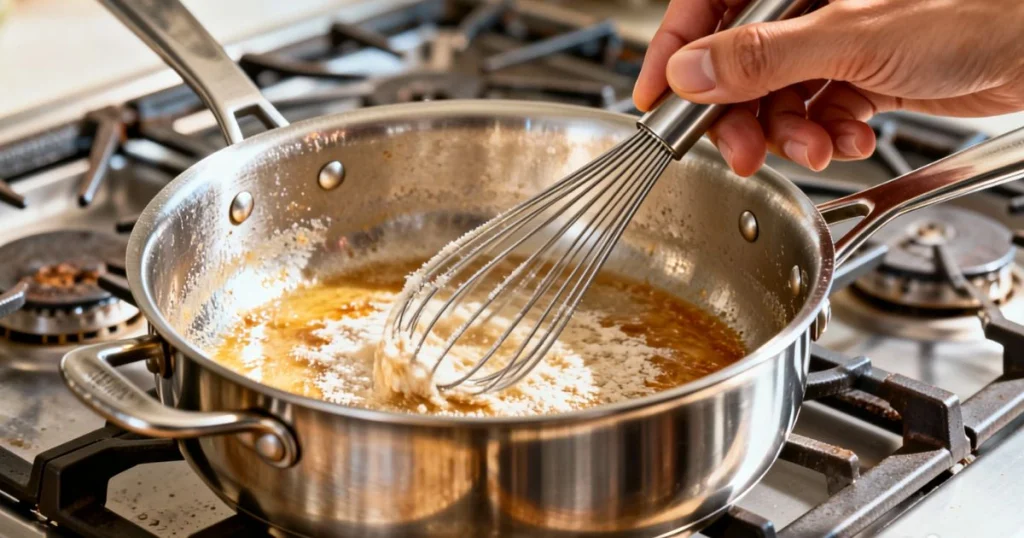
Whisk in two tablespoons of flour and cook for around a minute or two, stirring continuously.
What Is a Roux?
A roux combines flour with fat before liquid is added. Cooking the flour briefly helps remove its raw taste while creating the base that will thicken your gravy.
Keep the heat moderate. If the flour becomes very dark or starts to smell burnt, the flavor can carry into the finished gravy.
Step 3 — Slowly Add Chicken Stock
This is one of the most important steps if you want smooth gravy.
Add a small splash of chicken stock to the roux while whisking constantly. Once it becomes smooth, gradually add more stock.
Continue whisking as you add the liquid.
Avoid pouring all the stock in at once. Gradual addition gives the flour mixture more opportunity to blend smoothly.
Step 4 — Add the Chicken Drippings
Once your stock has been incorporated, add the strained chicken juices.
Stir well and allow the flavors to combine.
At this point, don’t immediately add a lot of salt. Your chicken drippings and stock may already contain plenty of seasoning.
Add black pepper and optional herbs such as thyme or sage.
Step 5 — Simmer Until the Chicken Gravy Thickens
Bring the gravy to a gentle simmer rather than a vigorous boil.
Cook for several minutes, stirring regularly, until it reaches the consistency you like.
How Do You Know When Chicken Gravy Is Ready?
Your gravy should:
- Look smooth and glossy
- Coat the back of a spoon
- Pour easily
- Be thick enough to cling to food without becoming paste-like
Remember that gravy often becomes slightly thicker as it cools.
How to Get Richer Flavor From Chicken Drippings

If you want your gravy from chicken drippings to taste even more flavorful, you can build additional layers into the recipe.
Use the Browned Bits From the Roasting Pan
The brown pieces stuck to the bottom of the roasting pan can contain concentrated roasted flavor.
Before adding your stock, you can deglaze the pan with a small amount of stock and scrape the bottom with a wooden spoon.
Add Aromatics
You can also sauté finely chopped aromatics before making the gravy.
Try:
- Onion
- Shallot
- Garlic
- Fresh thyme
- Sage
- Rosemary
You don’t need all of them. One or two complementary ingredients can be enough.
Deglaze the Roasting Pan
If your roasting pan is suitable for stovetop use, add a small amount of stock and gently scrape the browned pieces from the bottom.
Those pieces can dissolve into the liquid and give your homemade chicken gravy additional roasted flavor.
How Thick Should Homemade Chicken Gravy Be?
The ideal consistency depends on what you’re serving.
For mashed potatoes, you generally want a gravy that is thick enough to sit on top while still flowing easily. For biscuits, you may prefer something slightly thicker.
How to Thicken Chicken Gravy
If your gravy is too thin, try:
- Simmering it for a few additional minutes.
- Allowing some of the liquid to evaporate.
- Adding a little more thickener if necessary.
Don’t add a large amount of flour directly into hot gravy because it can create lumps.
How to Thin Chicken Gravy
If your gravy becomes too thick, gradually whisk in warm chicken stock.
Add a small amount at a time until you reach the desired consistency.
Common Mistakes When Making Gravy Using Chicken Drippings
Even a simple gravy can go wrong if you rush the process.
1. Adding Stock Too Quickly
Dumping the liquid into the roux all at once can make it harder to achieve a smooth texture.
2. Using Too Much Salt
Taste first. Chicken drippings, stock, and seasoning from the original chicken can all contribute salt.
3. Burning the Roux
Cook the flour and fat over moderate heat. A burnt roux can give the finished gravy a bitter flavor.
4. Not Whisking
Keep your whisk moving as you incorporate the stock, particularly during the first additions.
5. Ignoring the Pan Juices
If you have flavorful chicken juices available, don’t waste them. They are one of the main reasons this type of gravy tastes different from gravy made entirely from plain stock.
How to Fix Chicken Gravy Problems
If your gravy isn’t turning out exactly as expected, don’t panic. Most problems can be corrected.
| Problem | Likely Cause | What You Can Do |
|---|---|---|
| Too thin | Not enough thickening or simmering | Simmer longer |
| Too thick | Too much flour or reduction | Add warm stock |
| Lumpy | Liquid added too quickly | Whisk thoroughly or strain |
| Too salty | Seasoned drippings or stock | Dilute with unsalted stock |
| Bland | Not enough chicken flavor | Add more drippings or seasoning |
| Burnt flavor | Roux or pan bits burned | A severely burnt gravy may need to be restarted |
What Can You Serve With Chicken Drippings Gravy?
Once you have your homemade chicken gravy ready, you have plenty of ways to use it.
Classic Pairings
Serve it with:
- Mashed potatoes
- Roast chicken
- Biscuits
- Stuffing
- Roasted vegetables
- Rice
- Chicken and noodles
- Dinner rolls
A simple plate of roast chicken, mashed potatoes, roasted vegetables, and warm gravy can turn an ordinary dinner into a comforting homemade meal.
How to Store and Reheat Homemade Chicken Gravy
If you have leftover gravy, transfer it to a suitable container and refrigerate it promptly.
When you’re ready to eat it, reheat the gravy gently in a saucepan over low to medium heat.
Stir frequently and add a splash of chicken stock if the gravy has become too thick in the refrigerator.
For food safety, follow current USDA recommendations for storing and reheating leftovers.
Can You Make Gravy Using Chicken Drippings Ahead of Time?
Yes. Making gravy ahead can be particularly useful when you’re preparing a large dinner.
You can prepare the gravy earlier, refrigerate it appropriately, and gently reheat it before serving.
The texture may become thicker while chilled, so add a little warm chicken stock during reheating if necessary.
Frequently Asked Questions About Gravy Using Chicken Drippings
Can You Make Gravy Using Chicken Drippings Without Flour?
Yes. You can use another thickener, such as cornstarch, if you don’t want to use flour. The resulting texture may be slightly different from traditional flour-based gravy.
Can I Make Chicken Gravy With Drippings and No Stock?
You can use water, but chicken stock generally provides more flavor. If your drippings are particularly flavorful, water can work in a pinch.
How Much Flour Do I Need for Gravy Using Chicken Drippings?
A useful starting point is about two tablespoons of flour for two tablespoons of fat, followed by roughly 1½ to 2 cups of liquid. You can adjust the final consistency as the gravy simmers.
Why Is My Chicken Drippings Gravy Lumpy?
Lumps usually develop when flour isn’t incorporated evenly or liquid is added too quickly. Whisking continuously while gradually adding the stock can help prevent this.
How Do You Make Gravy Using Chicken Drippings Without Lumps?
Start with a smooth roux, add warm stock gradually, and whisk continuously. If you still have small lumps, strain the finished gravy through a fine-mesh strainer.
Can I Freeze Gravy Made From Chicken Drippings?
You can freeze chicken gravy, although its texture may change slightly after thawing. Reheat it gently and whisk it well. Add a little stock if it becomes too thick.
Conclusion: Turn Chicken Drippings Into Rich Homemade Gravy
Once you know how to make gravy using chicken drippings, those flavorful juices left in your roasting pan no longer need to go to waste.
Start with a simple roux, gradually whisk in chicken stock, add your strained drippings, and let everything simmer until smooth and rich. From there, you can adjust the seasoning and consistency to match your meal.
The next time you roast chicken, save those drippings. Your mashed potatoes, biscuits, and chicken may never taste quite the same without this easy homemade gravy.
Ready to try it? Save this recipe and make your next roast chicken dinner with a warm batch of homemade chicken drippings gravy.

