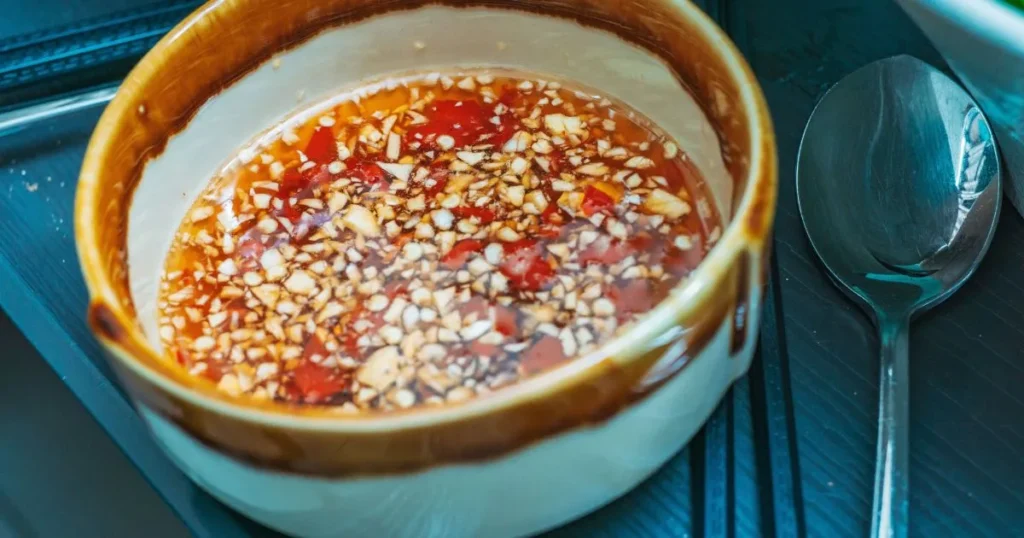
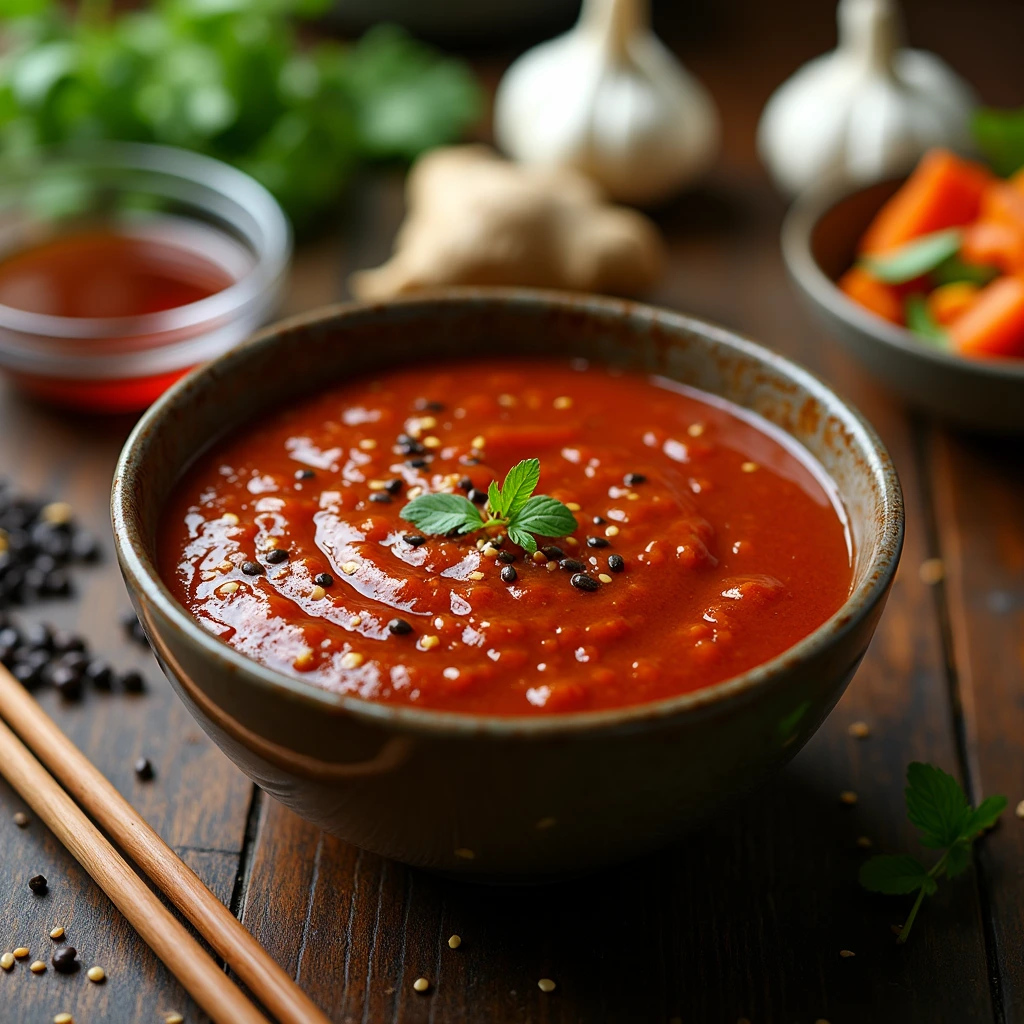
There is something deeply satisfying about creating a restaurant-worthy meal in your own kitchen. Fresh vegetables, tender protein, and steaming noodles can come together in minutes, but the real secret lies in one essential ingredient: stir fry sauce.
A well-balanced sauce transforms ordinary ingredients into a dish bursting with savory, sweet, tangy, and umami-rich flavors. It brings harmony to every bite, coats vegetables beautifully, and elevates simple meals into memorable dining experiences.
Whether you’re preparing a quick weeknight dinner, meal prepping for busy days, or experimenting with Asian-inspired cuisine, learning how to make the best homemade stir fry sauce gives you complete control over flavor, nutrition, and quality.
In this guide, you’ll discover what stir fry sauce is, the ingredients that make it exceptional, and how you can create a versatile homemade version that rivals your favorite takeout dishes.
What Is Stir Fry Sauce?
Stir fry sauce is a flavorful liquid seasoning used to coat meats, vegetables, noodles, and rice dishes during the final stage of cooking. It serves as the foundation of many Asian-inspired meals, bringing together several taste elements into one cohesive blend.
A traditional stir fry sauce often includes:
- Soy sauce
- Garlic
- Ginger
- Sesame oil
- Sweeteners
- Acidic ingredients
- Thickening agents
Unlike bottled sauces that can be overly salty or packed with preservatives, homemade stir fry sauce allows you to customize every component according to your taste preferences.
A good stir fry sauce should provide balance between four primary flavor profiles:
- Savory
- Sweet
- Tangy
- Umami
When these elements work together, they create a sauce that enhances rather than overwhelms your ingredients.
The Ultimate Reason to Make Homemade Stir Fry Sauce
Store-bought sauces are convenient, but making your own offers several advantages.
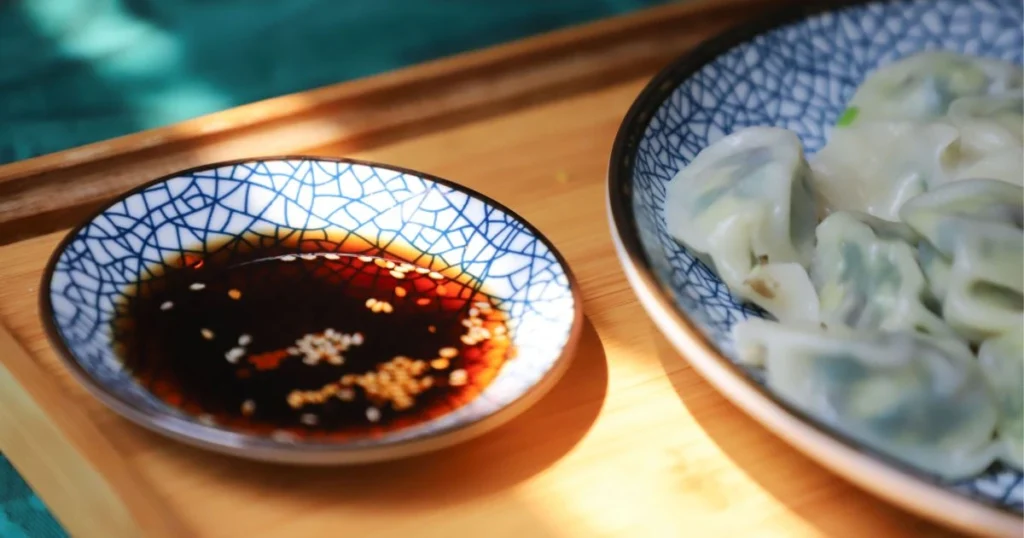
Control Over Ingredients
One of the biggest benefits is knowing exactly what goes into your sauce.
You can:
- Reduce sodium
- Adjust sweetness
- Eliminate preservatives
- Avoid artificial additives
- Use higher-quality ingredients
This makes homemade stir fry sauce an excellent choice for those following specific dietary preferences.
Better Flavor
Fresh garlic and ginger provide vibrant flavors that pre-made sauces often lack.
Homemade sauces also allow you to experiment with different ingredient combinations until you discover your ideal balance.
More Affordable
Making your own sauce can save money over time.
Common pantry ingredients like soy sauce, sesame oil, vinegar, and honey are inexpensive and can be used in multiple recipes.
Easy to Customize
You can adapt your sauce depending on the meal you’re preparing.
Popular options include:
- Spicy stir fry sauce
- Garlic ginger sauce
- Sweet stir fry sauce
- Gluten-free stir fry sauce
- Low-sodium versions
Must-Have Ingredients for the Perfect Stir Fry Sauce
The best stir fry sauce relies on a handful of simple ingredients that work together to create depth and complexity.
Core Ingredients
| Ingredient | Purpose |
|---|---|
| Soy sauce | Salty umami base |
| Garlic | Savory flavor |
| Ginger | Fresh aromatic note |
| Sesame oil | Nutty richness |
| Honey | Sweetness |
| Rice vinegar | Balances flavors with a hint of acidity |
| Cornstarch | Thickens sauce |
| Water | Keeps the sauce smooth |
Each ingredient contributes something important.
Soy sauce provides richness.
Honey softens sharp edges.
Vinegar brightens the flavors.
Cornstarch gives the sauce a silky texture.
Optional Ingredients for Extra Flavor
| Ingredient | Benefit |
|---|---|
| Oyster sauce | Rich umami flavor |
| Hoisin sauce | Sweet depth |
| Chili paste | Heat |
| Sriracha | Spicy kick |
| Orange juice | Citrus brightness |
| Lime juice | Fresh acidity |
| Red pepper flakes | Additional spice |
These additions allow you to personalize your homemade stir fry sauce based on your preferences.
The Essentials of an Amazing Stir Fry Sauce
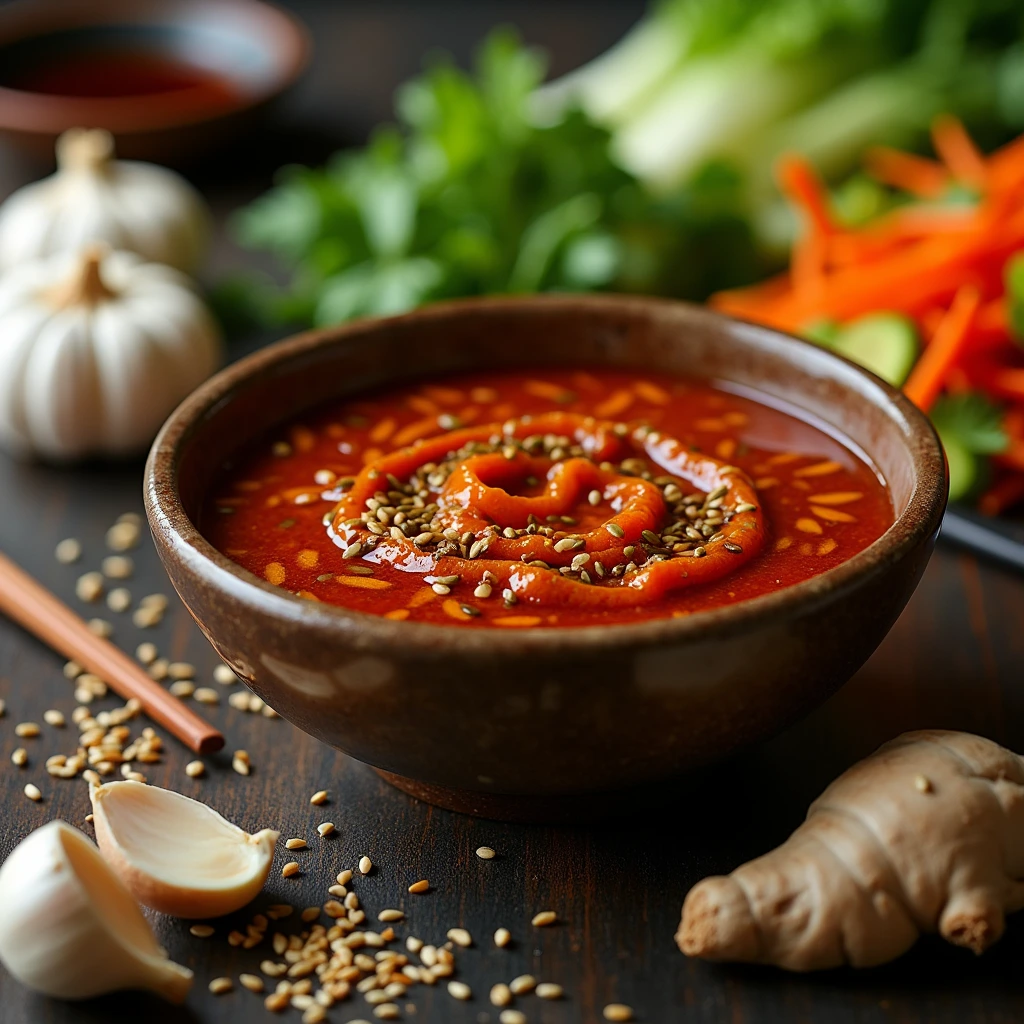
Creating the perfect stir fry sauce is all about balance.
The most successful sauces include four essential flavor components.
Sweetness
Sweet ingredients help mellow salty and spicy flavors.
Options include:
- Honey
- Brown sugar
- Maple syrup
- Coconut sugar
Sweetness should enhance the sauce without making it taste sugary.
Saltiness
Savory ingredients provide structure.
Common choices include:
- Soy sauce
- Tamari
- Coconut aminos
These ingredients add complexity and richness.
Acidity
Acidic elements brighten the overall flavor profile.
Popular choices include:
- Rice vinegar
- Lime juice
- Lemon juice
A small amount goes a long way.
Umami
Umami creates the satisfying depth associated with restaurant-quality cooking.
Excellent sources include:
- Oyster sauce
- Mushroom sauce
- Hoisin sauce
- Soy sauce
Combining these elements creates a stir fry sauce that complements proteins, vegetables, noodles, and rice.
Best Homemade Stir Fry Sauce Recipe
Making your own sauce takes only a few minutes and uses ingredients you may already have at home.
Ingredients
| Ingredients | Measurements |
|---|---|
| Soy sauce | ½ cup |
| Water | ¼ cup |
| Honey | 2 tablespoons |
| Pure sesame oil | 1 tablespoon |
| Rice vinegar | 1 tablespoon |
| Fresh garlic, minced | 3 cloves |
| Fresh ginger | 1 tablespoon |
| Cornstarch | 1 tablespoon |
| Oyster sauce | 1 tablespoon (optional) |
Step 1 – Mix Ingredients
Add the soy sauce, broth, honey, sesame oil, vinegar, garlic, ginger, and oyster sauce into a bowl.
Whisk thoroughly.
Step 2 – Add the Thickener
Stir in the cornstarch until completely dissolved.
Avoid lumps by whisking continuously.
Step 3 – Simmer the Sauce
Pour the mixture into a small saucepan.
Cook over medium heat for 2–3 minutes.
Stir frequently until the sauce thickens.
Step 4 – Use or Store
Use immediately in your favorite stir fry recipes or refrigerate for later use.
Allow the sauce to cool completely before storing.
How to Use Stir Fry Sauce in Homemade Meals
One reason stir fry sauce is so popular is its versatility.
It works well with numerous proteins, vegetables, and grains.
Best Proteins
Consider using:
- Chicken breast
- Chicken thighs
- Beef strips
- Shrimp
- Pork tenderloin
- Tofu
These proteins absorb the sauce beautifully.
Vegetables That Pair Well
Popular choices include:
- Broccoli
- Bell peppers
- Mushrooms
- Snap peas
- Carrots
- Bok choy
- Zucchini
- Cabbage
Vegetables retain their texture best when cooked quickly over high heat.
Noodles and Rice
Serve stir fry dishes over:
- Jasmine rice
- Brown rice
- Rice noodles
- Udon noodles
- Lo mein noodles
- Quinoa
Choosing different bases keeps your meals interesting and satisfying.
Popular Stir Fry Sauce Variations
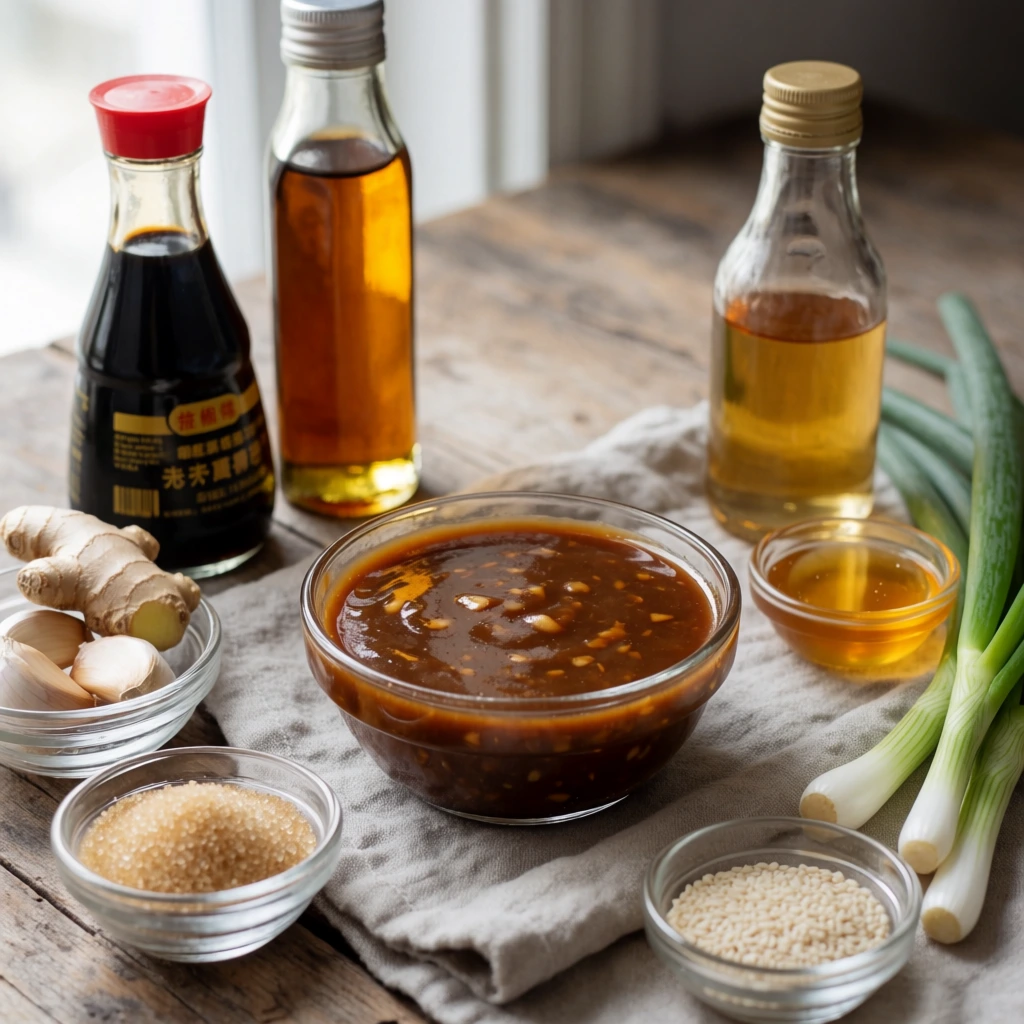
One of the biggest advantages of making your own stir fry sauce is the ability to customize it. Whether you enjoy spicy flavors, prefer sweeter dishes, or follow a special diet, there is a variation that suits your needs.
Spicy Stir Fry Sauce
If you love meals with a little heat, adding spicy ingredients can transform a basic stir fry sauce into something bold and exciting.
Ingredients to Add
- 1 tablespoon sriracha
- 1 teaspoon chili garlic sauce
- ½ teaspoon crushed red pepper flakes
- Fresh sliced chili peppers
Best Pairings
Spicy stir fry sauce works exceptionally well with:
- Chicken
- Shrimp
- Beef strips
- Stir-fried vegetables
- Rice noodles
Adjust the spice level gradually until you find the perfect balance.
Sweet Stir Fry Sauce
Some dishes benefit from a slightly sweeter flavor profile.
Sweetening Options
- Honey
- Brown sugar
- Maple syrup
- Pineapple juice
- Orange juice
Sweet stir fry sauce pairs beautifully with:
- Chicken
- Pork
- Bell peppers
- Pineapple chunks
- Broccoli
The sweetness helps balance salty and savory ingredients while creating a glossy finish.
Garlic Ginger Stir Fry Sauce
Garlic and ginger are essential ingredients in many Asian-inspired recipes.
For a stronger flavor:
- Double the garlic
- Increase fresh ginger
- Add extra sesame oil
This variation delivers a fragrant, restaurant-quality taste that works particularly well with chicken and vegetables.
Gluten-Free Stir Fry Sauce
If you avoid gluten, it’s easy to create a delicious alternative.
Ingredient Swaps
| Traditional Ingredient | Gluten-Free Alternative |
|---|---|
| Soy sauce | Tamari |
| Soy sauce | Coconut aminos |
| Oyster sauce | Gluten-free oyster sauce |
| Hoisin sauce | Gluten-free hoisin |
Be sure to check product labels to confirm they fit your dietary preferences.
Tips for Making Restaurant-Quality Stir Fry Sauce
The secret to exceptional stir fry dishes isn’t only the sauce itself—it’s also how you cook with it.
Prepare Everything Before Cooking
Stir frying moves quickly.
Before turning on the stove, have all ingredients ready.
This includes:
- Protein
- Vegetables
- Sauce
- Garnishes
- Rice or noodles
Preparation prevents overcooking and helps maintain texture.
Use Fresh Ingredients
Fresh garlic and ginger produce much brighter flavors than dried alternatives.
Whenever possible, grate fresh ginger just before cooking.
Fresh ingredients add complexity that bottled sauces often lack.
Cook Over High Heat
High heat creates slight caramelization and helps vegetables maintain their crispness.
Benefits include:
- Better texture
- More flavor
- Faster cooking
- Improved color retention
Use a wok or large skillet for the best results.
Add the Sauce at the End
One common mistake is adding stir fry sauce too early.
Instead:
- Cook protein first.
- Add vegetables.
- Stir fry until nearly tender.
- Pour in the sauce.
- Toss for 1–2 minutes.
This technique allows the sauce to coat every ingredient evenly without becoming watery.
Don’t Overcrowd the Pan
Too many ingredients reduce the pan temperature.
This causes food to steam rather than stir fry.
Cook in batches if necessary.
Maintaining high heat produces better texture and richer flavor.
Common Mistakes to Avoid
Even experienced home cooks occasionally encounter problems when preparing stir fry dishes.
Avoid these mistakes for consistently delicious results.
Using Too Much Sauce
A little sauce goes a long way.
Too much liquid can overwhelm the ingredients and make the dish soggy.
Start with less and add more if needed.
Forgetting the Thickener
Cornstarch is essential for achieving a glossy finish.
Without it, the sauce may remain thin and watery.
If desired, you can substitute:
- Arrowroot powder
- Tapioca starch
Overcooking Vegetables
One hallmark of great stir fry is crisp-tender vegetables.
Aim for vegetables that are cooked but still slightly firm.
Examples include:
- Broccoli
- Snap peas
- Bell peppers
- Carrots
This preserves texture, nutrients, and visual appeal.
Not Tasting Before Serving
Taste your sauce before adding it to the pan.
You may want:
- More sweetness
- Additional acidity
- Extra spice
- Slightly less salt
A few minor tweaks can greatly enhance the finished dish.
How to Store Homemade Stir Fry Sauce
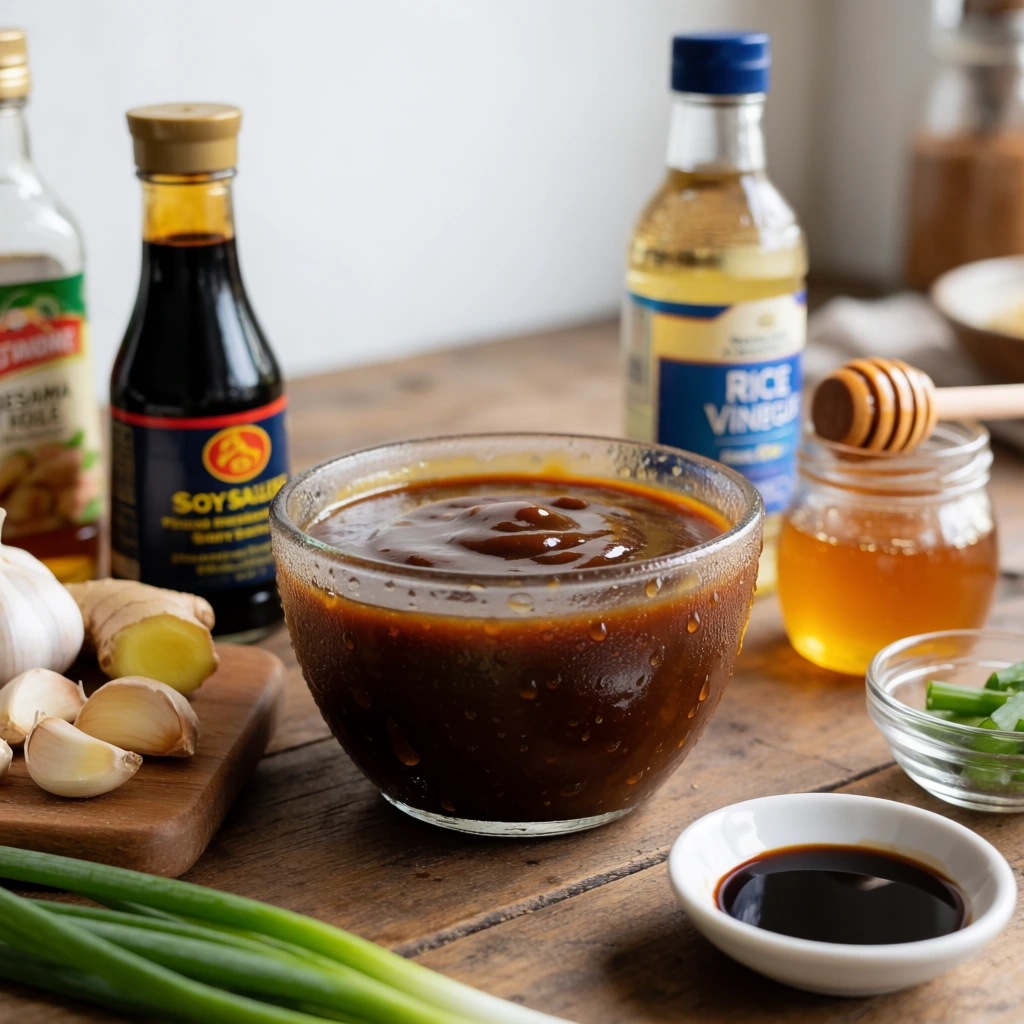
Making a larger batch of stir fry sauce saves time during busy weeks.
Fortunately, homemade sauce stores well.
Storage Guidelines
| Storage Method | Shelf Life |
|---|---|
| Refrigerator | 5–7 days |
| Freezer | Up to 3 months |
| Airtight jar | Best freshness |
Keep the sauce refrigerated in a sealed container.
Shake or whisk before using since ingredients may separate over time.
Meal Prep Tips
Homemade stir fry sauce is perfect for meal planning.
Try these ideas:
- Double the recipe
- Freeze individual portions
- Store in small jars
- Label containers with dates
Having ready-to-use sauce available makes weeknight cooking significantly easier.
Nutritional Benefits of Homemade Stir Fry Sauce
Preparing your own stir fry sauce isn’t just about flavor—it can also be a healthier option.
Health Advantages
Compared to many commercial sauces, homemade versions often contain:
- Less sodium
- Fewer preservatives
- Reduced sugar
- Fresh ingredients
- Better-quality oils
By controlling ingredients, you create meals that fit your nutritional goals.
Simple Tips for a Healthier Stir Fry Sauce
Simple adjustments can make your sauce even more nutritious.
Consider:
- Using low-sodium soy sauce
- Replacing sugar with honey
- Increasing garlic and ginger
- Choosing coconut aminos
- Reducing sesame oil slightly
These small changes can improve the nutritional profile without sacrificing taste.
Top Questions About Stir Fry Sauce
What is the best stir fry sauce for homemade meals?
The best stir fry sauce balances savory, sweet, tangy, and umami flavors. A combination of soy sauce, garlic, ginger, sesame oil, vinegar, and a touch of sweetness creates a versatile sauce suitable for many dishes.
What ingredients are used in stir fry sauce?
Traditional stir fry sauce typically includes:
- Soy sauce
- Garlic
- Ginger
- Sesame oil
- Honey or sugar
- Rice vinegar
- Cornstarch
Optional additions include oyster sauce, chili paste, and citrus juice.
Can I make stir fry sauce without soy sauce?
Yes.
Alternatives include:
- Tamari
- Coconut aminos
- Low-sodium substitutes
These options work particularly well for gluten-free or reduced-sodium diets.
How do you thicken homemade stir fry sauce?
Cornstarch is the most common thickening ingredient.
Simply whisk it into the liquid ingredients before heating.
Arrowroot powder can also be used as an alternative.
How long does homemade stir fry sauce last?
Stored properly in the refrigerator, homemade stir fry sauce remains fresh for 5–7 days.
Frozen sauce can last up to three months.
Can stir fry sauce be used as a marinade?
Absolutely.
Stir fry sauce works wonderfully as a marinade for:
- Chicken
- Beef
- Pork
- Shrimp
- Tofu
Allow proteins to marinate for at least 30 minutes before cooking for enhanced flavor.
Conclusion
A delicious stir fry sauce is one of the most valuable recipes you can master in your kitchen. With just a few pantry staples, you can create a flavorful blend that transforms vegetables, proteins, noodles, and rice into satisfying homemade meals.
Making your own sauce gives you complete control over ingredients, allowing you to customize sweetness, spice, sodium levels, and texture. Whether you prefer a classic garlic ginger version, a spicy variation, or a gluten-free alternative, homemade stir fry sauce provides endless possibilities.
Once you discover how easy it is to prepare, you’ll likely keep a batch ready in your refrigerator at all times.
Bring More Flavor to Your Homemade Meals
Now it’s your turn to experiment.
Try this homemade stir fry sauce recipe, customize it with your favorite ingredients, and create restaurant-quality dishes right in your own kitchen.
Have a favorite stir fry combination? Share your tips, ingredient swaps, or creative variations in the comments and inspire other home cooks to make their meals even more delicious.

