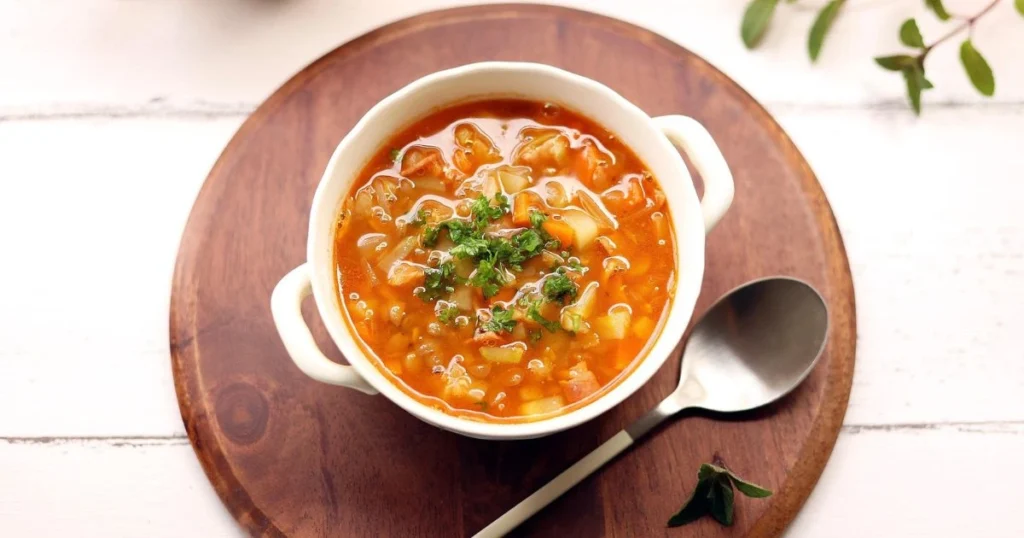

There are few meals as comforting as a warm bowl of homemade chicken noodle soup. Whether you’re trying to warm up on a cold evening, preparing a nourishing dinner for your family, or simply craving a classic homemade meal, pressure cooker chicken noodle soup delivers everything you love about traditional chicken soup in a fraction of the time.
Instead of simmering for hours on the stovetop, a pressure cooker helps you develop rich flavors quickly while keeping the chicken tender and the vegetables perfectly cooked. Even if you’re new to pressure cooking, this recipe is straightforward and forgiving. With simple ingredients and easy-to-follow steps, you’ll have a delicious one-pot meal that’s perfect for busy weeknights, meal prep, or whenever comfort food is on the menu.
In this guide, you’ll learn exactly how to make pressure cooker chicken noodle soup at home, along with practical tips, ingredient substitutions, and cooking techniques that guarantee excellent results every time.
What Is Pressure Cooker Chicken Noodle Soup?

Pressure cooker chicken noodle soup is a classic chicken soup prepared in an electric or stovetop pressure cooker. Instead of relying on several hours of simmering, pressure cooking uses steam and pressure to cook ingredients more quickly while developing deep, comforting flavors.
The finished soup includes tender chicken, aromatic vegetables, flavorful broth, herbs, and noodles that come together in one satisfying meal.
Unlike canned soup, homemade pressure cooker chicken noodle soup allows you to:
- Choose fresh ingredients
- Control the sodium level
- Adjust the seasoning to your taste
- Add extra vegetables
- Customize the recipe for your family’s preferences
Another advantage is convenience. Everything cooks in one pot, reducing cleanup while saving valuable time.
Why You’ll Love This Pressure Cooker Chicken Noodle Soup Recipe
Once you try this recipe, it may become one of your regular family dinners.
Quick and Convenient
Traditional chicken soup often requires hours of simmering. With a pressure cooker, you can enjoy similar flavors in under an hour.
One-Pot Cooking
Everything cooks in the same appliance, making cleanup much easier.
Family-Friendly
This soup has familiar flavors that both children and adults enjoy.
Budget-Friendly
Simple pantry staples and affordable chicken make this recipe economical without sacrificing flavor.
Great for Meal Prep
Make one batch and enjoy leftovers throughout the week for quick lunches or easy dinners.
Essential Ingredients for Pressure Cooker Chicken Noodle Soup
Fresh ingredients make all the difference in homemade soup.
Main Ingredients
You’ll need:
- 1½ pounds (680 g) boneless, skinless chicken breasts
- 6 cups chicken broth
- 8 ounces (225 g) egg noodles
- 1 tablespoon olive oil
If you prefer richer meat, boneless, skinless chicken thighs work equally well.
Fresh Vegetables
The classic vegetable combination provides both flavor and texture.
Prepare:
- 1 medium onion
- 2 carrots
- 2 celery stalks
- 3 garlic cloves
Dice the vegetables into evenly sized pieces so they cook uniformly.
Herbs and Seasonings
Simple seasonings create a well-balanced broth.
Use:
- Salt
- Black pepper
- Dried thyme
- Bay leaf
- Fresh parsley
For extra flavor, add rosemary, oregano, or a squeeze of fresh lemon juice before serving.
Pressure Cooker Chicken Noodle Soup Ingredients Table

| Ingredient | Amount | Purpose |
|---|---|---|
| Chicken breasts | 1½ lbs (680 g) | Main protein |
| Chicken broth | 6 cups | Soup base |
| Egg noodles | 8 oz (225 g) | Main carbohydrate |
| Onion | 1 medium | Flavor |
| Carrots | 2 large | Sweetness |
| Celery | 2 stalks | Aroma |
| Garlic | 3 cloves | Savory flavor |
| Olive oil | 1 tbsp | Sautéing |
| Thyme | 1 tsp | Herbal flavor |
| Bay leaf | 1 | Adds depth |
| Salt | To taste | Seasoning |
| Black pepper | To taste | Mild spice |
| Fresh parsley | 2 tbsp | Garnish |
Kitchen Equipment You’ll Need
One reason this recipe is so popular is that it doesn’t require specialized cookware beyond the pressure cooker itself.
Essential Equipment
Gather the following before you begin:
- Electric pressure cooker or Instant Pot
- Cutting board
- Chef’s knife
- Measuring cups
- Measuring spoons
- Wooden spoon
- Ladle
Optional Equipment
These tools make preparation even easier:
- Meat thermometer
- Fine-mesh strainer
- Vegetable chopper
- Kitchen tongs
How to Make Pressure Cooker Chicken Noodle Soup (Step-by-Step)

Although pressure cooking may seem intimidating at first, the process is surprisingly simple.
Follow these steps for consistently delicious soup.
Step 1 – Prepare the Ingredients
Start by preparing all of your ingredients.
Dice the vegetables into similar-sized pieces to ensure even cooking.
Prepare:
- Dice the onion.
- Slice the carrots.
- Chop the celery.
- Mince the garlic.
- Measure the herbs and seasonings.
Trim any excess fat from the chicken if necessary.
Preparing all your ingredients in advance makes the cooking process much easier.
Step 2 – Sauté the Vegetables
Turn your pressure cooker to the Sauté function.
Add the olive oil.
Cook the onion for about 3–4 minutes until it begins to soften.
Next, add:
- Carrots
- Celery
- Garlic
Continue cooking for another 3–4 minutes.
This step develops deeper flavors that carry through the finished soup.
Step 3 – Add the Chicken and Broth
Arrange the chicken breasts on top of the vegetables.
Pour in the chicken broth.
Add:
- Bay leaf
- Thyme
- Salt
- Pepper
Give everything a gentle stir without disturbing the chicken too much.
Be careful not to exceed your pressure cooker’s maximum fill line.
Step 4 – Pressure Cook
Secure the lid according to your pressure cooker’s instructions.
Set the cooker to High Pressure.
Recommended Cooking Times
| Chicken Cut | Pressure Cooking Time |
|---|---|
| Chicken breasts | 8–10 minutes |
| Chicken thighs | 10–12 minutes |
After the cooking cycle finishes, allow the pressure to release naturally for about 10 minutes before carefully releasing any remaining pressure.
The chicken should reach an internal temperature of 74°C (165°F) and should be easy to shred with a fork.
Step 5 – Shred the Chicken
Carefully remove the cooked chicken from the soup and place it on a clean cutting board or plate.
Use two forks to pull the meat into bite-sized pieces.
Alternatively, you can use:
- A hand mixer
- A stand mixer with the paddle attachment
Both methods work well if you’re preparing a large batch.
Once shredded, return the chicken to the pressure cooker.
Step 6 – Cook the Noodles
Add the egg noodles after the pressure cooking step.
This helps prevent them from becoming overly soft.
Switch the pressure cooker back to the Sauté setting.
Cook the noodles according to the package directions, usually 6–8 minutes, stirring occasionally to prevent sticking.
Cooking the noodles separately within the soup at the end gives you much better control over their texture.
Step 7 – Taste and Finish
Before serving, remove the bay leaf.
Taste the broth and adjust the seasoning if needed.
You may wish to add:
- Extra salt
- Freshly ground black pepper
- Chopped parsley
- Fresh dill
- A squeeze of lemon juice for brightness
Allow the soup to rest for about five minutes before serving. This gives the flavors a chance to blend together and ensures the soup is evenly heated throughout.
Pressure Cooker Chicken Noodle Soup Cooking Timeline
| Step | Approximate Time |
|---|---|
| Prepare ingredients | 15 minutes |
| Sauté vegetables | 5 minutes |
| Pressure build-up | 10 minutes |
| Pressure cooking | 8–10 minutes |
| Natural pressure release | 10 minutes |
| Cook noodles | 6–8 minutes |
| Total Time | Approximately 45–50 minutes |
Tips for Making the Best Pressure Cooker Chicken Noodle Soup
A great bowl of pressure cooker chicken noodle soup comes down to more than just following a recipe.A few small tips can greatly improve the flavor, texture, and appearance of your dish.
Brown the Vegetables First
Don’t skip the sauté step. Cooking the onions, carrots, celery, and garlic before pressure cooking helps develop natural sweetness and adds depth to the broth.
Choose a Good-Quality Broth
The broth forms the flavorful base of your soup. Using a high-quality or homemade chicken broth creates a richer, more satisfying flavor. If you’re using store-bought broth, a low-sodium variety lets you adjust the seasoning to your preference.
Cook the Noodles Separately or at the End
Adding noodles before pressure cooking can leave them overly soft. Instead:
- Add them after the pressure cycle using the Sauté function.
- Or cook them separately and add them to individual bowls before serving.
This is especially helpful if you plan to store leftovers.
Use Fresh Herbs as a Finishing Touch
Fresh parsley, dill, or thyme added just before serving brightens the flavor and gives the soup a fresh, homemade taste.
Taste Before Serving
Seasonings can change during cooking. Always taste your soup before serving and adjust with:
- Salt
- Freshly ground black pepper
- Lemon juice
- Extra parsley
Common Mistakes to Avoid
Even simple recipes can go wrong if a few details are overlooked.
Overfilling the Pressure Cooker
Never fill your pressure cooker beyond the manufacturer’s recommended maximum fill line. Overfilling may affect cooking performance and safety.
Overcooking the Noodles
Noodles continue absorbing liquid even after cooking.
To avoid mushy noodles:
- Cook them at the end.
- Avoid leaving them in the hot soup for long periods before serving.
Adding Too Much Salt Early
Chicken broth varies in sodium content.
Season lightly at first, then adjust once the soup is fully cooked.
Skipping the Sauté Function
While you can skip this step, sautéing creates a much richer flavor that resembles traditional slow-simmered soup.
Forgetting the Bay Leaf
Adding a bay leaf during cooking enhances the broth, but don’t forget to remove it before serving.
Delicious Variations of Pressure Cooker Chicken Noodle Soup
One of the best things about this recipe is its versatility.
Creamy Pressure Cooker Chicken Noodle Soup
If you enjoy richer soups, stir in:
- ½ cup heavy cream
- Or ½ cup half-and-half
Add dairy only after pressure cooking to prevent curdling.
Vegetable-Packed Version
Enhance the dish’s nutritional value with additional vegetables.
Popular choices include:
- Spinach
- Kale
- Peas
- Corn
- Mushrooms
- Green beans
- Zucchini
Most leafy greens only need a few minutes to wilt before serving.
Gluten-Free Version
Simply replace traditional egg noodles with:
- Gluten-free pasta
- Rice noodles (cook according to package directions)
This simple substitution makes the soup suitable for many gluten-free diets.
Low-Carb Version
If you’re reducing carbohydrates, replace noodles with:
- Zucchini noodles
- Cauliflower rice
- Shredded cabbage
These alternatives keep the soup hearty while lowering the carbohydrate content.
Nutrition Information
The exact nutritional value depends on your ingredients and portion size.
Estimated Nutrition Per Serving
| Nutrient | Approximate Amount* |
|---|---|
| Calories | 280–360 |
| Protein | 25–30 g |
| Fat | 7–12 g |
| Carbohydrates | 22–30 g |
| Fiber | 2–4 g |
| Sodium | Varies by broth |
*Nutrition values are estimates and may vary depending on the ingredients you use.
How to Store and Reheat Pressure Cooker Chicken Noodle Soup
Homemade soup stores well, making it ideal for meal prep.
Refrigerator Storage
To maintain freshness:
- Allow the soup to cool slightly.
- Transfer it to airtight containers.
- Refrigerate for 3–4 days.
If possible, store the noodles separately from the broth to help preserve their texture.
Freezer Storage
For longer storage:
- Freeze the broth and chicken without noodles whenever possible.
- Use freezer-safe containers or bags.
- Label each container with the preparation date.
- Freeze for up to 3 months for the best quality.
When you’re ready to enjoy it, prepare fresh noodles and add them during reheating.
Reheating Instructions
Stovetop
Pour the soup into a saucepan and heat over medium heat until it reaches a gentle simmer.
Microwave
Place a serving in a microwave-safe bowl, cover loosely, and heat in one-minute intervals, stirring between each interval.
Pressure Cooker
Use the Sauté function to reheat larger portions gently.
If the soup has thickened during storage, simply add a little extra broth before reheating.
Best Side Dishes to Serve with Pressure Cooker Chicken Noodle Soup
Although this soup is satisfying on its own, the right side dish can turn it into a complete meal.
Great options include:
- Crusty artisan bread
- Garlic bread
- Homemade dinner rolls
- Buttermilk biscuits
- Green salad
- Caesar salad
- Roasted vegetables
- Grilled cheese sandwich
- Cheese crackers
For a lighter meal, pair the soup with a simple cucumber or mixed green salad.
Frequently Asked Questions About Pressure Cooker Chicken Noodle Soup
How do you make pressure cooker chicken noodle soup at home?
Making pressure cooker chicken noodle soup is simple:
- Sauté onions, carrots, celery, and garlic.
- Add chicken, broth, and seasonings.
- Pressure cook until the chicken is fully cooked.
- Shred the chicken.
- Return it to the pot.
- Cook the noodles using the Sauté setting.
- Adjust the seasoning and serve.
Can you cook noodles directly in pressure cooker chicken noodle soup?
Yes, but many home cooks prefer adding noodles after pressure cooking. This gives you better control over the texture and helps prevent overcooking.
Is chicken breast or chicken thigh better for pressure cooker chicken noodle soup?
Both work well.
- Chicken breasts are lean, tender, and mildly flavored.
- Chicken thighs are juicier and remain tender even with slightly longer cooking times.
Choose the option that best suits your taste.
How long does pressure cooker chicken noodle soup last?
Stored properly in an airtight container, the soup will generally keep:
- Refrigerator: 3–4 days
- Freezer: Up to 3 months (preferably without noodles)
Can you make pressure cooker chicken noodle soup ahead of time?
Absolutely. In fact, many people find the flavor improves after resting overnight. For the best texture, store the noodles separately and combine them with the soup when reheating.
Why is my pressure cooker chicken noodle soup cloudy?
Cloudiness is normal and may be caused by:
- Starch released from the noodles
- Proteins from the chicken
- Stirring the soup vigorously
It doesn’t affect the flavor or safety of the soup.
Expert Tips for Perfect Pressure Cooker Chicken Noodle Soup Every Time
For consistently delicious results, keep these professional tips in mind:
- Cut vegetables into evenly sized pieces for even cooking.
- Use fresh garlic instead of garlic powder whenever possible.
- Cook noodles separately if you expect leftovers.
- Taste and adjust the seasoning just before serving.
- Garnish with freshly chopped parsley or dill.
- Add a squeeze of fresh lemon juice for extra brightness.
- Keep homemade broth on hand for even richer flavor.
- Freeze individual portions for quick lunches or easy dinners.
Conclusion
Making pressure cooker chicken noodle soup at home is one of the easiest ways to enjoy a comforting, homemade meal without spending hours in the kitchen. By sautéing fresh vegetables, using flavorful broth, pressure cooking the chicken until tender, and adding the noodles at the right time, you can create a soup that’s both satisfying and simple to prepare.
Whether you’re cooking for a cozy family dinner, preparing meals for the week, or looking for a comforting dish on a chilly day, this recipe is versatile enough to fit your needs. You can customize it with extra vegetables, different herbs, or alternative noodles, making it a recipe you’ll return to again and again.
Try This Pressure Cooker Chicken Noodle Soup Today!
Now that you know how to make pressure cooker chicken noodle soup at home, it’s time to give it a try. Gather your ingredients, follow the step-by-step instructions, and enjoy a warm bowl of homemade comfort. If you enjoyed this recipe, leave a comment with your favorite variation, rate the recipe, and share it with family and friends. Don’t forget to save this guide for the next time you’re craving a quick, hearty, and delicious homemade soup.