
There are certain meals that instantly create a sense of comfort and anticipation. The aroma of slow-cooked beef filling your kitchen, the promise of tender meat that falls apart with a fork, and the satisfaction of serving a dish everyone enjoys can transform an ordinary dinner into something memorable. That’s exactly what boneless beef short ribs offer.
Known for their deep flavor, beautiful marbling, and incredible tenderness when cooked properly, boneless beef short ribs have become a favorite among home cooks and professional chefs alike. Whether you’re preparing a cozy family meal, hosting friends, or looking for a restaurant-quality dish you can master at home, this versatile cut deserves a place in your recipe collection.
In this guide, you’ll discover what boneless beef short ribs are, where they come from, the best cooking methods, seasoning ideas, and practical tips that guarantee flavorful results every time.
What Are Boneless Beef Short Ribs?
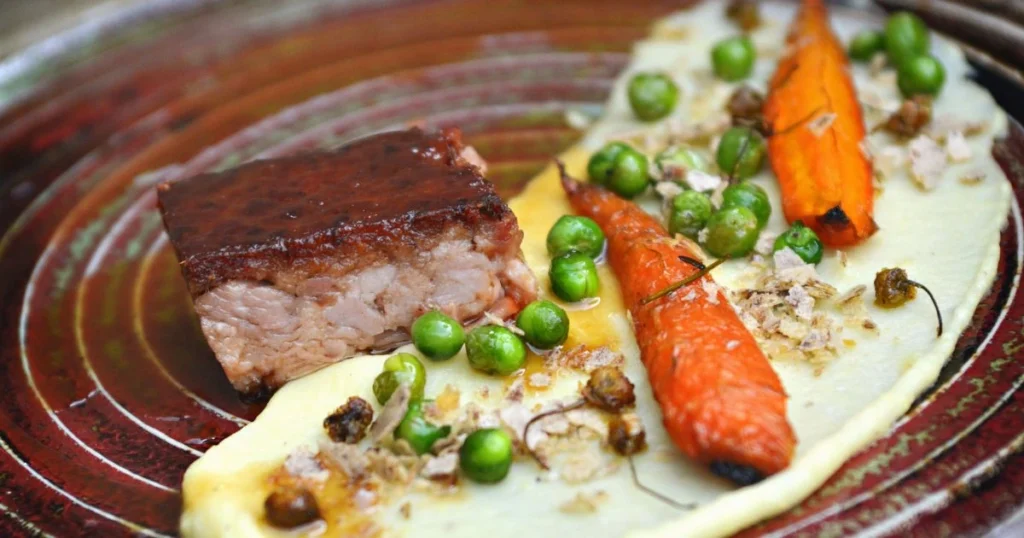
Boneless beef short ribs are a richly marbled cut of beef that typically comes from the chuck or plate section of the cow. Unlike traditional short ribs that include a section of bone, boneless versions are trimmed and prepared without bones while maintaining the same exceptional flavor and tenderness.
These cuts contain generous amounts of connective tissue and intramuscular fat, which gradually break down during cooking, producing succulent and juicy meat.
Boneless beef short ribs are popular because they provide:
- Intense beef flavor
- Tender texture
- Excellent versatility
- Easy serving portions
- Faster preparation compared to bone-in ribs
They are commonly used in:
- Braised dishes
- Slow cooker meals
- Oven roasts
- Barbecue recipes
- Asian-inspired dishes
- Gourmet comfort food recipes
Boneless vs Bone-In Beef Short Ribs
Many people wonder whether boneless beef short ribs differ significantly from traditional bone-in cuts.
Here’s a quick comparison.
| Feature | Boneless Beef Short Ribs | Bone-In Short Ribs |
|---|---|---|
| Preparation | Easier | Slightly more involved |
| Time Needed for Cooking | Slightly shorter | Longer |
| Flavor | Rich | Richer due to bone |
| Serving | Practical | Rustic Serving Style |
| Portioning | Simple | Requires trimming |
Both options deliver excellent flavor, but boneless beef short ribs offer added convenience for home cooks.
Why Boneless Beef Short Ribs Are So Popular
Few cuts of beef combine richness and tenderness quite like short ribs.
Several factors contribute to their popularity.
Exceptional Flavor
Boneless beef short ribs contain substantial marbling.
Marbling refers to the streaks of fat distributed throughout the meat.
During cooking, this fat melts gradually, creating:
- Juicy texture
- Enhanced tenderness
- Rich mouthfeel
- Complex flavor
This natural richness distinguishes short ribs from leaner cuts.
Versatility in Cooking
Boneless beef short ribs adapt well to numerous cooking methods.
Popular options include:
- Braising
- Slow cooking
- Smoking
- Grilling
- Pressure cooking
- Oven roasting
This flexibility allows you to prepare them according to your schedule and preferences.
Ideal for Entertaining
Short ribs offer an elevated dining experience without requiring advanced culinary expertise.
Many recipes can be prepared ahead of time, making them perfect for:
- Holiday meals
- Dinner parties
- Weekend gatherings
- Family celebrations
Their impressive appearance and incredible flavor always make an impact.
Understanding Boneless Beef Short Rib Cuts
Not all boneless short ribs originate from the same section.
Knowing the differences can help you select the best option.
Chuck Short Ribs
Chuck short ribs come from the shoulder region.
Characteristics include:
- Higher fat content
- Deep beef flavor
- Excellent tenderness
- Ideal for braising
Many chefs consider chuck short ribs the preferred option for slow cooking.
Plate Short Ribs
Plate short ribs are sourced from the lower rib area.
Benefits include:
- Rich marbling
- Large meat portions
- Luxurious texture
- Premium quality
These cuts are frequently featured in upscale restaurants.
English-Style and Flanken Cuts
Although most boneless short ribs are prepared similarly, understanding traditional cuts can still be helpful.
English Style
- Thick pieces
- Individual servings
- Slow cooking preferred
Flanken Style
- Thin slices
- Cross-cut appearance
- Popular in Korean cuisine
- Excellent for grilling
Nutritional Benefits of Boneless Beef Short Ribs
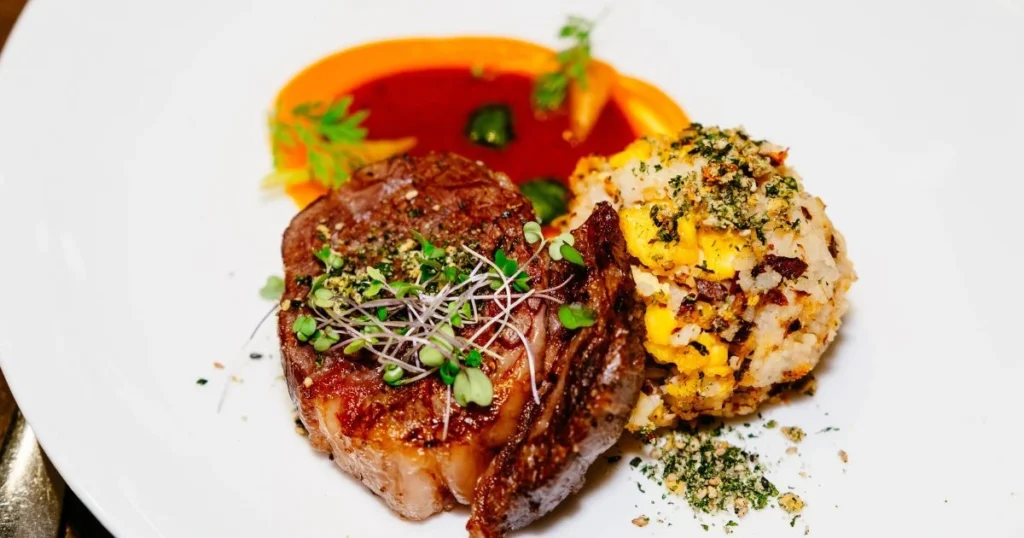
Beyond flavor, boneless beef short ribs provide valuable nutrients.
High-Quality Protein
Protein supports numerous bodily functions.
Benefits include:
- Muscle maintenance
- Tissue repair
- Increased satiety
- Energy production
Protein-rich meals may also help reduce hunger between meals.
Essential Vitamins and Minerals
Boneless beef short ribs contain several important nutrients.
Iron
Supports oxygen transport throughout the body.
Zinc
Contributes to immune function.
Vitamin B12
Essential for nervous system health.
Selenium
Acts as an antioxidant.
Phosphorus
Supports healthy bones and teeth.
While short ribs are richer in fat than some other cuts, they can fit comfortably into a balanced eating plan.
Essential Ingredients for Boneless Beef Short Ribs
A few simple ingredients create remarkable results.
Essential Ingredients Table
Braised Boneless Beef Short Ribs Recipe
| Item | Amount |
|---|---|
| Boneless beef short ribs | 3 pounds |
| Olive oil | 2 tablespoons |
| Onion | 1 large |
| Garlic cloves | 6 |
| Beef broth | 2 cups |
| Dry red wine | 1 cup |
| Concentrated Tomato Paste | 2 tablespoons |
| Worcestershire sauce | 2 tablespoons |
| Freshly Picked Thyme | 4 sprigs |
| Rosemary | 2 sprigs |
| Salt | To taste |
| Ground Black Pepper | To taste |
Optional Ingredients
Enhance flavor further with:
- Carrots
- Celery
- Mushrooms
- Bay leaves
- Smoked paprika
- Brown sugar
These additions provide additional depth and complexity.
How to Cook Boneless Beef Short Ribs
Low and slow cooking remains the secret to success.
Step 1: Prepare the Meat
Remove short ribs from refrigeration approximately 30 minutes before cooking.
Pat them dry.
Dry surfaces brown more effectively.
Season generously using:
- Salt
- Black pepper
- Garlic powder
Allow seasoning to absorb briefly.
Step 2: Sear the Beef
Heat oil in a Dutch oven.
Use medium-high heat.
Brown each side thoroughly.
This process creates caramelization.
Caramelization develops savory compounds that enrich the final dish.
Do not overcrowd the pan.
Cook in batches if necessary.
Step 3: Build Flavor
Add onions and garlic.
Cook until softened.
Stir in tomato paste.
Allow it to cook for about two minutes.
Tomato paste intensifies savory notes.
Deglaze the pan with red wine.
Scrape browned bits from the bottom.
Those bits contribute tremendous flavor.
Step 4: Add Braising Liquid
Pour in:
- Beef broth
- Worcestershire sauce
Add herbs.
Return the ribs to the pot.
The liquid should partially cover the meat.
Cover tightly.
Step 5: Braise Slowly
Transfer to a preheated oven.
Recommended temperature:
325°F
Cooking time:
2½ to 3 hours.
Properly cooked short ribs should pull apart effortlessly.
Boneless Beef Short Rib Cooking Times
Different cooking methods require varying durations.
Cooking Chart
| Method | Temperature | Time |
|---|---|---|
| Oven Braising | 325°F | 2½–3 hours |
| Slow Cooker | Low | 7–8 hours |
| Slow Cooker | High | 4–5 hours |
| Pressure Cooker | High Pressure | 45–60 minutes |
| Smoker | 250°F | 5–6 hours |
| Grill | Medium Heat | 20–30 minutes |
Cooking times may vary depending on thickness.
Always check tenderness rather than relying solely on timing.
Alternative Ways to Cook Boneless Beef Short Ribs
Several methods can produce delicious results.
Slow Cooker Boneless Beef Short Ribs
This technique requires minimal effort.
Advantages include:
- Hands-off cooking
- Reliable tenderness
- Convenient meal preparation
Simply combine ingredients and cook on low.
Dinner practically makes itself.
Instant Pot Boneless Beef Short Ribs
Pressure cooking dramatically reduces cooking time.
Benefits include:
- Faster preparation
- Moist texture
- Excellent flavor retention
This option works well during busy weekdays.
Grilled Boneless Beef Short Ribs
Grilling creates smoky flavor and appealing char.
Tips include:
- Marinate beforehand
- Cook over medium heat
- Monitor temperature carefully
Short ribs cook quickly when sliced thinner.
Smoked Boneless Beef Short Ribs
Smoking offers incredible depth.
Popular woods include:
- Oak
- Hickory
- Cherry
Low temperatures allow connective tissue to soften gradually.
The results can be extraordinary.
Best Seasonings for Boneless Beef Short Ribs
Seasoning choices influence overall flavor.
Fortunately, short ribs pair beautifully with many combinations.
Classic Seasoning Blend
Simple ingredients often work best.
Use:
- Salt
- Black pepper
- Garlic powder
- Onion powder
- Paprika
This blend complements beef without overpowering it.
Fresh Herbs
Herbs contribute freshness and aroma.
Excellent choices include:
- Rosemary
- Thyme
- Parsley
- Oregano
Fresh herbs typically deliver brighter flavor than dried alternatives.
Bold Flavor Profiles
Experimentation can lead to exciting results.
Ideas include:
Korean-Inspired Marinade
Ingredients:
- Soy sauce
- Brown sugar
- Garlic
- Sesame oil
- Ginger
BBQ Style
Incorporate:
- Smoked paprika
- Brown sugar
- Chili powder
- Cumin
Red Wine Reduction
A rich sauce elevates short ribs significantly.
Wine contributes acidity and depth.
Best Side Dishes for Boneless Beef Short Ribs
Choosing the right accompaniments enhances the meal.
Comfort Food Classics
Popular options include:
- Mashed potatoes
- Creamy polenta
- Buttered noodles
- Mac and cheese
These sides absorb sauce beautifully.
Vegetables
Balance richness with fresh vegetables.
Suggestions:
- Roasted carrots
- Brussels sprouts
- Green beans
- Asparagus
- Broccoli
Vegetables add color and texture.
Bread Options
Bread helps capture every bit of sauce.
Try:
- Artisan bread
- Garlic bread
- Dinner rolls
- Rustic baguettes
Tips for Cooking Tender Boneless Beef Short Ribs
Small adjustments often lead to major improvements.
Cook Low and Slow
Connective tissue requires time.
High temperatures can cause toughness.
Patience produces tenderness.
Slow cooking allows collagen to break down naturally.
Do Not Skip the Sear
Searing creates flavor.
Without it, the final dish may taste flat.
Take your time during this step.
Rest Before Serving
Resting meat preserves moisture.
Allow ribs to sit for approximately ten minutes.
This simple technique improves texture considerably.
Taste Throughout Cooking
Adjust seasoning gradually.
You can always add more.
Over-seasoning becomes difficult to correct.
Common Mistakes to Avoid
Avoiding a few errors ensures consistent success.
Cooking Too Quickly
Short ribs need extended cooking.
Rushing often results in chewy meat.
Using Insufficient Liquid
Braising requires moisture.
Too little liquid may dry out the beef.
Maintain adequate levels.
Neglecting Seasoning
Season generously.
Rich cuts require enough seasoning to balance fat content.
Serving Immediately
Resting enhances flavor distribution.
Waiting a few minutes is worthwhile.
Storing and Reheating Boneless Beef Short Ribs
Leftovers are often even more flavorful.
Refrigeration
Store in airtight containers.
Freshness duration:
Three to four days.
Freezing
Freeze portions individually.
Storage life:
Up to three months.
Label containers clearly.
Reheating Methods
Recommended techniques:
- Oven
- Slow cooker
- Stovetop
Add a splash of broth if necessary.
Gentle reheating preserves tenderness.
Frequently Asked Questions About Boneless Beef Short Ribs
What are boneless beef short ribs?
Boneless beef short ribs are richly marbled cuts taken from the chuck or plate section of the cow. They deliver excellent flavor and become incredibly tender when cooked slowly.
Are boneless beef short ribs tender?
Yes.
When cooked properly, connective tissue breaks down, producing juicy and fork-tender meat.
What is the best cooking method for boneless beef short ribs?
Braising remains the preferred method because it develops maximum flavor while preserving moisture.
How long should boneless beef short ribs cook?
Cooking time varies.
Oven braising typically requires 2½ to 3 hours.
Slow cooking may take 7 to 8 hours.
Pressure cooking generally needs under one hour.
Can boneless beef short ribs be grilled?
Absolutely.
Thin cuts respond particularly well to grilling.
Marinating beforehand improves tenderness.
How do you store leftover boneless beef short ribs?
Place leftovers in airtight containers and refrigerate for up to four days or freeze for longer storage.
Conclusion
Boneless beef short ribs combine exceptional flavor, impressive tenderness, and remarkable versatility. Whether you choose to braise them slowly, prepare them in a slow cooker, smoke them outdoors, or experiment with international flavors, this cut consistently rewards patience and thoughtful preparation.
By understanding how to select quality meat, use proper cooking techniques, and pair short ribs with complementary sides, you can confidently create meals that rival those served in fine restaurants.
Ready to Cook Boneless Beef Short Ribs?
Gather your ingredients, choose your favorite cooking method, and experience firsthand why boneless beef short ribs have become a beloved comfort food for home cooks everywhere. Once you’ve mastered this flavorful cut, it may quickly become one of your most requested recipes for family dinners, holidays, and special occasions.

