
Table of Contents
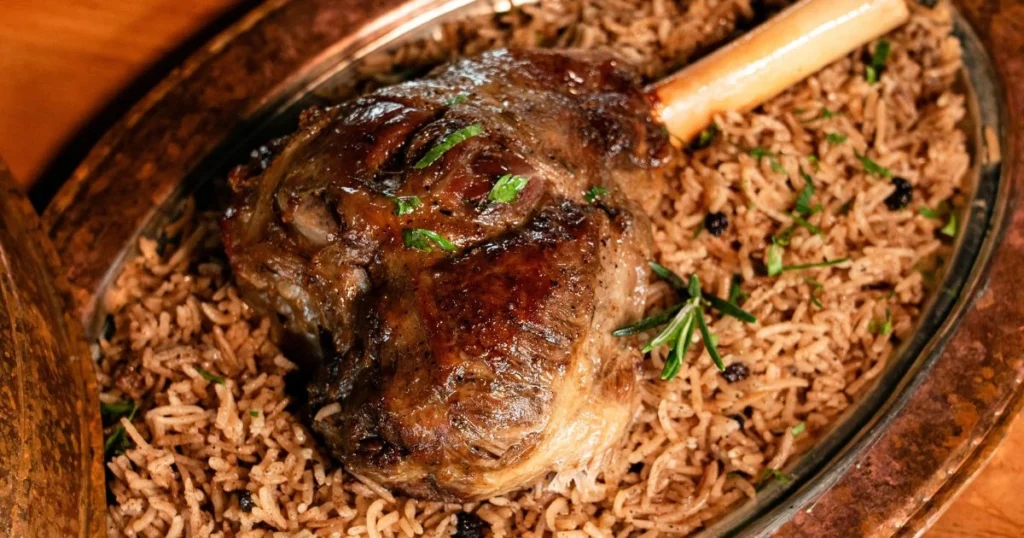
If you have ever looked at a beef shank with bone and wondered how such a tough-looking cut could become tender enough to fall apart with a fork, you are not alone. Beef shank isn’t meant to be rushed; low and slow cooking transforms it into tender, melt-in-your-mouth meat.. Give it time, gentle heat, and a flavorful braising liquid, and it transforms into one of the most satisfying comfort-food dishes you can make.
The secret is simple: cook beef shank low and slow. As the beef shank cooks low and slow, its collagen and connective tissue soften to perfection, while the bone adds a rich, hearty flavor to the broth.
Whether you are planning a cozy Sunday dinner or simply want a hearty meal that tastes like you spent all day in the kitchen, this guide shows you how to prepare a tender beef shank with bone from start to finish.
What Is Beef Shank With Bone?
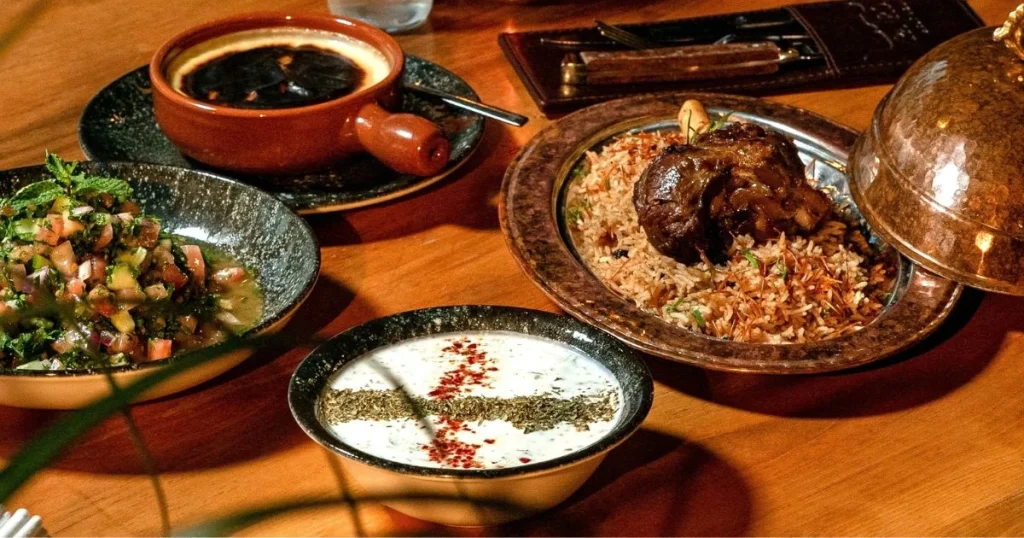
Beef shank is cut from the lower leg of the cow, making it a flavorful cut that benefits from slow, gentle cooking.. Since this muscle gets a lot of exercise, it contains substantial connective tissue. That makes it naturally firm when cooked quickly.
However, that same connective tissue is what makes a slow-cooked shank so special.
When you braise a bone-in beef shank for several hours:
- Collagen gradually breaks down.
- The meat becomes soft and succulent.
- The braising liquid develops a rich, savory character.
- The bone contributes depth and body to the sauce.
- You get a hearty dish without needing an expensive cut of beef.
That’s why braising is one of the best methods for turning beef shank into tender, flavorful meat.
Why Does Slow Cooking Make Beef Shank So Tender?
The most important thing to understand is that tenderness does not come from simply cooking the meat until it reaches a particular temperature.
Beef shank needs time.
The cut contains collagen, a structural protein that can make meat seem tough. During prolonged cooking in a moist environment, collagen gradually converts into gelatin. That process gives the meat its soft texture and helps create a rich, silky braising liquid.
For that reason, if your beef shank is still tough after several hours, it may not be ruined. It may simply need more time.
The basic formula is:
- Season the beef generously.
- Sear it until deeply browned.
- Cook your aromatics.
- Add flavorful liquid.
- Return the shank to the pot.
- Cover and cook slowly.
- Continue until the meat is genuinely fork-tender.
Do not rely on the clock alone. Your fork is one of your best tools for judging doneness.
Ingredients for Beef Shank With Bone
You only need a handful of basic ingredients to create a deeply flavorful braised beef shank.
| Ingredient | Amount | Purpose |
|---|---|---|
| Bone-in beef shanks | 2–4 | Main protein |
| Olive oil | 2 tbsp | Searing |
| Onion | 1 large | Flavor base |
| Carrots | 2 | Natural sweetness |
| Celery | 2 stalks | Savory depth |
| Garlic | 3–4 cloves | Aroma |
| Tomato paste | 1–2 tbsp | Richness |
| Beef broth | 2–3 cups | Braising liquid |
| Red wine | 1 cup, optional | Depth and acidity |
| Bay leaves | 1–2 | Aroma |
| Fresh thyme | 2–3 sprigs | Herbal flavor |
| Salt | To taste | Seasoning |
| Black pepper | To taste | Seasoning |
You can also add mushrooms, rosemary, Worcestershire sauce, smoked paprika, or chili flakes depending on the flavor profile you want.
How to Cook Beef Shank With Bone Until Perfectly Tender
Now that your ingredients are ready, you can start cooking. A heavy Dutch oven works particularly well because it retains heat and allows you to sear and braise the meat in the same pot.
Step 1: Pat the Beef Shanks Dry for Better Browning
Use paper towels to remove excess moisture from the surface of the beef.
Season the beef shanks generously on all sides with salt and freshly ground black pepper, making sure the seasoning is evenly distributed.
Drying the surface matters because excess moisture can interfere with browning. You want the beef to develop a deep, appetizing crust when it hits the hot pan.
Step 2: Sear the Beef Shank
Heat olive oil in a large Dutch oven over medium-high heat.
Add the beef shanks and brown them on all sides. Depending on the size of the pieces and your pot, this can take several minutes per side.
Do not overcrowd the pot. If necessary, brown the shanks in batches.
Once they are deeply browned, transfer them to a plate.
Why is searing important?
Searing does not “seal in” the juices, but it does create browned flavors through the Maillard reaction. Those browned bits become especially valuable once you add the braising liquid.
Step 3: Cook the Aromatics
Reduce the heat slightly and add the chopped onion, carrots, and celery.
Cook until the vegetables begin to soften. Add the minced garlic and sauté briefly until fragrant and lightly golden, taking care not to let it burn.
Next, stir in the tomato paste.
Let it cook for 1–2 minutes, stirring occasionally, until fragrant and lightly softened. Slightly browning the tomato paste helps develop a deeper flavor.
Step 4: Deglaze the Pot
If using, pour in the red wine and stir well, allowing it to deglaze the pan and lift the flavorful browned bits from the bottom.
Use a wooden spoon to scrape the browned pieces from the bottom of the pot. These caramelized bits are packed with flavor.
Allow the wine to simmer for a few minutes before adding the beef broth.
If you prefer to skip the wine, simply substitute it with an equal amount of beef broth for a rich, flavorful result.
Step 5: Return the Beef Shanks to the Pot for Slow Cooking
Place the browned beef shanks back into the pot.
Add the thyme and bay leaves.
Pour in enough broth to partially surround the meat. You do not necessarily need to completely submerge the shanks.
Bring the liquid to a gentle simmer.
Step 6: Braise the Beef Shank Slowly
Cover the pot tightly and transfer it to a preheated oven.
A temperature around 325°F (165°C) is a useful starting point for oven braising.
Cook for approximately 2½ to 4 hours, depending on the size and thickness of your shanks.
Start checking for tenderness toward the earlier end of that range.
The beef is ready when a fork slides into the meat easily and the meat begins pulling away from the bone.
If it still feels firm, cover the pot and continue cooking.
How Do You Know When Beef Shank Is Tender?
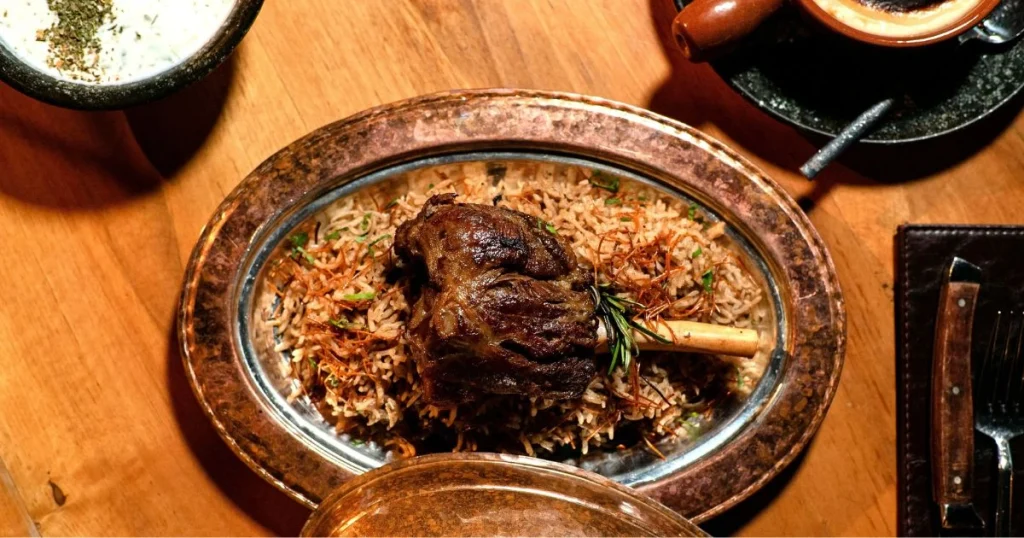
Time is helpful, but texture is more important.
Your beef shank with bone should be ready when:
- A fork enters the meat with little resistance.
- The meat easily separates from the bone.
- The connective tissue has softened.
- The braising liquid is rich and flavorful.
- The meat feels soft rather than rubbery or chewy.
If your shank has been cooking for hours but remains tough, don’t immediately turn up the heat. Keep it covered and continue cooking gently.
Often, the difference between tough and fork-tender beef shank is simply another 30–60 minutes of cooking.
How to Make the Best Sauce for Beef Shank
Once the beef is tender, carefully remove the shanks and place them somewhere warm.
Taste the braising liquid.
You may need to adjust the seasoning with additional salt or black pepper.
For a thicker sauce, simmer the liquid uncovered until it reduces to your preferred consistency.
You can also strain out the vegetables for a smoother sauce or leave them in for a more rustic result.
Easy finishing ideas
- Add fresh chopped parsley.
- Stir in a small splash of Worcestershire sauce.
- Add a little lemon juice for brightness.
- Finish with freshly ground black pepper.
- Spoon the reduced sauce directly over the beef.
The goal is a sauce that tastes rich but not heavy.
What to Serve With Beef Shank With Bone
Because braised beef shank produces plenty of flavorful sauce, you want sides that can absorb it.
| Side Dish | Why It Works |
|---|---|
| Mashed potatoes | Perfect for soaking up the sauce |
| Creamy polenta | Soft and comforting |
| Crusty bread | Great for dipping |
| Egg noodles | Simple and filling |
| Roasted carrots | Complements the beef |
| Green beans | Adds freshness |
| Rice | Mild and versatile |
| Simple green salad | Balances the richness |
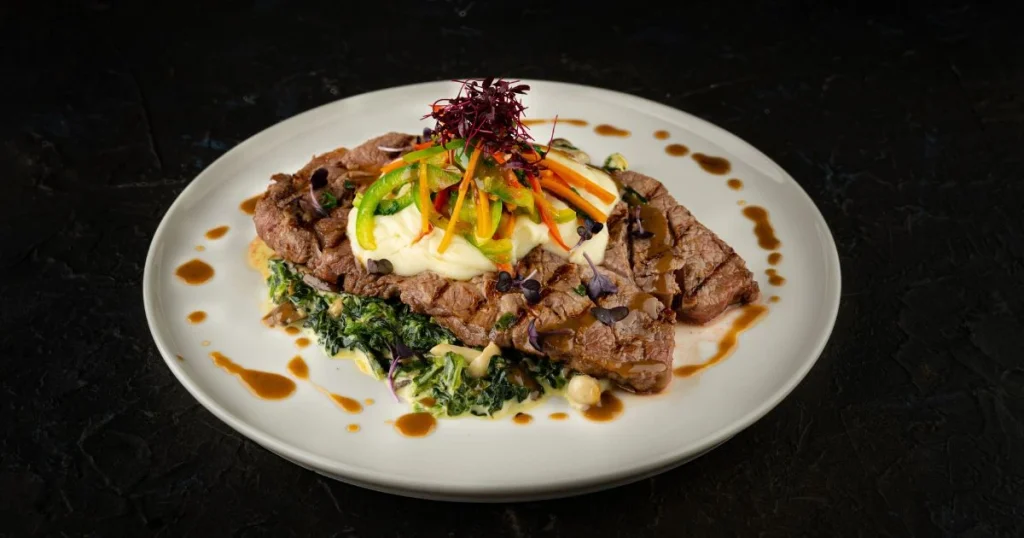
For a classic comfort-food plate, serve your beef shank over creamy mashed potatoes with roasted vegetables and plenty of the braising sauce.
Other Ways to Cook Beef Shank
Oven braising is an excellent choice, but you have other options.
Slow Cooker Beef Shank
Brown the shanks first, then transfer them to your slow cooker with the vegetables, broth, herbs, and other ingredients.
Cook until the meat becomes fork-tender.
The exact cooking time will depend on your slow cooker and the size of the shanks, so use tenderness as your final test.
Instant Pot Beef Shank
A pressure cooker can dramatically shorten the cooking process.
Sear the beef using the sauté function, cook the aromatics, add your liquid, and pressure cook according to your appliance’s instructions and the size of the shanks.
Allow the beef to finish cooking until it is tender rather than relying solely on the programmed time.
Stovetop Beef Shank
You can also braise the shanks on the stovetop in a heavy pot.
Keep the liquid at a gentle simmer, cover the pot, and cook slowly. Check occasionally to make sure the liquid has not reduced too far.
Common Beef Shank Cooking Mistakes
Even a simple braise can go wrong if you rush the process.
1. Skipping the sear
Browning develops flavor and gives your finished dish a more complex taste.
2. Cooking at a hard boil
A gentle braise is preferable to aggressive boiling. Keep the cooking environment calm and steady.
3. Removing the beef too early
If the meat is tough, give it more time. Beef shank often becomes tender quite suddenly after enough collagen has broken down.
4. Letting the pot dry out
Check the liquid during a long cooking session. If necessary, add more warm broth.
5. Under-seasoning the dish
Taste the braising liquid before serving and adjust the seasoning.
How to Store and Reheat Beef Shank
Leftover beef shank can be even more flavorful the following day because the meat has more time to absorb the sauce.
Allow leftovers to cool appropriately and refrigerate them in an airtight container with some of the braising liquid.
When reheating, use gentle heat. A covered saucepan or oven works well. Adding some sauce helps prevent the meat from drying out.
You can also freeze cooked beef shank with its sauce for longer storage. Thaw it safely before reheating.
Always follow current food-safety guidance for refrigeration, freezing, reheating, and leftovers.
FAQ About Beef Shank With Bone
How do you prepare a tender beef shank with bone?
The most reliable method is to season and sear the shank, then slowly braise it in broth and aromatics at moderate heat until the connective tissue breaks down and the meat becomes fork-tender.
How long does beef shank with bone take to cook?
Oven-braised beef shank commonly takes around 2½ to 4 hours, although the exact time varies according to the size of the shank and your cooking temperature. Always check the texture rather than relying only on the clock.
Why is my beef shank still tough after cooking?
Your beef shank may simply need more time. This cut contains substantial connective tissue, so continue cooking it gently in its braising liquid until a fork slides into the meat easily.
Should beef shank be completely covered with liquid?
No. For braising, the liquid generally only needs to partially surround the meat. Keeping the pot covered helps maintain moisture throughout the long cooking process.
Is beef shank with bone good for slow cooking?
Yes. Beef shank is particularly well suited to slow cooking because prolonged, moist heat allows its collagen-rich connective tissue to soften.
Can you cook beef shank with bone in a slow cooker?
Yes. For the best flavor, brown the shanks before adding them to the slow cooker. Then cook them with your vegetables, herbs, and braising liquid until they are fork-tender.
What is the best side dish for beef shank?
Mashed potatoes, polenta, rice, egg noodles, and crusty bread all work particularly well because they can absorb the rich braising sauce.
Final Thoughts
Learning how to prepare a beef shank with bone comes down to one essential lesson: do not rush it.
Sear the meat properly, build a flavorful base with vegetables and aromatics, add enough braising liquid, and let the beef cook gently until it becomes fork-tender. When you give this humble cut enough time, you get deeply flavored meat, a rich sauce, and a comforting meal that can easily become a family favorite.
Now it is your turn. Pick up a few bone-in beef shanks, gather your favorite vegetables and herbs, and give the low-and-slow method a try. Save this recipe, share it with someone who loves hearty home cooking, and make your next dinner a slow-cooked beef shank worth remembering.

