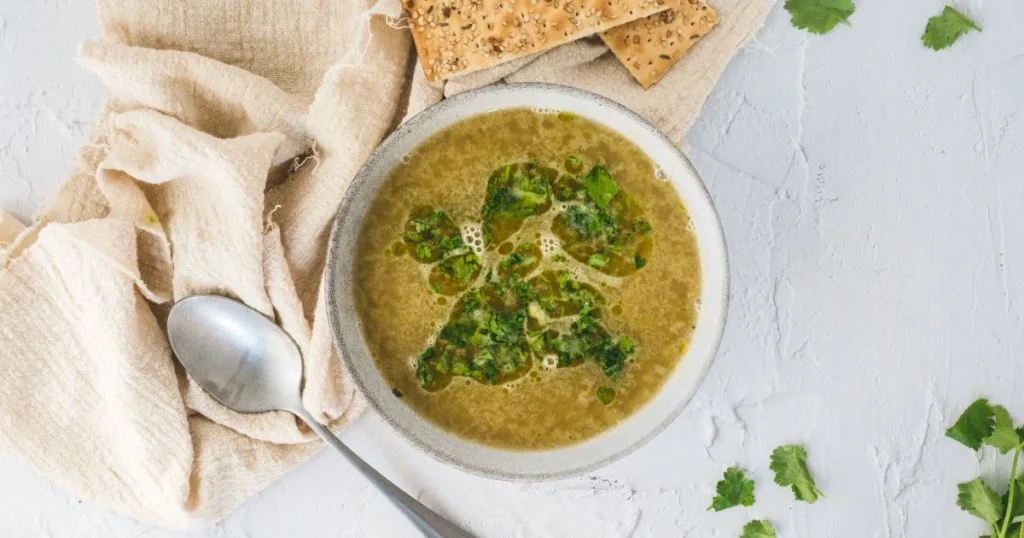
There is something undeniably comforting about wrapping your hands around a warm bowl of soup. Whether you’re embracing a ketogenic lifestyle, reducing carbohydrates, or simply searching for wholesome meal ideas, keto soup can become one of the most satisfying dishes in your kitchen.
Unlike traditional soups that often rely on potatoes, pasta, rice, or flour-based thickeners, keto soup focuses on nutrient-rich ingredients that align with a low-carb eating plan. Creamy textures, savory proteins, fresh vegetables, and healthy fats combine to create meals that are both filling and flavorful.
The best part is that making keto soup at home is surprisingly easy. With a handful of pantry staples and a few fresh ingredients, you can prepare delicious soups that support your wellness goals while delivering comfort in every spoonful.
What Is Keto Soup?

Keto soup is a low-carbohydrate soup designed to fit within the nutritional guidelines of a ketogenic diet. It typically contains high-quality proteins, healthy fats, and low-carb vegetables while avoiding ingredients that contribute excessive carbohydrates.
The ketogenic diet encourages your body to use fat as its primary energy source instead of carbohydrates. Because of this, keto-friendly recipes focus on foods that are naturally low in carbs and rich in nutrients.
A well-balanced keto soup generally includes:
- Protein sources
- Healthy fats
- Low-carb vegetables
- Flavorful herbs and spices
- Keto-friendly thickeners
Unlike many conventional soup recipes, keto soup excludes ingredients such as:
- Potatoes
- Corn
- Rice
- Noodles
- Flour
- Cornstarch
- Beans in large quantities
The result is a nourishing meal that supports ketosis while still feeling indulgent and satisfying.
Why Is Popular Among Low-Carb Eaters
Keto soup has become increasingly popular because it combines convenience, nutrition, and versatility.
Whether you are following a ketogenic lifestyle for weight management, blood sugar control, or overall wellness, soup offers several advantages.
Keeps You Feeling Full Longer
One challenge people face when changing their eating habits is staying satisfied between meals.
Keto soups often contain:
- Healthy fats
- Protein-rich ingredients
- Fiber from vegetables
These nutrients help increase satiety and may reduce unnecessary snacking throughout the day.
Supports a Ketogenic Lifestyle
Many keto recipes require special ingredients or complicated preparation.
Soup simplifies the process.
A single pot can provide:
- Multiple servings
- Balanced nutrition
- Easy portion control
- Meal prep convenience
Excellent for Meal Preparation
Busy schedules make meal planning difficult.
Fortunately, keto soup stores exceptionally well.
You can:
- Refrigerate leftovers
- Freeze portions
- Prepare several meals at once
- Reheat quickly during busy weekdays
Comfort Food Without Excess Carbohydrates
Traditional comfort foods often contain refined carbohydrates.
Keto soup offers the same sense of warmth and satisfaction without disrupting your nutritional goals.
Essential Ingredients
Creating delicious keto soup starts with choosing the right ingredients.
Fortunately, there are countless options available.
Protein Sources
Protein provides structure, flavor, and staying power.
Popular choices include:
Chicken
Chicken is one of the most versatile ingredients available.
It pairs well with:
- Creamy broths
- Herbs
- Cheese
- Vegetables
Rotisserie chicken is also a convenient shortcut.
Ground Beef
Ground beef creates hearty and filling soups.
It works particularly well in:
- Cheeseburger soup
- Taco soup
- Vegetable soup
Turkey
Turkey provides a leaner alternative.
It adds protein while keeping calorie counts lower.
Sausage
Sausage introduces bold flavors and additional fat content.
Italian sausage, smoked sausage, and breakfast sausage all perform well in keto recipes.
Bacon
Bacon contributes:
- Crunch
- Smoky flavor
- Richness
- Extra fat
Many keto enthusiasts consider bacon a staple ingredient.
Seafood
Seafood options include:
- Shrimp
- Salmon
- Crab
- White fish
These ingredients come together to create elegant and nutritious soups.
Low-Carb Vegetables for Keto Soup

Vegetables contribute texture, nutrients, and color.
Choosing low-carb varieties is essential.
Keto-Friendly Vegetables
Excellent options include:
- Cauliflower
- Broccoli
- Mushrooms
- Spinach
- Celery
- Zucchini
- Cabbage
- Kale
- Bell peppers
These vegetables offer vitamins, minerals, and fiber without excessive carbohydrate intake.
Cauliflower as a Potato Substitute
Cauliflower is one of the most useful ingredients in keto cooking.
It provides:
- Creaminess
- Bulk
- Mild flavor
- Low carbohydrate content
Pureed cauliflower also works as a thickening agent.
Healthy Fats for Keto Soup
Fat serves as a cornerstone of ketogenic eating.
Adding healthy fats enhances both texture and satiety.
Common Fat Sources
Include:
- Heavy cream
- Butter
- Coconut cream
- Olive oil
- Avocado oil
- Cream cheese
- Cheese
- Ghee
These ingredients contribute richness while supporting ketogenic macronutrient ratios.
Herbs and Seasonings
Seasonings transform simple ingredients into memorable meals.
Popular additions include:
- Garlic
- Onion powder
- Paprika
- Thyme
- Oregano
- Rosemary
- Black pepper
- Parsley
- Italian seasoning
Fresh herbs can elevate even the simplest soup recipes.
Keto Soup Recipe Ingredients Table
Below is a basic creamy keto soup recipe that serves as an excellent foundation.
Basic Creamy Keto Soup Ingredients
| Ingredient | Quantity |
|---|---|
| Chicken breast | 2 cups |
| Cauliflower florets | 3 cups |
| Chicken broth | 4 cups |
| Heavy cream | 1 cup |
| Cream cheese | 4 ounces |
| Butter | 2 tablespoons |
| Garlic cloves | 3 |
| Spinach | 2 cups |
| Parmesan cheese | ½ cup |
| Salt | To taste |
| Pepper | To taste |
Optional Additions
Consider adding:
- Bacon bits
- Mushrooms
- Green onions
- Jalapeños
- Cheddar cheese
- Fresh parsley
Easy Steps to Make Keto Soup at Home
Preparing homemade keto soup requires only a few simple steps.
Step 1: Prepare Ingredients
Begin by gathering everything you need.
Wash vegetables thoroughly.
Chop ingredients into similar sizes.
This promotes even cooking.
Preparation beforehand saves time later.
Step 2: Cook Your Protein
Heat a large pot over medium heat.
Cook your chosen protein until fully done.
Depending on the recipe, you may:
- Brown ground beef
- Sauté chicken pieces
- Crisp bacon
- Cook sausage
Remove excess grease if desired.
Step 3: Add Aromatics
Garlic and onions build flavor.
Although onions contain some carbohydrates, small amounts can still fit within keto guidelines.
Cook aromatics until fragrant.
Usually this takes about two minutes.
Step 4: Add Vegetables
Introduce low-carb vegetables gradually.
Some vegetables cook faster than others.
For example:
- Mushrooms soften quickly
- Broccoli retains texture
- Spinach wilts rapidly
Adjust cooking times accordingly.
Step 5: Pour in Broth
Broth serves as the base.
Choose:
- Chicken broth
- Beef broth
- Bone broth
- Vegetable broth
Homemade broth often delivers superior flavor.
Allow the soup to simmer gently.
This step encourages ingredients to blend beautifully.
Step 6: Add Creamy Ingredients
Lower the heat slightly.
Stir in:
- Heavy cream
- Cream cheese
- Parmesan cheese
Slow incorporation helps maintain a smooth consistency.
Avoid boiling dairy ingredients aggressively.
High heat may cause separation.
Step 7: Taste and Adjust
Season to your preference.
Consider adding:
- Additional salt
- Pepper
- Herbs
- Garlic powder
- Chili flakes
Personal adjustments make recipes uniquely yours.
Step 8: Garnish and Serve
Presentation matters.
Garnishes enhance visual appeal and flavor.
Try:
- Chopped bacon
- Parmesan cheese
- Green onions
- Fresh parsley
- Cracked black pepper
Serve immediately for the best experience.
Popular Types of Keto Soup
One of the greatest benefits of keto soup is variety.
You never have to eat the same meal repeatedly.
Keto Chicken Soup
Chicken soup remains a timeless favorite.
Benefits include:
- High protein content
- Easy preparation
- Family-friendly appeal
Add spinach, cauliflower, and cream for a luxurious texture.
Keto Cheeseburger Soup
Cheeseburger soup combines familiar flavors with keto principles.
Ingredients often include:
- Ground beef
- Cream cheese
- Cheddar cheese
- Bacon
- Broth
The result is rich, filling, and comforting.
Keto Broccoli Cheese Soup
Broccoli cheese soup is among the most requested keto recipes.
Advantages include:
- Nutrient density
- Fiber content
- Creamy consistency
- Restaurant-quality taste
It works wonderfully for lunch or dinner.
Keto Taco Soup
Mexican-inspired keto soups remain highly popular.
Typical ingredients include:
- Ground beef
- Cream
- Cheese
- Tomatoes
- Spices
Top with avocado for additional healthy fats.
Keto Vegetable Soup
Vegetable-based soups offer freshness and variety.
Excellent vegetables include:
- Cabbage
- Mushrooms
- Spinach
- Zucchini
- Cauliflower
These soups can be surprisingly filling.
Ingredients to Avoid in Keto Soup
Not all soup ingredients align with ketogenic eating.
Certain foods can significantly increase carbohydrate counts.
High-Carb Vegetables
Limit or avoid:
- Potatoes
- Sweet potatoes
- Corn
- Peas
Although nutritious, they contain more carbohydrates.
Traditional Thickening Agents
Common soup thickeners may interfere with ketosis.
Examples include:
- Flour
- Cornstarch
- Roux
- Breadcrumbs
Better Keto Alternatives
Instead, use:
- Cream cheese
- Heavy cream
- Xanthan gum
- Pureed cauliflower
- Cheese
These ingredients maintain texture while keeping carbs low.
Tips for Making the Best Keto Soup
Small details often make a major difference.
Use Quality Broth
Broth forms the foundation of flavor.
Choose:
- Homemade stock
- Bone broth
- Organic broth options
High-quality broth produces richer results.
Balance Protein and Fat
A ketogenic approach emphasizes healthy fats.
Too much lean protein may reduce satiety.
Aim for balance.
Examples include:
- Chicken with cream
- Beef with cheese
- Seafood with butter
Layer Flavors Gradually
Seasoning throughout cooking develops complexity.
Rather than adding everything at once:
- Sauté aromatics first
- Add herbs midway
- Taste frequently
This method creates deeper flavor profiles.
Incorporate Texture
Texture enhances enjoyment.
Combine:
- Creamy bases
- Tender proteins
- Crisp garnishes
Contrast keeps meals interesting.
Keto Soup Meal Prep and Storage Tips
Keto soup is ideal for meal preparation.
Refrigeration
Store soup in airtight containers.
Most recipes stay fresh for:
Three to four days.
Freezing
Many keto soups freeze well.
Storage duration:
Up to three months.
Cream-based soups may separate slightly after thawing.
Stirring thoroughly usually restores consistency.
Portioning
Individual containers make reheating simple.
Meal prep becomes much more manageable.
Health Benefits of Keto Soup
Keto soup offers more than convenience.
It also provides nutritional advantages.
Encourages Reduced Carbohydrate Intake
Lower carbohydrate consumption may help support:
- Stable energy
- Appetite control
- Consistent eating habits
Nutrient-Dense Ingredients
Many keto soups contain:
- Vitamins
- Minerals
- Healthy fats
- Protein
- Antioxidants
Vegetables contribute additional micronutrients.
Hydration Support
Soup naturally contains significant amounts of fluid.
This can support hydration while delivering nourishment.
Warm liquids may also feel particularly comforting during colder seasons.
Frequently Asked Questions About Keto Soup
What is keto soup?
Keto soup is a low-carbohydrate soup made with protein, healthy fats, and keto-friendly vegetables. It is designed to align with ketogenic dietary guidelines.
Is keto soup good for weight loss?
Many people find keto soup beneficial because it is filling, nutrient-dense, and helps control hunger.
What vegetables can you use in keto soup?
Popular vegetables include:
- Cauliflower
- Broccoli
- Spinach
- Mushrooms
- Cabbage
- Celery
- Zucchini
Can keto soup be frozen?
Yes.
Most keto soups freeze well for up to three months.
Store portions in airtight containers for best results.
What thickener works best in keto soup?
Excellent keto-friendly thickening options include:
- Cream cheese
- Heavy cream
- Parmesan cheese
- Xanthan gum
- Pureed cauliflower
How many carbs are in keto soup?
Carbohydrate content depends on ingredients used.
Most keto soups contain between 4 and 10 net carbs per serving.
Conclusion
Keto soup proves that healthy eating does not have to feel restrictive. By combining quality proteins, low-carb vegetables, nourishing fats, and flavorful seasonings, you can create meals that satisfy both your nutritional goals and your cravings.
Whether you prefer creamy chicken soup, hearty cheeseburger soup, broccoli cheese soup, or vegetable-packed creations, there is a keto soup recipe for every taste preference and season.
The beauty of homemade keto soup lies in its flexibility. You control the ingredients, customize flavors, and prepare meals that fit seamlessly into your lifestyle.
Ready to Make Your Own Keto Soup?
Start with a simple recipe, experiment with ingredients you already enjoy, and discover how easy it can be to prepare comforting low-carb meals at home. Once keto soup becomes part of your routine, you’ll always have a delicious, nourishing option waiting whenever you need it.

