
A Slow-Cooked Comfort Food Worth Savoring
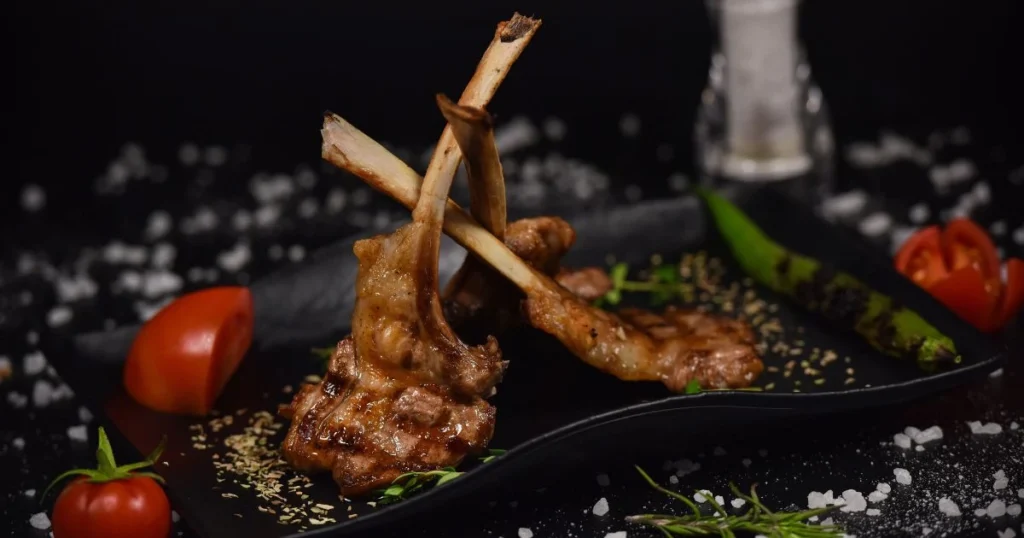
Few meals create anticipation quite like a tray of slow-cooked beef ribs emerging from the oven. The rich aroma of seasoned meat, caramelized edges, and savory juices filling your kitchen instantly signals that something special is about to be served.
Whether you’re preparing a weekend feast, planning a family dinner, or searching for an alternative to outdoor smoking, making beef ribs in oven is one of the easiest ways to achieve juicy, flavorful results at home.
The beauty of oven-baked beef ribs lies in their simplicity. You don’t need expensive equipment, advanced cooking skills, or a professional smoker. With quality ribs, a flavorful seasoning blend, and a little patience, you can create tender meat that rivals your favorite barbecue restaurant.
This guide covers everything you need to know about cooking beef ribs in the oven, including selecting the best cuts, seasoning techniques, cooking methods, side dishes, and expert tips for achieving perfect results every time.
What Are Beef Ribs in Oven?
Beef ribs are one of the most flavorful cuts available because they contain a combination of meat, fat, and connective tissue that becomes incredibly tender during slow cooking.
Unlike pork ribs, beef ribs are larger, richer, and often have a deeper beef flavor.
Types of Beef Ribs
Several cuts are commonly available.
Back Ribs
Back ribs come from the upper section of the rib primal.
Characteristics include:
- Long bones
- Moderate meat content
- Rich beef flavor
- Excellent for oven roasting
Short Ribs
Short ribs contain generous amounts of meat.
They are known for:
- Exceptional tenderness
- Heavy marbling
- Rich texture
- Deep flavor
Short ribs are commonly braised but also perform well in the oven.
Plate Ribs
Plate ribs are sometimes called dinosaur ribs.
They feature:
- Thick meat layers
- Intense marbling
- Impressive presentation
- Restaurant-quality appearance
Chuck Ribs
Chuck ribs come from the shoulder region.
Advantages include:
- Affordable pricing
- Good meat-to-bone ratio
- Robust flavor
Why Cooking Beef Ribs in Oven Works So Well
Although smokers and grills often receive the spotlight, ovens provide several unique advantages.
Consistent Temperature Control
Ovens maintain steady temperatures throughout cooking.
This consistency helps:
- Prevent overcooking
- Retain moisture
- Improve tenderness
- Ensure even cooking
No Specialized Equipment Needed
One of the biggest benefits of cooking beef ribs in oven is accessibility.
You only need:
- Baking sheet
- Aluminum foil
- Oven-safe pan
- Meat thermometer
This makes oven-baked ribs practical year-round.
Excellent Moisture Retention
Covering ribs with foil traps steam.
This process helps break down connective tissues slowly.
The result is tender meat that pulls easily from the bone.
Beginner-Friendly Technique
If you have never cooked ribs before, the oven provides a forgiving cooking environment.
Unlike grilling, there is less risk of:
- Flare-ups
- Uneven heat
- Burning
- Excessive drying
Choosing the Best Beef Ribs for Oven Cooking
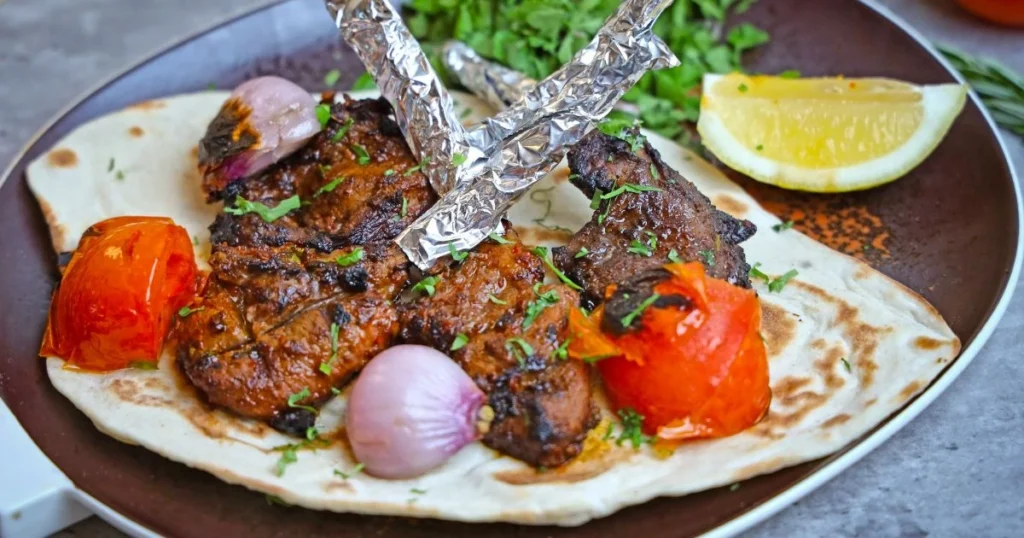
Selecting quality meat plays a major role in your final results.
Look for Marbling
Marbling refers to small streaks of fat distributed throughout the meat.
Fat contributes to:
- Flavor
- Moisture
- Tenderness
Well-marbled ribs typically produce superior results.
Check Meat Thickness
Choose ribs with substantial meat coverage.
Avoid packages with excessive exposed bone.
Thicker cuts remain juicier during long cooking periods.
Consider Freshness
Fresh beef should appear:
- Bright red
- Moist
- Firm
- Free from unpleasant odors
Fresh ribs often provide better texture.
Fresh Versus Frozen Beef Ribs
Both options work well.
Fresh ribs offer convenience.
Frozen ribs provide flexibility for long-term storage.
Always thaw frozen ribs completely before cooking.
Ingredients Needed for Tender Oven-Baked Beef Ribs
Outstanding ribs begin with quality ingredients.
Fortunately, most seasonings are pantry staples.
Core Ingredients
Beef Ribs
The foundation of the recipe.
Approximately four pounds serves four to six people comfortably.
Olive Oil
Oil helps seasonings adhere to the surface.
It also promotes browning.
Salt
Salt enhances natural beef flavor.
Kosher salt works particularly well.
Black Pepper
Freshly ground pepper provides warmth and complexity.
Garlic Powder
Garlic powder contributes savory depth.
Onion Powder
Onion powder complements garlic beautifully.
Smoked Paprika
Paprika introduces subtle smokiness.
It creates barbecue-inspired flavor without a smoker.
Optional Marinade Ingredients
Marinades can enhance tenderness and flavor.
Popular additions include:
- Worcestershire sauce
- Soy sauce
- Dijon mustard
- Honey
- Brown sugar
- Apple cider vinegar
These ingredients balance sweet, tangy, and savory notes.
Beef Ribs in Oven Recipe Ingredients Table
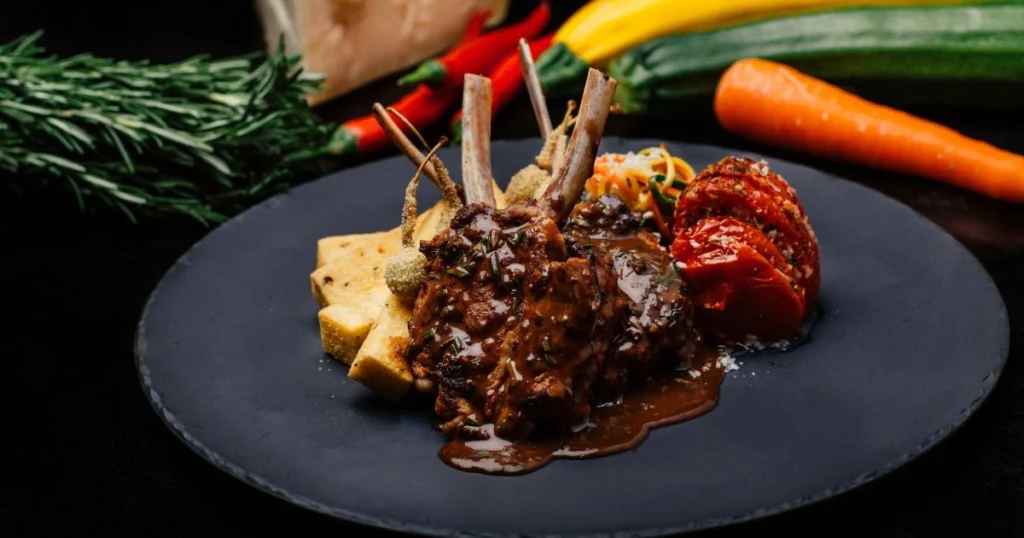
Complete Ingredient List
| Ingredient | Quantity |
|---|---|
| Beef ribs | 4 pounds |
| Olive oil | 2 tablespoons |
| Salt | 2 teaspoons |
| Black pepper | 1 teaspoon |
| Garlic powder | 1 teaspoon |
| Onion powder | 1 teaspoon |
| Smoked paprika | 1 teaspoon |
| Brown sugar | 2 tablespoons |
| Worcestershire sauce | 2 tablespoons |
| Apple cider vinegar | 1 tablespoon |
| Barbecue sauce | 1 cup |
Optional Flavor Enhancers
Consider adding:
- Cayenne pepper
- Chili powder
- Cumin
- Liquid smoke
- Crushed red pepper flakes
How to Prepare Beef Ribs in Oven
Preparation influences both flavor and texture.
Taking a few extra minutes before cooking makes a noticeable difference.
Step 1 – Remove the Membrane
Most ribs contain a thin membrane on the underside.
Removing it improves tenderness.
How to Remove It
- Slide a knife beneath the membrane.
- Loosen one corner.
- Grip with paper towels.
- Pull firmly until removed.
Benefits include:
- Better seasoning penetration
- Improved texture
- Easier eating
Step 2 – Pat Dry
Dry surfaces brown more effectively.
Use paper towels to remove excess moisture.
This encourages caramelization.
Step 3 – Apply Oil
Lightly coat ribs with olive oil.
Oil acts as a binder for spices.
Step 4 – Season Generously
Combine:
- Salt
- Pepper
- Garlic powder
- Onion powder
- Paprika
- Brown sugar
Massage seasoning thoroughly into the meat.
Allow ribs to rest for thirty minutes before cooking.
For even deeper flavor, refrigerate overnight.
How to Cook Beef Ribs in Oven
The secret to tender beef ribs lies in patience.
Low temperatures and longer cooking times produce the best results.
Step 1 – Preheat the Oven
Set your oven to:
This low temperature gradually breaks down connective tissues.
Step 2 – Wrap the Ribs
Place ribs on a baking tray.
Cover tightly with aluminum foil.
The foil creates a moist cooking environment.
Steam generated inside the packet helps soften collagen.
Step 3 – Bake Slowly
Cook ribs for approximately:
- 3½ hours for smaller cuts
- 4 hours for thicker ribs
- Up to 5 hours for large plate ribs
Check tenderness periodically.
Properly cooked ribs should feel soft when pierced with a fork.
How to Make Flavorful, Tender beef ribs at Home
Step 4 – Add Sauce and Caramelize
Once the ribs become tender, carefully remove the foil.
Brush your favorite barbecue sauce generously over the meat.
Increase the oven temperature to 425°F (220°C).
Place the ribs back in the oven, uncovered, for 10–15 minutes
This final stage creates:
- A glossy finish
- Slightly crisp edges
- Rich caramelized flavor
- A classic barbecue appearance
You can repeat the brushing process once more if you prefer a thicker coating of sauce.
Step 5 – Rest Before Serving
Allow the ribs to rest for 10 minutes after removing them from the oven.
Resting helps:
- Redistribute juices
- Maintain moisture
- Improve texture
- Enhance flavor
Cut between the bones and serve immediately.
Best Seasonings for Beef Ribs in Oven
Seasoning plays a significant role in developing the rich taste people expect from slow-cooked beef ribs.
Classic Dry Rub
A traditional dry rub creates bold flavor without overpowering the natural beef taste.
Ingredients
- 2 teaspoons kosher salt
- 1 teaspoon black pepper
- 1 teaspoon smoked paprika
- 1 teaspoon garlic powder
- 1 teaspoon onion powder
- 1 tablespoon brown sugar
This combination delivers a balance of:
- Sweetness
- Savory depth
- Mild smokiness
- Slight caramelization
Spicy Beef Rib Rub
If you enjoy heat, consider adding:
| Ingredient | Quantity |
|---|---|
| Cayenne pepper | ½ teaspoon |
| Chili powder | 1 teaspoon |
| Red pepper flakes | ½ teaspoon |
| Smoked paprika | 1 teaspoon |
This blend provides a pleasant kick while maintaining the beef’s natural richness.
Herb-Based Rib Seasoning
For a fresher profile, include:
- Rosemary
- Thyme
- Oregano
- Parsley
- Cracked pepper
These herbs pair especially well with garlic butter sauces.
Perfect Side Dishes for Oven-Baked Beef Ribs
Beef ribs deserve side dishes that complement their bold flavor.
Fortunately, there are countless options.
Vegetable Side Dishes for beef ribs
Vegetables add freshness and balance.
Popular choices include:
Roasted Brussels Sprouts
Their slight bitterness contrasts beautifully with sweet barbecue sauce.
Green Beans
Simple and nutritious.
Easy to prepare alongside ribs.
Corn on the Cob
A barbecue favorite.
Adds sweetness and texture.
Roasted Carrots
Natural sugars become concentrated during roasting.
Excellent with savory meats.
Potato Dishes
Potatoes remain one of the most traditional rib accompaniments.
Options include:
- Creamy mashed potatoes
- Baked potatoes
- Garlic roasted potatoes
- Potato wedges
- Loaded potato casserole
Rice Dishes
Rice absorbs juices exceptionally well.
Consider:
- Rice pilaf
- Garlic butter rice
- Wild rice blend
- Herbed rice
Fresh Salads
Salads provide balance.
Try:
- Coleslaw
- Garden salad
- Cucumber salad
- Potato salad
- Broccoli salad
Different Ways to Prepare Beef Ribs in the Oven
One advantage of cooking beef ribs in the oven is versatility.
You can create entirely different meals by adjusting seasonings and sauces.
BBQ Beef Ribs
Classic barbecue remains one of the most requested versions.
Characteristics include:
- Sticky glaze
- Sweet flavor
- Smoky undertones
- Rich caramelization
Best ingredients include:
- Brown sugar
- Worcestershire sauce
- Barbecue sauce
- Smoked paprika
Garlic Butter Beef Ribs
Garlic butter ribs offer a luxurious alternative.
Garlic Butter Sauce Ingredients
| Ingredient | Quantity |
|---|---|
| Butter | ½ cup |
| Garlic cloves | 5 |
| Parsley | 2 tablespoons |
| Lemon juice | 1 tablespoon |
Brush over cooked ribs for an indulgent finish.
Asian-Inspired Beef Ribs
For something different, consider Asian flavors.
Combine:
- Soy sauce
- Ginger
- Sesame oil
- Honey
- Garlic
- Rice vinegar
The result is savory, sweet, and slightly tangy.
Tips for Tender Beef Ribs in Oven
Small details often determine whether ribs are simply good or truly memorable.
Cook Low and Slow
Collagen requires time to break down.
High temperatures may toughen meat.
Lower temperatures create:
- Tender texture
- Better moisture retention
- Richer flavor
Keep the Ribs Covered
Foil acts like a miniature steam chamber.
Benefits include:
- Juicier meat
- Reduced drying
- Improved tenderness
Only uncover ribs near the end of cooking.
Use a Meat Thermometer
Although tenderness matters more than temperature, internal readings still help.
Aim for approximately:
200°F–205°F
At this stage, connective tissues become soft.
Let the Meat Rest
Resting prevents juices from escaping immediately.
Ten minutes can make a noticeable difference.
Apply Sauce at the End
Sugar-rich sauces burn quickly.
Adding sauce during the final minutes creates better texture.
Common Mistakes to Avoid
Even experienced cooks occasionally overlook important details.
Avoid these common issues.
Cooking Too Fast
Rushing the process usually leads to:
- Tough meat
- Dry texture
- Less developed flavor
Patience remains essential.
Forgetting the Membrane
Leaving the membrane attached can create a chewy texture.
Removing it helps improve tenderness.
Underseasoning
Beef benefits from generous seasoning.
Do not be afraid to apply sufficient spices.
Skipping the Resting Period
Slicing too soon after cooking can cause the juices to run out.
Allowing ribs to rest keeps them moist.
Overcooking During Caramelization
Broiling or high heat can quickly burn sauce.
Monitor carefully during the final stage.
Storage and Reheating beef ribs Tips
Beef ribs store surprisingly well.
Many people believe they taste even better the following day.
Refrigeration Guidelines
| Storage Method | Duration |
|---|---|
| Refrigerator | 3–4 days |
| Freezer | Up to 3 months |
| Vacuum sealed | Extended freshness |
Always cool ribs before storing.
Place them in airtight containers.
Freezing Tips
Wrap ribs tightly.
Use freezer-safe bags.
Label with the preparation date.
Reheating beef ribs Methods
Oven Method
Preheat oven to:
300°F
Wrap ribs in foil.
Heat for approximately 20 minutes.
Microwave Method
Best for quick meals.
Cover loosely to preserve moisture.
Air Fryer
Excellent for restoring crisp edges.
Heat for several minutes at medium temperature.
Frequently Asked Questions
How long should beef ribs cook in oven?
Cooking times vary depending on thickness.
Generally:
- Small ribs: 3–3½ hours
- Medium ribs: 4 hours
- Large plate ribs: 4–5 hours
Low temperatures produce the best results.
What temperature is best beef ribs in oven?
Most cooks recommend:
275°F
This temperature encourages collagen breakdown while maintaining moisture.
Should beef ribs be covered while baking?
Yes.
Covering ribs with foil helps trap steam.
This process keeps meat juicy and tender.
Can beef ribs in oven be made ahead of time?
Absolutely.
Cook them one day in advance.
Reheat gently before serving.
Many cooks find flavors deepen overnight.
What is the best seasoning ?
A balanced dry rub works best.
Include:
- Salt
- Pepper
- Garlic powder
- Onion powder
- Paprika
- Brown sugar
You can customize according to personal taste.
How do you know when beef ribs done?
Tenderness is the best indicator.
A fork should slide easily into the meat.
The meat should pull back slightly from the bones.
Internal temperatures near 200°F generally indicate readiness.
Conclusion
Learning how to make flavorful beef ribs in oven allows you to enjoy restaurant-quality results without specialized equipment. The combination of low-temperature cooking, generous seasoning, and patient preparation transforms a simple cut of meat into an unforgettable meal.
Whether you prefer classic barbecue ribs, garlic butter variations, or bold international flavors, oven-baked beef ribs offer endless possibilities. They are ideal for family dinners, holiday gatherings, meal prep, or simply satisfying your craving for hearty comfort food.
By following the techniques outlined in this guide, you can consistently produce tender, juicy ribs that impress guests and become a staple in your cooking rotation.
Ready to Make Beef Ribs in Oven?
Gather your ingredients, choose your favorite seasoning blend, and let your oven do the work. Once you experience how easy it is to create tender, flavorful beef ribs at home, you’ll discover why this recipe deserves a permanent place in your collection.
Try this recipe today, experiment with your favorite sauces, and share your results with family and friends. Your next memorable homemade meal might just start with a tray of perfectly cooked beef ribs fresh from the oven.

